




- ஈ.பி.டி.பி. மீதான நடவடிக்கைகள் வரவேற்கவேண்டியவை - டக்ளஸ் தேவானந்தா!
- பரோட்டா, முட்டை ரொட்டி உட்பட சிற்றுண்டிகளின் விலைகள் அதிகரிப்பு
- ஹேக்கர்களின் பிடியில் ஸ்ரீலங்கன் ஏர்லைன்ஸ்?
- ஓய்வூதிய முரண்பாடுகளுக்கு தீர்வு வேண்டும்; ஓய்வுபெற்றோர் அமைப்பினர் போராட்டம்
- ஆயுர்வேத சட்டத் திருத்தத்திற்கு அமைச்சரவை அங்கீகாரம்
- பாலர் கல்வியின் தரத்தை உயர்த்த ஆசிரியர்களுக்கு விசேட பயிற்சி - பிரதி அமைச்சர் சதுரங்க அபேசிங்க
- செம்மணிப் புதைகுழியின் பின்னணியில் தொற்றுநோய் அல்லது இயற்கைப் பேரழிவு : பேராசிரியர் ராஜ் சோமதேவ அறிக்கை

- உக்ரைனுக்கு மேலும் உதவி வழங்குவதில் பல்கேரியா மற்றும் போலந்து பின்வாங்கல்.
- ஒரு தலைமுறை கனேடியர்களுக்கு புகைபிடித்தல் மற்றும் வேப்பிங் (Vaping) செய்வதைத் தடைசெய்ய்க் கோரிக்கை
- கனடாவில் இருந்து அல்பேர்ட்டா பிரியாது தொடர்ந்து இணைந்து இருக்க வேண்டும் என 75 சத வீத மக்கள் தீர்ப்பு!
- ஹோர்முஸ் நீரிணை: இணையக் கேபிள்களை இலக்கு வைப்போம் - ஈரான் எச்சரிக்கை
- 'இறந்த குட்டி யானையை சுமந்து சென்ற பெண் யானை!' - மனதை உலுக்கும் செய்தி
- விரைவில் முஸ்லிம் நகரமாக மாறப் போகும் பாரிஸ் – ட்ரம்ப் கவலை!
- மரண வதந்திக்கு மத்தியில் கிம் யொங் உன்னின் புகைப்படங்கள்!

- செஞ்சியில் காணாமல் போன 6 வயது சிறுமி எங்கே?
- தமிழ்நாட்டில் குள்ளநரி அரிதாவதே மயில்கள் 6 மடங்கு அதிகரிக்க காரணமா? நிபுணர்கள் விளக்கம்
- சென்னையில் பழைய வானிலை ரேடார் தரவுகள் நம்பகமானவையா? மாற்றும் ஏற்பாடுகள் என்ன?
- இலங்கைக்கு போதைப்பொருள் கடத்தல் திட்டம்; தமிழக வெற்றிக் கழக (TVK) நிர்வாகி கைது!
- 25 தமிழக மீனவர்கள் மாலைதீவு கடலோரக் காவல்படையினரால் கைது!
- 'சென்னைக்கு கூடுதல் நீர், கோதாவரி - காவிரி இணைப்பு' - விஜயின் ஆந்திரப் பயணம் பலனளிக்குமா?
- அனோஜனின் மரண தண்டனை விவகாரம்: தமிழகத்தில் வலுக்கும் ஆதரவு
- அமெரிக்க வரிகள் (Tariff) நிரந்தரமாகும் என எண்ணி கனடா திட்டமிட வேண்டும் - ஒன்ராரியோ முதல்வர் டக் ஃபோர்டு
- OSAP இடைநிறுத்தத்தைத் தொடர்ந்து ஒன்டாரியோ தொழிற்கல்லூரி தனது செயல்பாடுகளை இடைநிறுத்தியுள்ளது
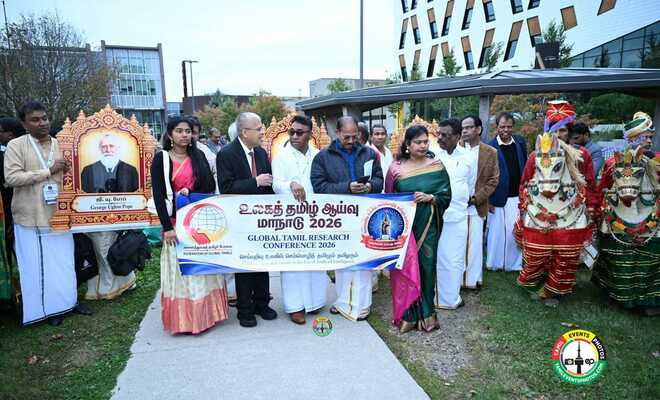
- "செய்திறன் உலகில் செம்மொழித் தமிழும் தமிழரும்" : உலகத் தமிழ் ஆய்வு மாநாடு
- மனநலம், போதைப்பழக்கம், வீட்டுப் பராமரிப்பு சேவைகளுக்கான நிதியை ஒட்டாவா நீட்டிக்கிறது
- ஈழத்துச் சகோதரிகள் தமிழ்நாட்டில் புரிந்த சாதனை
- பிராம்ப்டன் மகிழ்ச்சி குறியீட்டில் முன்னேற்றம், மிசிசாகா அந்த அளவுக்கு இல்லை கருத்துக் கணிப்பு
- ‘தீவாளி’ என்பதற்குப் பதிலாக ‘தீபாவளி’ எனப் பயன்படுத்த வேண்டும் – டத்தோ ஸ்ரீ எம். சரவணன் வலியுறுத்து

- சுமார் 1500 கடைகள் சூறை: மாணவர் போராட்டத்தில் வன்முறை! - பிரான்சில் என்ன நடக்கிறது?
- நவிப்பிள்ளை அம்மையார் ஈழத்தமிழர்களோடு நிற்பாரா? - நிலாந்தன்
- அஞ்சலி: ஜோதிலிங்கம் - நிலாந்தன்
- ஜெம் வீரமணி வழக்கு: விலகும் திரை முடிவடையாக் கேள்விகள்
- உலக நீதிக்கான ஒரு வெற்றி – நவி பிள்ளையின் நோபல் அமைதிப் பரிசு!
- இலங்கையில் மகிந்த ராஜபக்ஸ, அவரது மனைவி இருவரும் திடீரென மருத்துவமனையில் அனுமதி
- பயங்கரவாதத் தடைச்சட்டத்தின் புதிய வேர்ஸனும் உள்நாடு விசாரணைப் பொறி முறையும் -நிலாந்தன்.

- இளவயதில் அதிகரிக்கும் திடீர் மாரடைப்பு மரணங்கள்: உண்மையான காரணம் என்ன? நாம் பேசத் தயங்கும் மறுபக்கமும் உண்டா?
- நான்காம் கட்ட சினைப்பைப் புற்றுநோயிலிருந்து மீண்ட பிரிட்டனின் செவிலியர் - HIPEC நவீன சிகிச்சை
- சாப்பிட்டவுடன் ரத்த சர்க்கரை அதிகரிப்பதால் எந்தத் தீங்கும் இல்லையா? நிபுணர்கள் கூறுவது என்ன?
- கொசுவர்த்தி சுருளில் மறைந்துள்ள ஆபத்து - கொசு விரட்ட பாதுகாப்பான சிறந்த வழி எது?
- செய்தித்தாளில் வைத்த வடை, போண்டாவை சாப்பிடுவதால் கர்ப்பிணி, குழந்தைகளுக்கு என்ன ஆபத்து?
- கொழுப்பு என்றாலே கெட்டது அல்ல: உடலுக்கு அது செய்யும் 'ஆச்சரியமான' நன்மைகள் என்ன? 4 கேள்வி - பதில்
- அதிக பாராசிட்டமால் பாவனையால் செயலிழந்த ஈரல் உள்ளிட்ட உறுப்புகள்! சிகிச்சையின் பின் மாணவருக்கு என்ன நடந்தது?

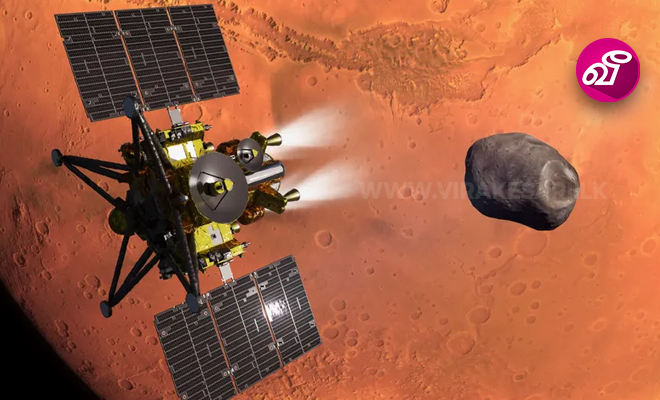
- செவ்வாயின் நிலவுகளில் தரையிறங்க ஜப்பான் புதிய முயற்சி
- புவி ஈர்ப்பு விசையை எதிர்த்துப் பறக்கும் கார்! - எலான் மஸ்க்கின் வியக்க வைக்கும் சாதனை.
- புளோரிடா வானில் தோன்றிய ‘ஸ்பேஸ் ஜெல்லி மீன்’ ஒளிரும் காட்சி
- பூமியைத் தாக்கிய சக்திவாய்ந்த சூரியப் புயல்: ஐரோப்பா, வட அமெரிக்காவில் துருவ ஒளிகள்
- 10 பில்லியன் ஆண்டுகள் பழமையான வானொலி வெடிப்பைக் கண்டறிந்த ஆய்வுக் குழு!
- மின்கம்பிகளில் பாம்பு போல் ஊர்ந்து செல்லும் ரொபோ; மின் தடை கோளாறுகளை கண்டறிய சீனாவில் புதிய கண்டுபிடிப்பு
- தொலைதூர தீவில் கண்ணுக்கு தெரியாத போருக்கு தயாராகும் ஜிபிஎஸ் ஹேக்கர்கள்
- அனாதை மரங்கள்!…. ( சிறுகதை ) …. கிறிஸ்டி நல்லரெத்தினம்.
- சிறு கதை - 224 / "வேலி உடைத்த வாடா வன்னிமலர்" (The Unfading Vanni Flower that Broke the Fences) / பகுதி: 01
- குழலினிது
- இரண்டு மணித்தியாலங்கள் - சரவணபவன் ஆதவன்
- திறக்கப்படாத கடிதங்களின் தேசம்
- அடி மண்டி : ஜே.கே
- ஆண்டன் செகாவின் ‘நாயுடன் தோன்றும் பெண்’ சிறுகதை | ஆங்கிலத்திலிருந்து தமிழில்: தங்கேஸ்

- அறிவின் விடியல் (சரஸ்வதி பூசைச் சிந்தனை)]
- வழி விடுங்கள், வழி கிடைக்கும்
- அனிருத், சாய் அபயங்கர்… ஜென் ஸீயைப் புரிந்துகொள்வது எப்படி?
- டிப்ஸ் கொடுப்பதா… அல்லது டிப்ஸ் கேட்கப்படுகிறதா?
- போலி அறிவியலிடம் அடிபணியக் கூடாது!
- வயது அதிகரிப்பதற்காக அவசரப்பட்டு திருமணம் செய்யக் கூடாது: சச்சின் டெண்டுல்கரின் மகள் சாரா கருத்து!
- உங்கள் குடும்பம் எப்படி?
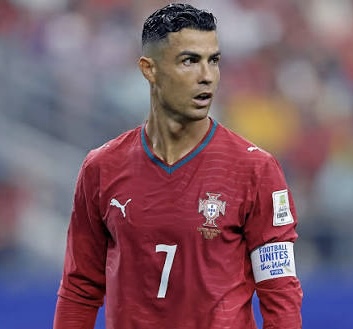
- கிறிஸ்டியானோ ரொனால்டோவுக்கு கிடைத்த சின்னத் தண்டனை
- இந்திய மேற்கிந்தியத் தீவுகள் கிரிக்கெட் தொடர்
- மழையிலும் பயிற்சி… மனதில் ஒரே இலக்கு! தேசிய மேடையில் சாதித்துக் காட்டிய சிங்கப்பெண்கள்
- மன்னாரில் சிறப்பாக இடம்பெற்ற மாற்றுத்திறனாளிகளுக்கான தடகள விளையாட்டுப் போட்டி
- 2026 ஆம் ஆண்டுக்கான TAEKWONDO (ரெக்வொண்டோ) போட்டியில் மன்னார் மாணவர்கள் இருவர் வெள்ளிப்பதக்கத்தை தனதாக்கினர்
- உலகின் இளம் பெண் கிராண்ட்மாஸ்டர் - 11 வயதில் வரலாறு படைத்த போதனா சிவானந்தன்
- அதிவேகமாக 15,000 ஓட்டங்களை கடந்து விராட் கோலி புதிய உலக சாதனை!

- இந்திய அமைதிப் படையின் கொடூரம்.
- தமிழீழப் பாடலில் இஸ்லாமிய முழக்கமான "அல்லாகு அக்பர்" இடம்பெற்றுள்ள பாடல்
- சிறு நாடகம் - 02 / 'எங்கட ஊருக்கென்னதான் நடந்தது?'
- சிறு நாடகம் - 01 / 'விடியுமா? இல்லாட்டி விடியக் கங்குல காகம் கத்துமா?'
- போரின் இறுதி நாட்களில் நடந்தது என்ன ? - மருத்துவப் பொறுப்பாளர் ரேகாவின் மனைவியின் முகநூல் பதிவு
- நல்லூர் திருவிழா கடைகள் இத்தனை லட்சங்களா? | வியாபாரிகளிடம் நேரடியாக கேட்டோம்.
- விநாயகர் சதுர்த்தி / Vinayagar Chaturthi
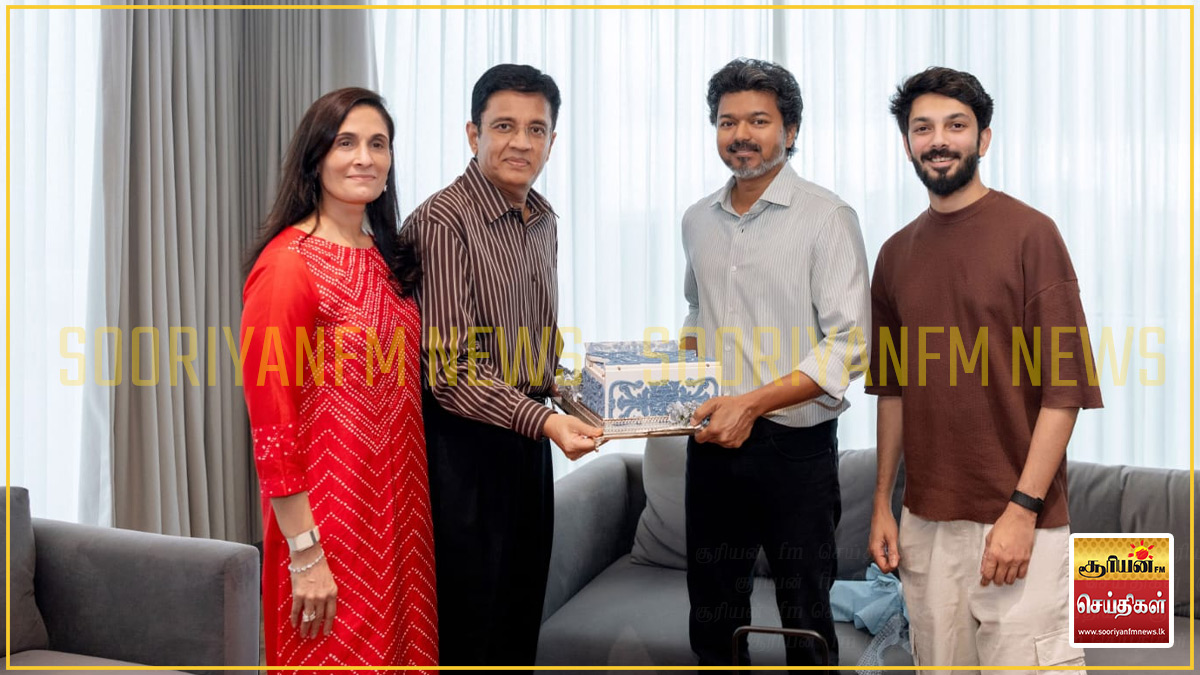
- அனிருத் – காவ்யா மாறன் திருமணம்: தமிழக முதலமைச்சர் விஜய்க்கு நேரில் அழைப்பு!
- ‘ஜெயிலர் 2’ விமர்சனம்: மீண்டும் கர்ஜித்தாரா ‘டைகர்’ முத்துவேல் பாண்டியன்?
- ஜேசன் சஞ்சய் இயக்குநராக ஜெயித்தாரா? 'சிக்மா' படம் பற்றிய ஊடக விமர்சனம்
- பத்தா: விமர்சனம் - இயல்பாய் ஈர்த்து மனிதம் பேசும் ஓர் அரிய படைப்பு!
- கார்த்திக் சுப்புராஜ் இயக்கிய 'டோரதி' திரைப்படம் மீது சமூக ஊடகங்களில் கடும் விமர்சனம் ஏன்?
- ஆஸ்திரேலியாவில் இளையராஜாவுக்கு தபால் தலை வெளியீடு
- 72வது தேசிய திரைப்பட விருதுகள்: ராயன் முதல் அமரன் வரை… தமிழ் சினிமாவுக்கு குவிந்த விருதுகள்!

- அழகுக்கான சான்றாக விளங்கிய பெண்ணுறுப்பு 'அவமானத்தின்' குறியீடாக மாறியது எப்படி?
- சிறு கதை - 222 / கருப்பு ஜூலை – ஒரு சாட்சியின் நினைவுகள் [ஒன்பது பகுதிகள்]
- விசேட தேவையுடைய பிள்ளைகளுக்கு சமமான வாய்ப்பு
- 'எனக்கு இந்த வலி, வேதனை ஏன்?': கூட்டு பாலியல் வன்கொடுமைக்கு ஆளான 15 வயது சிறுமி குமுறல்
- பாலியல் வன்முறை எனும் விதிவிலக்கின் மொழி
- மாதவிடாய் பற்றி பிள்ளைகளிடம் பெற்றோர் பேசுவது அவசியம்
- முத்தமிட ஏற்ற இடம் எது? - கலவி மொழி கற்போம்
Featured Content
-
போரின் இறுதி நாட்களில் நடந்தது என்ன ? - மருத்துவப் பொறுப்பாளர் ரேகாவின் மனைவியின் முகநூல் பதிவு
நான் எழுதி வைத்துள்ள துயர் மிகுந்த எனது வலிகளில் எனது கணவரின் பிரிவு. போரின் இறுதி நாட்களில் நடந்தது என்ன ? ? எனது கணவரின் இறப்பு ஏன் உருவாகியது? எனது கணவர் எங்கே? தலைவரின் இறுதிக்கணங்கள் என்ன? என்கின்ற விடயத்தை இங்கே பதிவு செய்து கொள்கிறேன். கடந்த காலங்களில் எனது நாட்டு நிலைமை ,சூழல் ,எனது குழந்தைகளின் கல்வி என்பன முழுமையாக அனைத்தையும் ஒளிவுமறைவின்றி பகிர தடையாக இருந்தது. இருந்தும் சிலவற்றை விழிப்புணர்வுக்காக பதிவிட்டேன். இறுதியுத்தம் நெருங்கிவிட்டது. நாலாபக்கமும் இராணுவம் எம்மை சூழ்ந்துவிட்டது. நாம் செய்வதறியாது நின்றோம். மே 14 இற்கு பின்னர் மிக இக்கட்டான காலப்பகுதி அது. அப்போது அனைத்து வழிகளிலும் ஒரு குறுகிய பிரதேசத்தையாவது கட்டுப்பாட்டில் வைத்திருப்பதற்கான முயற்சி நடைபெற்றது. முடியவில்லை. ஒரு எல்லைகளுக்குள் சிக்கி கொண்டோம். அப்போது அந்த நந்திக்கடலினூடாக புதுக்குடியிருப்பு காட்டுக்குள் செல்வதற்காக வைத்தியர்களும் மருத்துவ தேவைகளும் ஒழுங்குபடுத்தப்பட்டது. அப்போது வைத்தியர்களான சுஜந்தன் , மலரவன் அண்ணா, பிரியவதனா அக்கா மூவரும் செல்வதற்கு ஆயத்தமானார்கள் ஆனால் அது தோல்வியில் முடிவடைந்தது. அந்த இறுதிக்காலப்பகுதியில் பலர் எனது கணவரைச்சுற்றி சூழ்ந்து கொள்கிறார்கள் ஏனெனில் தாம் என்ன முடிவு எடுப்பது என அறிய முடியாத நிலையில் அனைவரும் இருந்தனர். அதில் சிலர் நந்திக்கடலினூடாக செல்லும் பயண முயற்சியையும் தவறாக புரிந்து கொண்டனர் .தம்மை விட்டு விட்டு குறிப்பிட்ட சிலர் செல்வது நியாயமா எனக்கேட்டனர். கப்பலில் ஏறி வேறிடததிற்கு தப்பிச்செல்லும் விடயமாகவும் என் கணவரிடம் வந்து கேட்டனர். அதில் பல முக்கிய நிலைகளில் இருந்தவர்களும் அவ்வாறு எனது கணவரிடம் வந்து கேட்டனர். எனது கணவர் அனைத்துவிடயங்களையும் அனைவரிடமும் பகிர்ந்து கொள்ளமுடியாது என்பதே அமைப்பின் சில வரையறைகள் என்பதாக இருந்தது. என்பது அனைவரும் அறிந்த விடயம் அதனால் மௌனிக்கும் நிலை உருவாகியது. செஞ்சோலை ஜெனனி அக்காவிடமும் அவ்வாறான விடயத்தை யாரே சொல்லிவிட்டனர். அதனால் ஜெனனி அக்கா மருத்துவ மகளிர் பொறுப்பான அருந்தா அக்காவையும் அழைத்துக்கொண்டு ரேகாவிடம் வந்து விட்டா. எனது பயணம் மதியுடன் பல்கலைக்கழகத்தில் ஆரம்பித்தது. எல்லோரும் எங்கேயோ போய்விட்டதாக சொல்கின்றனர். எனக்கு மதியை சந்திக்க முடியவில்லை ரேகா .என்ன செய்வது. நான் மதியை சந்திக்கவேண்டும் . என்னை மதியிடம் அழைத்துச்செல்லுங்கள் எனக்கேட்கின்றா. அப்போது ஜெனனி அக்காவிடம் நிலைமையை தெளிவுபடுத்துகிறார்ரேகா. அவர்கள் எங்கும் போகவில்லை நீங்கள் செஞ்சோலை பிள்ளைகளை விட்டு எவ்வாறு காட்டுக்குள் செல்லமுடியும் என ஜெனனி அக்காவிடம் ரேகா கேட்கிறார். ஆனால் ஜெனனி அக்கா வாழ்ந்தாலும் இறந்தாலும் மதியுடன் தான் என அடம்பிடித்தபடி நிற்க ரேகா அக்காவை தான் இன்னமும் சந்திககவில்லை . சந்திக்கும்போது சொல்கிறேன் என அனுப்பி வைக்கிறார். அருந்தா அக்காவை இப்போது காணும் போதெல்லாம் என் மனதில் ஜெனனி அக்கா வந்து போவதுண்டு. அப்போது ரேகாவிடம் நின்ற தம்பியர் பலர் எனது கணவரிடம் வந்து என்ன முடிவு என கேட்கின்றனர். சொல்லமுடியாது தவித்தபடியிருந்தார். அப்போது தமிழ்ச்செல்வன் அண்ணா மனைவி சசி அக்கா பிள்ளைகள் இன்னும் சிலரும் ஒரு வாகனத்தில் ஏறியிருக்கிறோம். அங்கு வைத்தே சசி அக்காவும் பிள்ளைகளும் பாப்பா அண்ணாவுடன் நின்ற ஒருவருடன் செல்வதற்கு முடிவெடுக்கின்றர். எனவே பிள்ளைகளுக்கு அப்பா யார் என கேட்டால் சொல்லக்கூடாது என சசி அக்கா சொல்லிக்கொடுக்கிறா. அந்த மாமாவையே சொல்லும்படி குழந்தைகளுக்கு சொல்கிறா. ஏற்கனவே சிலர் அனுப்பியது போல சசி அக்கா பிள்ளைகளை கப்பலில் அனுப்ப அனுமதி கேட்டிருந்தா. அப்போது அண்ணை யாருடன் அனுப்பப்போகிறா எனக்கேட்டுள்ளார். வேறு நபர்களுடன் எனச் ரேகா சொன்னபோது அதனை அண்ணை அனுமதிக்கவில்லை. எனது கணவரிடம் உனது மாமியுடன் (எனது அம்மா) தமிழ்ச்செல்வனின் பிள்ளைகளையும் உனது பிள்ளைகளையும் அனுப்புவதென்றால் அனுப்பு இல்லையென்றால் அனுப்பாதே எனச்சொன்னார். நாம் எமது பிள்ளைகளை அனுப்பவில்லை அண்ணா எனச்சொன்னதும் வேறுயாருடனும் அனுப்பமுடியாது எனச்சொல்லி அவர்களின் பிள்ளைகளுக்கு அனுப்பும் அனுமதி கொடுக்கவில்லை. எனெனில் அண்ணாவும் இல்லை. அவர்கள் வேறு யாருடனும் சென்று எங்கேயும் மாட்டிக்கொண்டு விட்டால் என்ன செய்வது என சொல்லியிருநதார்.இறுதியாக வேறுவழியில்லை என்றபோது s.oஅண்ணாவிடமும் கேட்டார். அவரும் எதுவும் செய்யமுடியாது என்றார். இறுதியாக பாப்பா அண்ணாவுடன் நின்ற ஒருவருடனே அவர்கள் சென்றனர் .அப்போது நிதர்சன மிரேஸ் அண்ணாவின் மனைவியும் செல்வதாக அவர்களுடன் நின்று சொன்னபோது நான் அவவின் நெற்றியில் குங்குமம் இல்லாததால் குங்குமத்தை எடுத்து வைத்து அம்மாவாக செல்லும்படி கொடுக்கிறேன். அதனை வைக்க அவமுயன்றபோது நான் மிரேஸ் அண்ணாவிடம் நீங்கள் எடுத்து வைத்துவிடுங்கள் என நீட்ட அவரே எடுத்து வைத்துவிட்டார். அப்போது குங்கமம் தவறியது .ஏதோ நடைபெற போகிறது என உணர்ந்தேன். இப்போது அவரும் இல்லை எனக்கு அந்த நினைவுகள் அடிக்கடி வருவதுண்டு. அவர்கள் என்னையும் வரும்படி கேட்டனர் நான் ரேகாவை விட்டு விட்டு வரவில்லை என நின்றேன். அவர்கள் சென்று விட்டனர். . நான் அருகில் நிற்காத ஒரு சமயத்தில் எனதுகணவரை இழப்பேன் என ஒரு கனவை கண்டேன். அதனால் நான் எனது கணவருடனே முடியுமானவரை இறுதிநாட்களில் அருகிருந்தேன்.அப்போது அங்கு அண்ணையுடனான பயணம் தோல்வியடைந்து வந்த சுஜந்தன் டொக்டரும் அன்புக்குமரனும் ரேகாவின் வெள்ளைநிற வாகனமொன்றுக்குள் ஏறியிருந்து ரேகாவுடன் கதைக்கின்றனர். நானும் அருகேயிருந்தேன். பின்னர் அனைவரும் சென்றுவிட்டனர். காயப்பட்டவர்கள் மட்டும் ஆங்காங்கே விழுந்து கிடக்கின்றனர். என் கணவருடன் சுஜந்தன் டொக்டர் மட்டும் அந்த இடத்தில் நின்றார். என் கணவர் அருகே சுஜந்தன் டொக்டர் வந்து இனியும் நானும் குழந்தைகளும் தம்முடன் நிற்பது பாதுகாப்பில்லை. மக்களுடன் கொண்டு சென்று விட்டுவாருங்கள் எனச் சொல்கிறார். நான் செல்வதற்கு மறுக்கிறேன். என்னை கொண்டு சென்று விட்டு விட்டு வாருங்கள் என வைத்தியர் சுயந்தன் சொன்னதை தொடர்ந்து ரேகா அழைத்துக்கொண்டு செல்கிறார்.அப்போது அந்த வழியால் மருத்துவர்களான தூயவன் அண்ணாவும் மீனா அக்காவும் அமுதன் அண்ணாவும் வந்திருந்தனர். அவர்களுடன் என்னை செல்லுமாறு ரேகா சொல்ல மீனா அக்கா என்னை வரும்படி அழைக்கின்றா நான் செல்வதற்கு மறுத்து விட்டேன். அப்போது எனது கணவருடன் நின்ற தம்பியான மகேஸ் அண்ணாவின் கொட்டகைக்குள் புகுந்தோம். பின்னர் ரேகாவிற்கு மே 16 மதியத்தின் பின்னர் ஒரு அழைப்பு வந்தது. ரேகா என்னிடம் அண்ணை வரட்டாம் சென்று வருகிறேன். திரும்பி வருவேனோ தெரியாது வராதுவிடின் நீங்கள் மக்களுடன் சென்று விடுங்கள். எனச்சொல்லிவிட்டு செல்கிறார் . அப்போது ரேகாவுடன் நின்ற பன்னீர், றெஜி என்கின்ற இரு தம்பியரும் ரேகாவுடன் செல்கின்றனர். . வழமையில் அந்த தம்பியருடன் எனது கணவர் சென்றால் தனியே போகவேண்டிய இடமென்றால் அவர்களை ஒரு குறிப்பிட்ட தூரத்திற்கு முன்னரேயே இறக்கிவிட்டே செல்வது வழமை. ஆனால்அப்போது குறுகிய நிலப்பரப்பில் சுற்றிவளைக்கப்பட்டு விட்டோம். அதனால் ஒரு குறிப்பிட்ட தூரத்திலேயே அவர்களை நிறுத்திவிட்டே சென்று அண்ணையை சந்தித்துள்ளார். . அந்த இரு தம்பியர்களும் உயிருடன் இருக்கின்றனர். ரேகா சென்ற திசை நோக்கி நான் பார்த்தபடி அந்த இடத்தில் நிற்கிறேன். ஒரு பெரும் குண்டு சத்தம் கேடடது. எனவே என் மனம் பதற்றமாகியது. எனினும் என்னால் வேறு இடத்திற்கு அசைய முடியவில்லை. என்ன நடந்தாலும் பரவாயில்லை. இதிலேயே நிற்போம் என முடிவெடுத்துக்கொள்கிறேன். ஒரு மணித்தியாலத்துக்குள்ளாக ரேகா திரும்பி அந்த தம்பியர் இருவருடனும் வருவதை கண்டேன். ரேகா கண்கள் கலங்கி அழுதபடி என்னிடம் மெல்ல குனிந்து அண்ணை வாழ்வதற்கல்ல சாவதற்கு போகட்டாம் . ஆனால் வெளியே கதைக்கவேண்டாம் என்றார். எனவேநானும் ரேகாவும் அந்த தம்பியரும் நடக்கின்றோம். தம்பியருடன் நடந்து சென்ற ரேகா திடீரென சிறிதுதூரம் சென்றதும் எனது கையைப்பிடித்து நீங்களும் பிள்ளைகளும் தம்பியர்களுடன் சென்றுவிடுங்கள் நான் வரவில்லை. எனக்கு பதட்டமாக இருக்கிறது. நான் இறந்துவிடுகிறேன் என எனக்கு சொன்னார். நாம் நிற்கும் இடம் இராணுவப்பகுதிக்கு நெருக்கமாக இருந்தது. உடனே நான் ரேகாவிடம் இந்த இடத்தில் நீங்கள் தவறான முடிவை எடுத்தால் நாம் அனைவரும் மிகப்பெரும் சிக்கலுக்கு உள்ளாகுவோம் எதுவும் செய்துவிடாதீர்கள் என சொன்னேன். அப்போது தன்னை சித்திரவதை செய்வான் தான் வரவில்லை என்றார். நான் ஒருவாறு அவரது கையைப்பிடித்து சொன்னதை செய்யவேண்டியதும் கடமை தானே எனச்சொன்னேன். அது இன்றுவரை எனது மனதிற்குள் மிகப்பெரும் சுமையையும் வேதனையையும் கொடுப்பதுண்டு. ஏனெனில் சித்திவதையின்றி இறக்க விரும்பினார்.அதிலேயே இறக்கவிட்டிருந்தால் சித்திரவதையின்றி இறந்தருப்பாரே என ஒரு உணர்வு ஏற்படுவதுண்டு. அதன்பின்னர் இராணுவக்கட்டுப்பாட்டுக்குள் வந்து மக்களுடன் மக்களாக இருந்தோம். அப்போது பதற்றமடைந்த எனது கணவர் எனது தாலியை கழட்டி எறியும்படி அந்த தாலி அடையாளம் காட்டும் என்றார்.நான் தாலியை கழட்ட மறுத்தேன். பின்னர் நான் வேறு வழியின்றி அந்த தாலியை கழட்டி வெள்ளை நிறப் பூக்களை கொண்ட மரத்தின் மேல் போட்டேன். எம்மை சுற்றி இராணுவம் எந்த மக்களும் எமமை காட்டிக்கொடுக்கவில்லை. அன்று இரவு முழுவதும் அந்த இடத்தில் பல்லாயிரக்கணக்கான மக்களுடன் மக்களாக இருந்தோம். சுற்றிவர செல் சத்தங்கள். அப்போது தான் ரேகா அந்த இடத்திலிருந்து இரவிரவாக அண்ணையுடனான சந்திப்பின் கணங்களைஎனக்கு அழுதழுது விபரித்துக்கொண்டிருந்தார். நான் ஆறறுப்படுததினேன். ரேகா அண்ணையிடம் சென்ற போது அண்ணையின் கைகளில் ஒரு எறும்பு ஊர்ந்து சென்றுள்ளது. அப்போது ரேகா அந்த எறும்பை எடுத்துவிட்டு அப்படியே அண்ணையின் கையைப்பிடித்து அழத் தொடங்கியிருக்கிறார். அப்போது அண்ணை நீ யாராக இருந்து கொண்டு அழுகிறாய் என பேசியிருக்கிறார். அண்ணை எங்காவது எப்படியாவது போய்விடுங்கள் என சொல்ல என்ன சொன்னாய் என கண்களை உருட்டியபடி பேசியிருக்கிறார். அப்போது எனது கணவர் நான் சொல்லவில்லை எனது மனைவி சொல்லிவிடச்சொன்னா என சொல்லியிருக்கிறார். அப்போது அண்ணை ரேகாவிடம் அவள் கண்ட கனவை நினைத்து பயந்து கொண்டிருக்கிறாள். ஆனால் அவளுக்கு சொல் அண்ணை துணிவுடனும் அனைத்தையும் எதிர்கொள்ள தயாராக இருக்கிறேன். குடும்பத்தோடு இறக்கும் முடிவை எடுத்து விட்டார் என சொல் என சொல்லியிருக்கிறார். அங்கிருந்து வெளியேற ஒரே ஒரு இறுதி முயற்சியிருந்ததாம். அது மோட்டார் சைக்கிள் வடிவிலான ஆழ்கடலில் பயணிக்கமுடியுமான இரு நீர்மூழ்கி. ஆனால் அது முயற்சித்தே பார்க்கப்படவில்லை. அதில் ஒருவர் மட்டுமே பயணிக்கமுடியுமானதாக இருந்ததாம். ஆனால் அதனை பயன்படுத்தவும் மறுத்துவிட்டார். பெரிய தம்பி அந்தக்காலத்திலிருந்தே அப்பா போங்கள் நான் நிற்கிறேன் எனச்சொல்லி பார்த்தும் கேட்கவில்லை ரேகா எனச்சொன்னபடி அக்கா தேசிக்காய் தண்ணீர் கரைத்து வந்து ரேகாவிற்கு கொடுத்துள்ளா.ரேகா இறக்கும் முன்னர் குடித்த இறுதி பானம் அதுவாகவே இருக்கும் . அப்போது திடீரென நீ செல் எனச் அண்ணை சொல்லியிருக்கிறார். உங்களையெல்லாம் விட்டு விட்டு எப்படி அண்ணை போகமுடியும் என ரேகா சொல்லியிருகக்கிறார். அப்போது அக்கா புதுக்குடியிருப்பு வீட்டிற்குள் எடுத்த புகைப்படங்களுள் ரேகாவின் குடும்பங்களுடனான புகைப்படங்களும் எமது குடும்ப புகைப்படமும் இருந்தது. எனவே ரேகாவை அடையாளப்படுத்திவிடுவான் என சொல்லியுள்ளா. அப்போது அண்ணை மதி நான் ரேகாவுடன் கதைக்கவேண்டும் நீங்கள் செல்லுங்கள் என சொல்லிவிட்டு கதைத்துள்ளார். ஆனால் ரேகா செல்வதற்கு மறுத்துள்ளார். அப்போது எமக்கு இங்கு நடந்ததை சொல்ல வைத்தியர்களேனும் எவரும் அருகில் இலலை. இனி தமிழனின் நிலையை யோசித்து பார். இந்தளவு இழப்புக்களும் தியாகங்களும் வீணாகி விடமுடியாது. உனக்கு வெளிநாடுகளில் உள்ள வைத்தியர்களையும் இங்குள்ள வைத்தியர்களையம் தெரியும். அறிவுள்ள பலர் ஒருங்கிணைந்து எமது மக்களுக்கான தீர்வுகளையும் உரிமைகளையும் பெற்றுக்கொடுக்க முற்பட வேண்டுமானால் எமக்கு என்ன நடந்தது என்கின்ற விடயம் வெளி உலகுக்கு தெரிய வேண்டும் அதற்கு உயிருடன் ஒரு சிலராவது வாழவேண்டிய தேவை இருக்கிறது எனச்சொல்லியிருக்கிறார். அதற்கு ரேகா அண்ணை என்னை சித்திரவதை செய்வார்கள் என்றபோது அண்ணை ரேகாவிடம் நீ தாங்கிக்கொள். ஒன்றில் உடனடியாக நீ கொல்லப்படலாம். அல்லது உன்னை எப்படியும் 5 வருடங்களாவது உள்ளே வைத்திருப்பார்கள் . நீ தொடர்ந்து மருத்துவம் தான் செய்திருக்கிறாய். எனவே பயப்படாதே . எதனையும் எதிர்பார்த்து போ. ஆனால் என்னை சந்தித்த விடயத்தை சொல்லாதே .அது உனக்கு வேறுபட்ட பிரச்சினைகளை கொடுக்கும் . ஏன் வந்தாய் எனக்கேட்பார்கள் .மனைவி வரும்படிகேட்டா வந்தேன் எனச்சொல் என சொல்லியிருக்கிறார். காயப்பட்டவர்களை எடுங்கள் என்றே முதலில் சென்று கேள் என சொல்லியுள்ளார் உன்னை நான் வாழ்வதற்காக அனுப்பவில்லை எனச்சொல்லியிருக்கிறார். மீண்டும் மீண்டும் அந்த வரிகளை அழுத்தமாக சொன்னதாக எனது கணவர் சொன்னார். ரேகாவின் இறுதிசந்திப்பின் போது அந்தக்குடும்பத்தில் அனைவரும் உயிருடன் இருந்தனர்எனது கணவர் பாலாவை பிரிய மனமின்றி யாருடனாவது அனுப்புவமா அல்லது நான் கொண்டு போகவா எனக்கேட்கவும் இல்லை. குடும்பத்தில் நாம் அனைவரும் வரமாட்டோம். என அண்ணை சொன்னபோது அக்கா மீண்டும் வந்து சந்ததியில் பாலாவாவது மிஞ்சட்டும் என நினைத்தனான் எனச்சொல்லிவிட்டு உங்களுடன் வந்தாலும் அப்படியே அடையாளப்படுத்ப்பட்டுவிடுவான் . புதுக்குடியிருப்பில் கைப்பற்றிய படங்கள் அவர்களின் கைகளில் உள்ளது என சொல்லியிருக்கின்றனர். ஏனெனில் அவனது பிறந்தநாள் புகைப்படங்கள் உட்பட பல புகைப்படங்களை அவர்களது தொலைக்காட்சி ஏற்கனவே வெளியிடத்தொடங்கியதை அறிந்திருந்தோம்.ரேகா குடும்பத்தோடு அனுப்பமுடியாது என்றனர் பாலாவிடம் கையசைத்தபடி வெளியே வந்து விட்டு திரும்பி பாலாவை ரேகா பார்த்திருக்கிறார். பாலா ரேகாவை பார்த்தபடி நின்றிருக்கிறார் . பாலா பிறந்தவுடன் தான் முதலில் தூக்கிய நினைவு ரேகாவிற்கு வந்துள்ளது. அதனால் மீண்டும் சென்று பாலாவை தூக்க போக பாலா நான் வளர்ந்துவிட்டேன் இனி தூக்கமாட்டிர்கள் என்றவனை அணைத்து முத்தமிட்டு தூக்கியுள்ளார் . இதனை சொல்லிமுடியுமட்டும் ரேகா அழுதிருந்தார். பின்னர் காலையாகிவிட்டது.எங்குமே சில ஓட்டைகள் உண்டு. அதே நேரம் சிலரிடம் இறுதிவரை நின்று அர்ப்பணிக்கவேண்டும் எனவும் சொல்லி விடும்படி அண்ணை சொல்லியிருக்கிறார். ஆனால் எனது கணவர் அந்தக்கட்டளையை சொல்வதற்கு தன்னால் முடியவில்லை. தானும் பதற்றமாகிவிட்டேன் என்றார். அண்ணையை சந்தித்தபின்னர் ரேகா சிலரை சந்தித்திருந்தார் . மருத்துவத்துறை துணைப்பொறுப்பாளரிடமும் இன்னும் சில வைத்தியர்களிடமும் அண்ணை சொன்ன சில விடயத்தை சொல்லியிருக்கிறார். நாம் இராணுவக் கட்டுப்பாட்டு பகுதிக்குள் மக்களுடன் மக்களாக நிற்கிறோம். மகேந்தி அண்ணாவின் அண்ணா ரவி அண்ணா எமக்க அருகில் நிற்கிறார். அப்போது எனது மகள் மயங்கிவிட்டா. ஏனெனில் அவவிற்கு செங்கண்மாரி நோய் வந்திருந்தது. எனவே எனது மகளை அந்த இடத்திலிருந்து மக்கள் செல்லும் பாதைக்கு எடுக்கின்றனர். எம்மையும் அழைத்தனர். அதில் காட்டிக்கொடுக்கும் இரு தம்பியர்கள் நிற்கின்றனர். அவர்கள் யாரும் எனது கணவரை காட்டிக்கொடுக்கவில்லை. அப்போது அங்கே அண்ணையுடன் நின்ற ஒரு தம்பி இராணுவத்திடம் செல்கிறார் எனவும் ரேகா எனக்கு காட்டினார். பின்னர் நாம் பாதை வழியே நடந்து வந்த போது அதில் காட்டிக்கொடுப்பதற்கு நின்ற தம்பி எமது அருகே வந்து அண்ணை இடையில் எங்கேயும் நிற்க வேண்டாம். நேராக ஓமந்தை செல்லுங்கள் எனச்சொன்னபோது எமக்கு மனதிற்குள் அவனுக்கு எனது கணவரை தெரிந்துள்ளது என்ற எண்ணம் தோன்றுகிறது. அதன் பின்னர் மதி அக்காவுடன் ஆரம்பத்தில் சிலகாலம் இருந்த ஒருவரின் மனைவியும் எமது மருத்துவப்பிரிவை சேர்ந்தவருமான தமிழ்ப்பிரியா என்ற பெண் இராணுவத்துக்கு அருகில் நின்று ஏதோ பதிவை பதிந்து கொண்டிருக்கிறா. எமது பெயரை சொல்லி அந்த இடத்துக்கு வருமாறு அழைத்தா.நாம் அந்த இடத்தை கடந்து செல்லமுடியவில்லை. அதனால் நாம் அந்த இடத்துக்கு சென்றோம். இராணுவம் எமது விபரங்களை பெற்றது. அப்போது அந்த காட்டிக்கொடுக்கும் தம்பி அருகே வந்து ஏன அண்ணை இங்க நின்றீர்கள் என முணுமுணுக்கிறான். அண்ணை உங்களை எனக்கு தெரியும் மருத்துவப்பிரிவுப்பொறுப்பாளர் எவ்வளவு புண்ணியமான வேலை செய்தனீர்கள். அதனால் நான் உங்களை இதில் அடையாளப்படுத்த விரும்பவில்லை. ஏனெனில் இது ஒரு சாதாரண இடமில்லை எனச்சொல்கிறார். அவர் தனது பெயரை சசி என்ச்சொன்னார். அதன் பின்னர் அதிலிருந்து தமிழ்ப்பிரியா சென்றுவிட்டா. எனது கணவரையும் என்னையும் விபரம் எடுத்தனர். எனது கணவரின் பெயரைக்கேட்டதும் அவர்கள் அடையாளப்படுத்திவிட்டனர். என்னையும் எனது அம்மாவையும் பிள்ளைகளையும் மக்களுடன் செல்லுமாறு சொன்னார்கள். அப்போது ரேகாவின் இறுதி அழுகையுடன் பிள்ளைகளும் அழ பிரிந்தோம். ஆனாலும் என்னால் மேலும் நகர முடியவில்லை. ஏனெனில் ஒரு மைதானம் போல துப்பரவாக்கிய இடத்தில் எனது கணவரும் சிலரும் உட்கார வைக்கப்பட்டிருந்தனர். அந்த இடத்துக்கு மருத்துவப்பிரிவு துணைப்பொறுப்பாளர் மனோச் அண்ணா வைத்தியர் சிவபாலன் வந்து அங்கு தாமாக பதிவினை மேற்கொள்வதை பார்த்தேன். அவர்களும் எனது கணவருடன் சென்று உட்காருகின்றனர். அதன் பின்னர் என்னை அதில் நிற்கவேண்டாம் என இராணுவம் சொல்கிறது. முழுமையாக சோதனைக்கு உட்படுத்தப்படுகிறோம். பின்னர் நாம் மக்களுடன் வாகனத்தில் ஏற்றப்பட்டு ஓமந்தை கொண்டு செல்லப்பட்டோம்.ஓமந்தையில்அனைவரும் அமைப்பில் இருந்தால் பதிவை மேற்கொள்ளுமாறு சொல்லப்படுகிறது. எனவே நானும் குழந்தைகளும் பதிவனை மேற்கொள்வதற்காக அம்மாவை விட்டு பிரிந்து சென்றோம். அங்கே சுற்றிலும் ஆயிரக்கணக்கான எமக்கு தெரிந்த முகங்கள் இரவிரவாக வைத்து பதிவுகளும் விசாரணைகளும் இடம்பெற்று புகைப்படங்களும் எடுக்கப்பட்டது. அப்போது வட்டுவாகலில் எனது கணவரிடம் விபரம் எடுத்த இராணுவம் என்னருகே வந்து ரேகாவின் மனைவி என ஆங்கிலத்தில் அழைத்தான். நிமிர்ந்து பார்த்தபோது உங்கள் கணவரை இங்கே கொண்டு வந்து விட்டோம் எனக்காட்டினான். அப்போது ஒரு இராணுவ அதிகாரி எனது கணவரை எதிரே ஒரு கதிரையில் வைத்தபடி கதைத்துக்கொண்டிருந்ததை கண்டேன்.காயக்காரர்கள் பற்றி கேட்பது தெளிவாக கேட்டது. அதனைப்பார்த்தபடி திரும்புகிறேன்.பின்னர் ஓரிடத்தில் நான் நகர்ந்து உட்கார்ந்த போது எதிரே மனோச் அண்ணா வைத்தியர் சிவபாலன் ஆகியோர் இருக்கின்றனர். அதன் பின்னர் மனோச் அண்ணா தானும் வைத்தியர் சிவபாலனும் ரேகாவும் ஒரே வாகனததில் கொண்டுவரப்பட்டதாகவும் ரேகாவையும் இன்னொருவரையும் மட்டும் வாகனத்திலிருந்து இறங்கவேண்டாம் என சொல்லிவிட்டு தம்மை இறக்கியதாகவும் என்னை சந்தித்தபோது சொன்னார். ஆனால் அதன்பின்னர் இறக்கி கதைத்துவிட்டுதான் அவன் அழைத்து சென்றான். அதற்கிடையில் எனது கணவரின் பதவியையம் பெயரையும் சொல்லி அங்கிருந்த ஒலிபெருக்கி ஒலிக்கத்தொடங்கியிருந்தது. நாம் காலைவரை அந்த வளாகத்தில் வைத்து விசாரணைக்குட்படுத்த்பட்டேம். பிள்ளைகளுடன் நின்றவர்களை மக்களுடன் அனுப்பினார்கள். நான் மருத்துவம் செய்தேன் இதனைவிட எதனையும் செய்யவில்லை. என்றதும் என்னை மக்களுடன் சென்று முகாமிற்குள் செல்லுங்கள் அங்கே விசாரணைக்கு வருவோம் என சொல்லிவிட்டனர். அதன் பின்னர் எனது கணவரை நான் காணவில்லை. அதன் பின்னர் பல தடவைகள் நான் முகாமிற்குள் குழந்தைகளுடன் அழைக்கப்பட்டு விசாரிக்கப்பட்டேன். அப்போது ஒருநாள் விசாரணையில் அண்ணையின் இறந்த உடலை காட்டி என்னிடம் இறந்து கிடப்பதை பார் என்றனர். நான் மனுநீதிகண்ட சோழன் என கூற அவர்களுக்கு விளங்கவில்லை. அது யார் என்றனர். மீண்டும் மனுநீதிகண்ட சோழன் என கூற இறந்த உடலை பார்த்ததும் மனக்குழப்த்தில் வேறு யாரே அது என நினைக்கின்றா என நையாண்டி செய்து சிரித்தனர். நான் அந்த இடத்தில் கையகலாதவள். அதற்கு மேல் எதுவம் கதைக்கவில்லை. ஆனால் அவர்கள் காட்டிய வீடியோவிலிருந்த திகதிகளை மட்டும் ஆராய்வதிலேயே எனது கவனம் இருந்தது. அந்த முகாமிற்குள் அப்போது பல மக்களும் போராளிகளும் இருந்து வெளியே சென்று வெளியே தடுப்பு முகாமிலுள்ள தமது உறவினர்களை பார்க்க அனுமதிக்கப்பட்டனர். எமது அமைப்பிலிருந்த பலரை பலரும் தொடர்பு கொண்டனர். எனது கணவர் பற்றிய தகவல் எங்கிருந்தும் கிடைக்கவில்லை. அதனால் என்னை விசாரிக்க கொழும்பிலிருந்து வந்ததாக சொன்னவர்களிடம் நான்கேட்டேன். ஏன் அனைவரையும் காட்டுகிறீர்கள் எனது கணவர் எங்கே ?காட்டவில்லை எனக்கேட்டேன். உங்கள் கணவர் இல்லை என்றனர். எனது கணவரை கொண்டு சென்றீர்கள் .அவர் மருத்துவப்பிரிவிலேயே 19 வருடங்களும் பணியாற்றினார் என்ற போது அவர்கள் என்னை பேசியிருந்தனர். உடனே நான் அழுதுவிட்டேன். அப்போது அழவேண்டாம் தனக்கும் பிள்ளைகள் இருக்கு எனச்சொன்னான். பிள்ளைகள் எனது மடியிலிருந்து பயப்பட்டுவிடுவார்கள் என்றான். பின்னர் தானே என்னிடம் அண்ணையை எப்போது இறுதியாக சந்தித்தீர்கள் என்றான். நான் இறுதியாக சந்திக்கவில்லை என்றேன். அவரது குடும்பத்தை இறுதியாக சந்தித்தீர்களா என்றான். நான் சந்திக்கவில்லை என்றேன். அப்போது அவனே உங்கள் கணவர் சந்தித்துள்ளார். அவ்வாறிருக்க அவர் உண்மையை சொல்லவில்லை அந்த விடயம் தெரியுமா ?எனக்கேட்டனர். எனக்கு எதுவம் தெரியாது என்றேன். ஏனெனில் எனதும் குழந்தைகளினதும் பாதுகாப்பு கேள்விக்குறியாக போவது விளங்கியது. என்னிடம் எனது கணவர் சொன்னார் இறுதியாக சந்தித்தது எப்போது எனக்கேட்டால் 3 மாதத்திற்கு முன்னர் என சொல்லும்படி சொன்னார். மற்றும் எதனையும் மறைக்கமுடியாது ஏனெனில் அனைவரும் சொல்வார்கள் தானே எனச்சொல்லியிருந்தார். அதனால் எனது மௌனமும் அழுகையம் அந்த இடத்தில் பதிலாகியது. எனது கணவர் தலைவருடனான இறுதி சந்திப்பை சொல்லவில்லை. இறுதியாக அவருடன் 3 நபர்கள் சந்தித்தனர் .அதில் ஒருவர் உங்கள் கணவர் என்றான். ஏனையோர் அதனை சொன்னதால் தான் தமக்கு தெரியவந்தது எனக்கூறினான். யாரைச்சொல்லி நோவான் சந்தர்ப்பம் சூழ்நிலை தம்மை காப்பாற்ற அவர்கள் சொன்னவிடயத்தை நான் தவறாக பார்க்கமுடியாது. சிலரின் துல்லியமான விடயங்களாக தாம் அறிந்ததாக சொன்னார்கள. ஆனால் இறுதிவரை உங்கள் கணவர் மறுத்தார் அவ்வாறிருக்க எவ்வாறு உங்கள் கணவரை எதிர்பார்ப்பீர்கள் எனக்கேட்டனர்.என்னையும் குழந்தைகளையும் வேறு சில பெரியவர்களின் மனைவியரையும் மக்களுடனிருந்து பிரித்து தனியான ஒரு முகாமிற்குள் கொண்டு செல்லப்போவதாக சொன்னான்.அதன்பின்னர் முகாமிற்குள்ளேயே பல திசை திருப்பல்களை செய்தனர். எம்மை கைகாட்டிவிட்டு வந்த தமிழ்ப்பிரியா எனது கணவர் காட்டிக்கொடுக்கிறார் என முகாமில் ஒரு புரளியை கிளப்பிவிட்டா. ஏனெனில் தான் செய்த வேலை மற்றவர்களுக்கு தெரியாமலிருக்க வைக்க இப்படி சொன்னால் எம் அருகே யாரும் வரமாட்டார்கள் என நினைத்தா. அதேபோல நிதி சேகரிப்பை சிலர் பிழையான வழிகளில் செய்தனர். எனது கணவர் உயிருடன் இருக்கிறார் . எனது கணவர் வந்து என்னை முகாமிற்குள் சந்தித்து விட்டுச்சென்றார்.அதனால் தமக்கு முகாமிற்குள் இருக்க பயம் என பொய் சொல்லி வெளிநாட்டு பணம் வாங்கி காசுகட்டி வெளிநாடு பறந்தது ஒரு கும்பல். . அதேபோல எனது கணவர் உயிருடன் இருந்து அவரே கதைப்பதாக அவர் இங்கிருந்தால் பல விடயங்களை மேலும் காட்டிக்கொடுத்துவிடுவார் எனவே இராணுவத்தின் பிடியிலிருந்து எடுத்து வெளிநாடு அனுப்புவதாயின் லட்சக்கணக்கில் பணம் தேவை என வெளிநாட்டில் பணம் சேகரித்தது ஒரு கும்பல். இவை எல்லாவற்றிற்காகவும் முகாமிலேயே என்னை பின்தொடர தொடங்கினார்கள். அதன்பின்னர் எனது கணவர் உயிருடன் இருக்கிறார். சந்தித்தோம் பார்த்தோம் என என்னிடமே வெளியே கொண்டு வருகிறோம். 5 லட்சம் பணம் தாருங்கள் என உண்மை போல கதைகளை சொன்னார்கள். ஆனால் எனக்கு அந்த இராணுவம் உயிருடன் இல்லை என சொல்லிய விடயம் ஆழ்மனதில் இருந்ததால் நான் எனது கணவரை தேடினேனேயொழிய இவ்வாறு யாரிடமும் லட்சக்கணக்கில் பணம் கொடுத்து ஏமாறவில்லை. என்னிடம் எடுத்துக்கேட்பவர்களுக்கும் எல்லாமே போலிகதை எனது கணவர் உயிருடன் இல்லை நம்பி ஏமாறாதீர்கள் என விழிப்புணர்வு கொடுத்தேன். எனது கணவர் உயிருடன் இல்லை என தெரிந்தும் இந்தளவு கதைகளும் அர்ப்பணிப்புக்களும் என் மனதை விட்டு அகல மறுத்ததால் வெளிநாட்டு பயணங்களை மறுத்து எனது நாட்டில் வாழ்வது என்ற முடிவுக்கு வந்தேன். நான் பின் தொடரபபட்டேன்.அப்போது முகாமிற்குள் இனம் தெரியாத இருநபர்கள் முகத்திற்கு துணி கட்டியபடி என்னை வந்து வெருட்டி பணம் கேட்டனர். என்னிடம் தருவதற்கு பணமில்லை என்றதும் புலனாய்வாளர்களிடம் பிடித்துக்கொடுப்போம் என வெருட்டினர். இதனால் நான் மொழி தெரிந்த ஒருவரை கொண்டு கடிதம் எழுதி முகாமிலிருந்த தபாலகத்தில் அங்குள்ள பெரியவனுக்கு என்னை வெருட்டுகின்றனர் என கடிதம் அனுப்பினேன். அப்போது அவன் நடவடிக்கை எடுக்கவேண்டி நிலைக்கு தள்ளப்பட்டான். ஏனெனில் எனதும் பிள்ளைகளினதும் பாதுகாப்புக்கு எது நடந்தாலும் நீங்களே பொறுப்பு என நான் செஞ்சிலுவை சங்கத்திற்கு கடிதம் எழுதி வைத்திருப்பதாகவும் அதில் குறிப்பிட்டதும் அவர்களால் எதுவம் செய்யமுடியவில்லை. அதன் பின்னர் பார்த்தால் அங்குள்ளவர்கள் முகாமிற்குள் புலன் விசாரணை செய்ய பயன்படுத்திய இருவரே அந்த நபர்கள் என தெரிந்தது. எனவே அந்த முகாமிலிருந்து என்னை வெகுவிரைவாக மீள்குடியேற்றிவிடு எனது கணவரை நான் தேடவேண்டும் என கடவுளையே பிரார்த்தித்தேன். இராணுவ விசாரணை ஒரு பக்கம் இறந்து போன கணவரை வைத்து வாழும் இவ்வாறான கும்பல் ஒரு புறமும் என் துன்பங்கள் சொல்லில் அடங்காதது. பத்துவருடங்களாக நான் கதைக்கும் கதைகளால் எனது கணவர் உயிருடன் இருந்தால் அது அவருக்கு தீங்காக மாறமுடியாது என பொறுமையை கடைப்பிடித்து துன்பம் தாங்கினேன். பின்னர் எனது கணவரின் இறப்பை உறுதியாக சொன்னபின்னரே ஒரு சிலரிடம் சிலதை பகிர ஆரம்பித்தேன்.தொடர்ந்து நான் மீள்குடியேற்றப்பட்ட பிறகு 2011 வெளிநாட்டிலிருந்து தொலைபேசியிலிருந்து எந்த விடயமும் வெளியே தெரிய வரமுடியாது என்று வெருட்டப்பட்டேன். அண்ணை உயிருடன் இருப்பதாக யார் கேட்டாலும் சொல்லும்படி சொல்லப்பட்டது. எனக்கு அது பொய் என தெரியும். . எனவே நான் எனது பிள்ளைகளுக்காக மௌனிக்கவேண்டும் என மௌனித்தேன். அப்போது வெளிநாட்டில் நிதிச்சேகரிப்புக்காக போலிகள் உலாவ தொடங்கிவிட்டனர். என்னை பைத்தியமாகவும் கற்பனை எனவும் நடத்தை சரியல்லை எனவும் கூறி எனது கதைகளை நம்பாமல் செய்வதற்கும் என்னை இல்லாமல் செய்வதற்கும் பல முயற்சிகளை எடுத்துக்கொண்டனர். பின்னர் எனக்குள் தேடல் அதிகம் இருந்ததால் எனது கணவரை தேடிய போது மீண்டும் அவர்களால் இல்லை என பதிலளிக்கப்பட்டது. பல்வேறு முகாம்களுக்கு சென்றேன். ஆனால் ; சில தகவல்களை பெற்றேன். ஒரு சிங்கள ஊடகவியலாளரின்(பத்திரிகை ஆசிரியர் ) கட்டுரைகள் சிலதை பெற்று அதன்படி தேடல் ஆரம்பமாகியது. அப்போது எனது கணவர் பற்றிய பல தகவல்களை துல்லியமாக அவர்கள் சொன்னார்கள். ஏனெனில் சிங்கள ஊடகத்தகவல்களின் படி சிங்கள ஊடகவியலாளருக்கு அந்த இறுதிக்கணங்கள் விபரிக்கப்பட்டிருக்கிறது. அவருக்கு என கணவரையே தெரியாது. இறுதியாக 3 நபர்கள் சந்தித்தனர் .ஒன்று அவருடைய மகனான பெரிய தம்பி. அடுத்தது இரண்டாம் நிலைத்தலைவர் அடுத்தது மருத்துவப்பிரிவுப்பொறுப்பாளர் ரேகா என்பதே அவரது கட்டுரையின் சாரம்சமாகவும் இருந்தது அண்ணையின் இறுதிக்கணங்களாக அவர் அந்த இறுதி முடிவின் காலப்பகுதியிலேயே பதிவு செய்திருக்கிறார். அதன் பின்னர் ஒரு சிங்களபேராசிரியரும் எனது கணவர் இல்லை என்பதை உறுதிப்படுத்தினார். வதந்திகளினால்' நிதிச்சேகரிப்பையும் ஏனைய தவறான விடயங்களையும் செய்தனர். வரலாறை வாழவைக்கும் முயற்சிக்காக எனது ஒற்றை முகப்புத்தகத்திலிருந்து குரல் கொடுத்தேன். அனைவரும் என்னை எதிர்த்தனர். ஆனால் கடவுள் என்னுடனிருந்து காத்தார். நீதி வென்றது. வதந்திகள் தீ போல பரவி என்னை எதுவும் செய்யமுடியாது தடுத்தன. ஆனால் நான் சோரவில்லை. பல வெளிநாட்டு அழைப்புக்களை மறுத்தேன். எனது உறவுகள் நண்பர்கள் என அனைவரிமிருந்தும் ஒதுங்கி எந்த துன்பம் வரினும் உண்மைக்ககவும் எனது கணவரின் இறுதி நேர வலிசுமந்த வாழ்வியலின் வலியையும் எண்ணி எந்த உண்மை வெளியே தெரிய முடியாது என நினைத்தார்களோ அதனை நான் வாழவைக்கவேண்டும் என இந்த உலகத்துடன் தனியொருத்தியாக போராடி வென்றேன். அண்ணையின் உண்மையான வரலாற்றை அழித்தபோது மிக மனமுடைந்து பல இரவுகளில் தூக்கமின்றி வேதனையடைந்தேன். இறுதியாக உண்மை தெரிந்தவர்களும் வெளிநாட்டில் மௌனித்தனர். ஆனால் எனது நாட்டிலிருந்தே எனது கணவரின் இறுதிக்கண்ணீர்த்துளிகளை எண்ணி அநீதிககாக போராடினேன்.அதனாலேயே எனது கணவரின் இறப்பை வெளியிட்டு எனது கணவருக்கு மாலையிட்டு இந்த புகைப்படத்தினால் உண்மையை இந்த உலகிற்கு காட்ட வேண்டிய தேவை உருவானது. பாலாவினை எனது கணவரிடம் கொடுத்துவிட்டு அண்ணை ஓடினார் என்ற போலிகளின் நிதிச்சேகரிப்புக்கான கதைகளை முறியடித்து நீதியை வெல்ல வைத்து உண்மையை கடவுள் வாழவைத்தார். 15 வருடகால என்மீதான பலரின் துன்புறுத்தல்களுக்கும் விடுதலை கிடைத்தது. .என் அண்ணனின் தியாகத்தை வாழவைப்பதற்கான எனது துன்ப போராட்டமும் உண்மையை வாழ வைக்கவேண்டிய எனது கணவரின் கடமையை நான் செய்த ஆத்ம திருப்தியும் எனக்கு உண்டு. இறைவனின் துணையுடன் தனித்துவத்தை எப்போதும் எந்த துன்பம் வரினும் இழக்காத பெண் என்ற நிம்மதியுடன் வாழ்ந்து வருகிறேன்https://www.facebook.com/share/1KaGfSr3NA/?mibextid=wwXIfr-
-
- 1 reply
Featured by மோகன் -
-
ஜெயமோகன்: உடன் பிறந்தவர் - லக்ஷ்மி மணிவண்ணன்
உடன் பிறந்தவர்- லக்ஷ்மி மணிவண்ணன்ஐந்து அல்லது ஆறு ஆண்டுகள் இருக்கும். சுந்தர ராமசாமி பற்றி ஆங்கிலத்தில் எழுதப்பட்ட குறிப்பு ஒன்றினை எதேச்சையாகப் படித்தேன்.யார் எழுதினார்கள் என்பது என்னுடைய நினைவில் இல்லை.ஆனால் என்ன எழுதப்பட்டிருந்தது என்பது நினைவில் தங்கியது.சுந்தர ராமசாமியின் மாணவர்கள் இருவர் ,ஒருவர் ஜெயமோகன் .மற்றொருவர் லக்ஷ்மி மணிவண்ணன் என்று அதில் சொல்லப்பட்டிருந்தது.அப்படிகூட இல்லை.சரியாக சொல்வதாயின் ஜெயமோகன்,லக்ஷ்மி மணிவண்ணன் ஆகிய இருவரின் குரு சுந்தர ராமசாமி என்று ஆங்கிலத்தில் அதில் சொல்லப்பட்டிருந்தது.யோசித்துப் பார்த்தால் சுந்தர ராமசாமி தன்னுடைய வாழ்நாளில் பல்வேறு துறை சேர்ந்தவர்களையும் என எடுத்துக் கொண்டால் ஐநூற்றுக்கும் அதிகமானவர்களைப் பார்த்திருப்பார்.அதில் நூற்றுக்கும் அதிகமானவர்களுக்கு எங்களை ஒப்ப அணுக்கம் இருந்திருக்கும்.பிற்காலங்களில் அவரிடம் ஏராளமானோர் வந்து தங்களை புதிதாகவும் ஒட்டிக் கொண்டார்கள்.அது இயல்பானதும் தானே? அதிலிருந்து எங்கள் இருவரையுமே அந்த குறிப்பை எழுதியவரின் மனம் சேகரித்திருக்கிறது.அடையாளம் கண்டிருக்கிறது.காலம் கண்டறியும் அடையாளம் என்பது இதுதான்.இத்தனைக்கும் சுராவின் காலத்திற்கு பிறகு அவருடைய நண்பர்கள் பற்றி ,அவருக்கு அணுக்கமானவர்கள் பற்றி ,ஆதாரபூர்வமானது என்கிற அழுத்தத்துடன் எழுதப்பட்ட எல்லா குறிப்புகளிலும் என்னுடைய பெயர் விலக்கப்பட்டிருந்தது .ஜெயமோகன் தவிர்க்கப்பட்டிருந்தார்.அப்படி விழிப்புணர்வுடன் விலக்கப்படும் பிரதிகள் நிச்சயமாக நாம் விரும்பாதிருந்தாலும் கூட ,நம் கண்களில் முன்னே வந்துநிற்கும் வினை கொண்டவை.அதற்காகவே அவை பிறப்பெடுக்கின்றன. அவற்றின் கர்மா அவ்வாறானது.ஜெயமோகன் சுந்தர ராமசாமியிலிருந்து விரிந்து பெருவிருட்சமாக எழுந்து நிற்பவர்.சூரிய நிழல் கூட தமிழ் இலக்கியத்தில் இருந்து அவரை இனி மறைக்க இயலாது.அவர் கம்பனை விட சிறந்தவர்.நான் சுராவில் கிளைத்த சிறு மலர்தான்.பலாவின் அடித்தண்டில் முளைக்கும் மலர் மொக்கு.சின்னஞ்சிறு மலர்.காலத்தின் மனம் எங்கள் இருவரையும் அருகருகே வைத்திருக்கிறது.புரிந்து கொள்ள முடியாத ஆச்சரியங்களில் ஒன்று இது.புனைவெழுத்தாளர்கள்,முக்கி முக்கி ஏலம் கேட்கும் அகப்பொருளை ஒரு ரூபாய் அதிகம் வைத்து ஏலத்தில் தட்டிச் செல்பவன் கவிஞன். எப்படியிருந்தாலும் எங்கள் இருவரிலும் தன்னை ஆழமாக,வசதியாக,அழகாக இறக்கி வைத்துக் கொண்டவர் சுந்தர ராமசாமி.இப்போதும் ஏறிட்டு ஒருவரை நான் காணும்போது ,ஏதேச்சையாக நிமிர்ந்து பார்க்கும் போது உள்ளிருந்து சுரா தான் காண்கிறார். தரையில் ஒருகால் மடித்து நான் அமரும்போது அவர் என்னுடலுக்குள்ளிருந்து வெளியில் வந்து அமர்ந்து கொள்கிறார்.சில கணங்களில் எனக்கு இது உறுத்திவிடும், தலைதாழ்த்திக் கொள்வேன்.நான் எழுந்து நடக்கும் விதங்களில்,அமரும் விதங்களில் ,கைகளை அசைக்கும் விதத்தில் இன்னமும் சுரா இருக்கிறார்.அவர் என்னிலிருந்து அசைவதை என்னால் ஒன்றும் செய்ய முடியவில்லை.செய்யவும் இயலாது.சத்தியத்தின் அசல் அம்சம் அவர்.அந்த அம்சம் உள்வந்து இறங்கிவிட்டால்,நாம் தகாதோராய் இருப்பினும் கூட அந்த அசல் அம்சம் வெளியேறுவதில்லை.ஜெயமோகனிடம் இப்படி சுரா வெளிப்படும் தருணங்கள் இப்போதும் உண்டு.சுராவை எழுதாமல் ஜெயமோகனை எழுத முடியாது.இருவரும் இல்லாமல் என்னையும் ஒருவர் ஓரிரு வாக்கியங்களுக்கு மேல் சிந்திக்க இயலாது.சித்திக்காது.இன்று சுரா வைக் காட்டிலும் பல மடங்கு பெரிய படைப்பாளி ஜெயமோகன்.சுராவும் அதையே விரும்பியிருப்பார்.அவரில் தொடங்குபவர்களை அவரிலும் விரிய கனவு காண்பவர் அவர்.ஆனால் எங்கள் இருவரைக் காட்டிலும் சுந்தர ராமசாமியே பெரியவர்,மேலானவர்.சான்றோர் சுந்தர ராமசாமிதான்.மலரோ மலையோ அவரே எங்கள் அடிமரம்.எங்கள் இருவருடைய ஆன்மாவைக் காட்டிலும் சுந்தர ராமசாமியின் ஆன்மா பரிசுத்தமானது.சந்தேகமே வேண்டாம்எனக்கு இயல்பிலேயே அமைந்த ஒரு குணம் உண்டு.முன்வைப்பதில்லை.என்னையும் முன்வைப்பதில்லை.என்னை படித்துப் பாருங்கள் என எவரையும் கேட்டுக் கொண்டதில்லை.சுராவும் அவ்வாறு கேட்பவர் அல்ல.படித்தேன் என்றால் ஆர்வமுடன் நிமிர்ந்து பார்ப்பார்.என்னைச் சார்ந்தவற்றையும் வலிந்து முன்வைப்பதில்லை.முன்வைத்துக் கொண்டேயிருப்பவர்களுக்கு பின்பக்கமாக நுழைந்து அவர்களே அறியாத ஒரு நாளில் வெளியேறி விடுவேன்.சுராவிடமிருந்தும் கூட பின்னாட்களில் விலகி ஓடியிருக்கிறேன்.அவர் மிஷினரியாக மாறும் காலங்களில் நான் ஒளிந்து கொண்டேன்.இது எளிதல்ல,தலைமறைவாதல் என்பதே தனியாக வெளியேறுவதுதான்.நெரிபடும் கூட்டத்தினர் உங்களை கசந்து துப்பிக் கொண்டிருப்பார்கள்.கிசுகிசு பேசுவார்கள்.திரும்பிப் பாராமல் ஓடி விட வேண்டும். நான் என்னை முன்வைப்பது என்பது குறைவாக எழுதும் எழுத்துகளால் மட்டுமே,கவிதைகளால் மட்டுமே,சில எதிர்வினைகளால் உள்ள அளவே.என்னுடைய வாழ்க்கை மிகவும் சாமானியன் ஒருவனுடைய வாழ்க்கை.அங்கே நான் மிகவும் சாதாரணன்.நான் விரும்பக் கூடியதும் சாதாரணனையே. ஆனால் என்னுடைய சிறு வயது முதற்கொண்டு குடும்பங்களில் இருந்து தொடங்கி புகைப்படங்களில் வெட்டப்படுபவனாக ,சாட்சியங்களில் பெயர் அழிக்கப்படுபவனாக ,நினைவுகளில் பிறரால் அகற்றப்படுபவனாக இருக்கிறேன்.நான் இல்லாமலும் முடியாது.நானில்லாத இடங்கள் குடும்ப விழாக்கள் பெரும்பாலும் வெறுமை சூழும்.நான் கண்டிப்பாக இருந்தாக வேண்டிய இடங்களில் இல்லை எனில் வெறுமை சூழும்.அதனை விலக்குபவர்களும் அறிவார்கள்.சிறுவயதில் முற்போக்கு கலையிலக்கிய அமைப்புகளில் குழு புகைப்படங்களில் என்னைத் துண்டித்துவிடுவார்கள். என்னை வெட்டி எடுத்து விட்டுத் தயாரிப்பார்கள்.அவை ஊனமுற்று இருக்கும்.பார்த்தாலே தெரியும்.நான் வெட்டப்படும் படங்களில் உண்மையாகவே நான் அதனினும் பெரிதாக இருப்பதையே சம்பந்தமுடையவர்கள் காண்கிறார்கள். அதிலுள்ளவர்களுக்கு வலுவாகப் பதிவாகிறேன்.ஆந்தாலஜிகளிலும் இவ்வாறே.பெருந்தொகுப்புகளில் இல்லாதவன் என பதிவாகிறேன்.தொகுப்போர் இல்லாமைக்கான காரணங்களை தொடர்ந்து பேசி வலுவூட்டுகிறார்கள்.தமிழில் அவர் என்ன நினைப்பார் ? என நினையாத செயல்களே இல்லை.ஒரு பதிப்பகத்தோடு தொடர்பு உள்ளவர் என்றால் பதிப்பகத்தின் நிறுவனத்தின் உரிமையாளர் என்ன நினைப்பாரோ என்பதாக அந்த எண்ணம் இருக்கும்.ஒரு இதழ் ஆசிரியரைச் சார்ந்தவர் என்றால் ,அவர் தவறாக எடுத்துக் கொள்வாரோ ? என்ற நோக்குடன் செயல்படுவார்கள்.ஒரு ஆசிரியனைச் சார்ந்திருப்பவர் ,அந்த ஆசிரியருக்கு தவறாக ஆகிவிடுமோ? என்று பார்ப்பார்கள்.நாம் இலக்கியத்திலும் ஒரு பின்தங்கிய சமூகத்தின் உளநிலையை பிரதிபலிப்பவர்கள் தாம்.சார்ந்திருப்பின் காரணங்களை வலிமைப் படுத்துவதில் வல்லவர்கள்.ஒரு உண்மையை மறைப்பதன் பொருட்டு பேசப்படுகிற அனைத்து பிற உண்மைகளும் பொய்யாகிவிடுகின்றன.ஒன்றும் செய்வதற்கில்லை.ஆனால் அனைத்திற்கும் பதில் காரணங்களை அடுக்கிக் கொண்டே இருப்பவர்களிடம் எனக்கு முகச் சுளிப்பு உண்டு.இப்போது இவையெல்லாம் நன்றாகப் பழகி விட்டன.வெட்டப்பட்டவற்றை அறிவதற்குண்டான தொழில் நுட்பங்களும் வந்து விட்டன.வெட்டப்பட்டவற்றைத் தேடுபவர்களுக்கு இதில் யார் வெட்டப்பட்டிருப்பார் என்பதையும் தெரிந்து கொள்ளமுடியும்.ஆனால் ஜெயமோகனின் ஸ்திதி நிலை வேறு.எந்த இடத்தில் விலக்கப்பட்டாலும் அந்த இடத்தில் அவ்வாறே உயிருடன் விளங்குவார்.விலக்கப்பட்ட இடத்தில் அவர் பூரணமாக நின்று தெரிவார்.அவரை மறைக்க இயலாது.துண்டித்தல் சாத்தியமற்றது.சில வருடங்களுக்கு முன்னர் தமிழ் இலக்கியம் பற்றிய ஒரு பெரிய கருத்தரங்கு நிகழ்த்துவதற்கான ஆலோசனைக் கூட்டம்.ஏராளம் நிறுவன பணம் கொண்டவர்கள் திட்டமிட்ட கூட்டம் அது. ஆலோசனை செய்வதற்கே சம்பளப்பணம் கொட்டப்படுகிறது.முதல் கூட்டம் சிறப்பாக நடந்தது பத்துப் பதினைந்து பேர் கலந்து கொண்டோம்.ஆயிரக்கணக்கில் சம்பளம்.அடுத்த ஆலோசனை கூட்டத்திற்கு ஒவ்வொருவரும் அழைக்க வேண்டியவர்களின் பட்டியல் கொண்டுவர கேட்டுக் கொள்ளப்பட்டோம்.நிறுவனங்கள் பலவற்றிலும் நிலைமை இவ்வாறுதான் இருக்கிறது.அங்கிருப்போருக்கு எதுவுமே தெரிவதில்லை.இடைத்தரகர்களே எல்லாவற்றையும் தீர்மானிக்கிறார்கள்.இங்கு யார் தரகர் ,யார் தரகர் இல்லாதவர் என்பதையெல்லாம் அறிந்து கொள்வது மிகவும் கடினம்.சிடுக்கு.அதனையும் தரகர்களே தெளிவாக அறிந்து வைத்திருக்கிறார்கள்.ஒன்றில் தரகராக இல்லாதவர் மற்றொன்றில் தரகராக செயல்படுவார்.பண்பாட்டுத் தரகர்கள் இப்படித்தான் தமிழ்நாட்டில் பெருத்திருக்கிறார்கள்.ஊடகங்கள் எனில் முதன்மை நிலையில் இதழியலாளர்கள் ஐந்தாறு தரகர்களை கையில் வைத்திருக்கிறார்கள்.இந்த தரகர்களை மோதி எவருமே வெற்றி பெற இயலாது.பதவிப் பயமும் அறியாமையின் பயமும் ஒருங்கிணைந்தவர்கள் தமிழ் இதழியலாளர்கள். நான் ஜெயமோகனில் இருந்து தொடங்கி என்னுடைய பட்டியலைத் தந்தேன்.அந்த பட்டியலில் இன்னும் பத்தொன்பது பேர் இருக்கிறார்கள்.பட்டியலைப் பெற்றுக் கொண்டதும் கூட்டத்தில் அசுவாரஸ்யம் ஏற்படத் தொடங்கியது.சிறுவயது முதற்கொண்டு கவனித்து வருகிறேன்.மடையர்கள் ,தாங்கள் சார்ந்திருக்கும் நிறுவன அதிகாரத்தின் உணர்வு நிலையில் வலிமையாகப் பங்கெடுப்பார்கள். இத்தகைய அசுவாரஸ்யத்தை கிளப்புவதில் மன்னர்கள் அவர்களே. கைதேர்ந்தவர்கள்.ஒருங்கிணைப்பாளர் என்னருகே வந்தார்.அந்த பட்டியலில் எல்லாமே எங்களுக்கு உடன்பாடே.உங்களுடைய பட்டியலில் அந்த முதல் பெயரை மட்டும் நீக்கி விட்டு பிற எல்லாவற்றையும் அப்படியே வைத்துக் கொள்ளலாம் என்றார்.இந்த பட்டியலில் உள்ள பிற பெயர்களை நீங்கள் ஒருவரையெனும் அறிவீர்களா? என்று கேட்டேன்.இல்லை என்றே பதில் வந்தது.அந்த பட்டியலில் உள்ள பிறர் இருந்தாலும் இல்லையென்றாலும் கூட சமகால தமிழ் இலக்கிய கருத்தரங்கு ஒன்றினை நடத்திவிட முடியும்.ஆனால் ஜெயமோகன் அழைக்கப்படாமல் அப்படியொரு கருத்தரங்கு நடத்துவது குறைபாடானது ,பூரணமற்றது என்று பதில் கூறி திரும்பி விட்டேன்.பின்னர் அந்த கருத்தரங்கும் நடைபெறவில்லை என்றார்கள். அது நடந்திருந்தாலும் ஒன்றுமில்லை,இல்லாதிருந்தாலும் ஒன்றுமில்லை.ஏன் இதனை இங்கே சொல்கிறேன் என்றால் என்னுடைய இருப்பிற்கு விலையற்ற இடத்தில் என்னால் இருக்க முடியும்.வலிந்து அழைத்து கடினப்பட்டு வரவழைத்து என்னைப் பேசவிடாமல் பார்த்துக் கொள்கிற கூட்டங்கள் பல உண்டு. பங்கேற்பற்ற இருப்பை வெறுப்பவன் நான்.அது ராஜ்ய சபையாக இருப்பினும் சரிதான்.தெய்வ சபையாக இருப்பினும் சரிதான்.பலசமயங்களில் அவ்வாறான கூட்டங்களிலேயே கலந்தும் கொள்கிறேன்.இடைமறித்துப் பேசிவிடுவானோ பதற்றத்திற்குள்ளாவார்கள்.கண்காணித்துக் கொண்டிருப்பார்கள்.அதில் எனக்கு எவ்விதமான பிரச்சனைகளோ ,இடர்பாடுகளோ கிடையாது.பூஞ்சைகளின் பயம் அது.பெரும்பாலும் என்னுடைய வாழ்வே கூட ,எனக்கு எவ்வித முக்கியத்துவங்களும் இல்லாத இடங்களில் இருப்பதாகவே அமைந்திருக்கிறது.அசோகமித்திரனின் வாழ்வு போல,ஞானக்கூத்தனின் வாழ்வு போல.அதனால் ஒன்றுமில்லை.ஆனால் தமிழ் இலக்கியச் சூழலில் சுந்தர ராமசாமிக்கும்,ஜெயமோகனுக்கும் இடமற்ற இடங்களில் என்னால் இருக்க முடியாது.அங்கே எனக்கு பேசவோ உரையாடவோ ஒன்றுமே கிடையாது.இத்தனைக்கும் ஜெயமோகனும் நீங்களும் ஒத்த கருத்துடையவரா என்று கேட்டால் இல்லையென்றுதான் சொல்வேன்.தமிழில் எனக்கு ஆகக் குறைவான வேறுபாடுகள் கொண்டவர் ஜெயமோகன் என்று வேண்டுமானால் அதனை தெளிவுபடுத்திக் கொள்ளலாம்.அதுவே உண்மையும் கூட .அவருடைய விசையை எடுத்து கொண்டு ஆற்றுவதற்கு எனக்கு எதுவுமே இல்லை.அவருடைய முறைமைகள் எனக்கு பயிற்சியற்றவை.பயிற்சியைக் கூட விடுங்கள் அவை எனக்கு இன்பமற்றவை.அவருடைய பயணமும் என்னுடைய பயணமும் ஒன்றல்ல. அது வேறொரு விசை நான் வேறுவகை விசை.அவரிலிருந்து அனைத்திலும் வேறொன்றானவன் நான்.ஆனால் நாங்கள் இருவரும் ஒட்டிப் பிறந்தவர்கள் ,உடன்பிறந்தவர்கள்.ஒரு சூலில் உண்டானவர்கள்.அந்த சூலின் பெயர் சுந்தர ராமசாமி.ஒரே சூலில் அவர் கொஞ்சம் முந்திப்பிறந்தார்.நான் கொஞ்சம் தங்கிப் பிறந்தேன்.என்னைக் காட்டிலும் பல விஷயங்களில் ஜெயமோகன் முப்பதாண்டுகள் தாண்டி யோசிப்பவராக இருக்கிறார்.முப்பதாண்டுகள் வாழ்ந்து கடந்து சென்று அதனைத் தொடுகிறேன்.அதனை எட்டிப் பிடிக்கும் போது ஐந்தாண்டுகளுக்கு அப்பால் போய் நிற்கிறார்.2015 முதற்கொண்டு தொடர்ந்து அவரைப் பின்தொடர்ந்து இப்போது ஓரோர் ஆண்டாகக் குறைத்து வருகிறேன்,சிறுவயதில் அவர் எனக்குச் சொன்ன பல விஷயங்களை மிகப்பெரிய தாமதத்திற்குப் பிறகே எட்டிப் பிடித்தேன்.ஒருசமயம் நேர்ப்பேச்சின் போது " நீங்களும் நானும் வேறில்லை இல்லையா ? என்று என்னைக் கேட்டார் அவர்.பதினைந்து ஆண்டுகளை நீங்கள் தொலைத்து விட்டீர்கள் ,அந்த இடைவெளி இருக்கிறது.ஐந்தாண்டுகள் பொறுப்பேற்று நடந்தால் கடக்க இயலக் கூடியது அந்த இடைவெளி என்றார். நான் மனதிற்குள் இல்லை என்றே அவருக்கு பதில் சொன்னேன்.அவருக்கு என்ன சப்தம் கேட்டது என்பது எனக்குத் தெரியாது.ஒரே சூலில் பிறந்தாலும் முற்றிலும் வேறொன்றாக இருக்க முடியும்.தொண்ணூறுகளின் ஆரம்பப் பகுதியில் ஜெயமோகன் எனக்கு அறிமுகமானார்.சுந்தர ராமசாமி மூலமான அறிமுகம் தான்.சுராவும் தொண்ணூறுகளின் ஆரம்பத்தில் தான் எனக்கு அறிமுகம்.எல்லோரையும் போலவே ஜே.ஜே.சில குறிப்புகள் படித்த கையோடு அவரைச் சென்று பார்த்தேன். என்னுடைய அத்தனை இலக்கிய அறிமுகங்களுமே சுராவால் ஏற்பட்டவை.ஆனால் ஜெயமோகனை சந்திப்பதற்கு முன்பாகவே ரப்பர் நாவலைப் படித்திருந்தேன்.அந்த வகைப்பட்ட சமூக சரித நாவல்களில் இப்போது வரையில் எனக்கு ஈர்ப்பு கிடையாது.புத்தம்வீடு கூட எனக்கு பிடித்த நாவல் இல்லை.என்னுடைய அகம் படைப்பில் தேடுவது இதனை அல்ல.அந்த வகைகளில் படித்தவற்றில் என்னை கவர்ந்தவை புளிய மரத்தின் கதையும் ,ரப்பரும் மாத்திரமே.ரப்பரில் வரும் பிரான்ஸில் என்கிற குடியழிவுப் பாத்திரம் வளரும் குடும்பங்களின் ஒரு குறியீடு போன்றது.இந்தியாவில் சாதிய குடும்பங்களில் மூன்று தலைமுறைகளில் ஒரு குடும்பம் அடையும் சமூக மாற்றத்தைப் பற்றிய நாவல் அது.இன்று யோசித்துப் பார்க்கும் போது அந்த நாவலில் ஒரு தெளிவு இருப்பதைக் காண்கிறேன்.கதாபாத்திரமாக அடிபடாமல் ஜெயமோகன் தன்னுடைய பயணத்தை தொடங்க அந்த நாவலில் அவர் அடைந்த தெளிவு உபயோகப்பட்டிருப்பது தெரிகிறது.இப்போதும் அது அந்த தெளிவினை போதமுள்ள ஒரு இளைஞனுக்கு வழங்கக் கூடியதே.அது அவனை அவன் சமூகச் சுழலில் கதாபாத்திரமாக அடிபடாது காக்கும்.திசைகளின் நடுவே சிறுகதைத் தொகுப்பு பின்னர் வெளிவந்தது என்றே நினைக்கிறேன்.அப்போதெல்லாம் நான் எத்தகைய தெளிவுகளையும் எட்டியிருக்கவில்லை.ஒவ்வொன்றாக அறிமுகம் ஏற்பட்டுக் கொண்டிருந்த காலம் அது.விஷ்ணுபுரம் நாவல் அவருள் உருவாகும் காலங்களில் அவருடன் இருந்தேன்.அப்போது என்னுடைய ஒரு பாதி அகம் சுந்தர ராமசாமியாலும்,மீதி ஒரு பாதி அகம் ஜெயமோகனாலும் நிரம்பியிருந்தது.உடன் பயணங்கள் சென்றேன்.அவருடைய ஓயாத உரையாடல்களைக் கேட்டுக் கொண்டிருந்தேன்.ரப்பர் நாவலின் தளம் வேறு.ரப்பர் எழுதிய காலம் மாடன் மோட்சம் அவர் மனதின் தளமாக இருந்த காலம்.அதிலிருந்து முற்றிலும் மாறுபட்ட, யதார்த்த சொல்முறையிலிருந்து புனைவின் மொழிக்குள் அவருடைய மனம் உருமாறிய காலம் அது.அந்த சந்தர்ப்பத்தில் அவர் அருகமைவு எனக்கு இருந்ததை மிகவும் முக்கியமான பேறு என்றே எடுத்துக் கொள்கிறேன்.ஒரு அண்ணனின் பாங்குடன் ஸ்ரீவைகுண்டம்,ஆழ்வார் திருநகரி என அவர் அழைத்துச் சென்று காட்டிய காலம் அது.அவர் மனப்பாங்கை எனக்கு திறந்து காட்டிய காலம்.அல்லது முதலில் பார்த்த காலம்.பத்பநாபபுரம் அருங்காட்சியகத்தில் இருந்த குபேரனைச் சுட்டி இவன் ஒரு குஷ்ட ரோகி என்று காதில் சொன்னார்.விஷ்ணுபுரம் வெளிவந்த பிற்பாடும் நானும் ஜெயமோகனும் அது பற்றி பேசிக் கொண்டேயிருந்தோம். எனக்கு எப்போதுமே அவருடன் பயணிப்பது ஒரு புனைவை வாசிக்கும் அனுபவத்தைத் தருவதாக அமைந்திருந்தது.அவருடன் பயணம் சென்றால் அது நல்ல சிறுகதையாகவோ அல்லது நெடுங்கதையாகவோ இருக்கும்.அத்தகைய அனுபவத்தை உடன் செல்லும் பயணங்களில் ஒருவருக்குத் தரக்கூடியவர் அவர்.அந்த அனுபவம் நாவல் போல் ஆகும் வாய்ப்பும் உண்டு.சிறந்த எழுத்தாளர்கள் இப்படி படைப்பூக்கத்துடன் பாதிக்கும் வலிமை கொண்டவர்களே.ஆனால் எவர் எதைக் காட்டித் தரும் போதும் அதன் தலைகீழ் தன்மையை பார்த்துவிடுவதே என்னுடைய வழிமுறை.வலிந்து அப்படி பார்த்துவிட வேண்டும் என்பதால் அல்ல.என்னுடைய அகமனம் அத்தகையது.விஷ்ணுபுரம் நாவல் தமிழில் பெரிய நிகழ்வு.ஜெயமோகனும் தமிழில் பெரிய நிகழ்வே என்பதைப் பிரகடனம் செய்த நிகழ்வு விஷ்ணுபுரம்.அப்படியான ஒரு நாவல் தமிழில் முன்னர் இல்லை.இருபது ஆண்டுகளுக்குப் பிறகு மீண்டும் அந்த நாவலை சமீபத்தில் படித்துப் பார்த்தேன்.அந்த நாவல் என் மதிப்பில் மேலும் மெருகேறிற்று .அப்போது புரிந்து இயலாதவற்றை இப்போது புரிந்து கொண்டேன்.சிறந்த படைப்புகள் ,காலத்தில் வளரும் தன்மை கொண்டவை.2பத்பநாபபுரத்தில் அவர் தங்கியிருந்த நாட்கள் எனக்கும் அவருக்குமான நட்பில் மிகவும் இதமானவை.அது என்னுடைய அகம் உருவாகத் தொடங்கியிருந்த காலம்.தக்கலை தொலைபேசி நிலையத்திற்கும், பத்ப நாபபுரத்தில் தெருவில் அமைந்திருந்த அவரது வீட்டிற்கும் மீண்டும் மீண்டும் சென்று கொண்டிருந்தேன்.பத்பநாபபுரத்தில் வாடகைக்கு அருண்மொழி நங்கையும் அவரும் தங்கியிருந்த வீடு ஒரு குளிர்ந்த வீடு.அரண்மனைத் தெருவை ஒட்டி அமைந்த கம்பி வாயிலைக் கடந்து உள்ளே செல்ல வேண்டும்.நீல வண்ண கேட் அது என நினைக்கிறேன். அரண்மனையில் எறிச் சென்றும் அங்கிருந்தும் மாடம் வழியே அந்த வாயிலைக் காண முடியும்.பத்பநாபபுரம் அரண்மனைக்கு பல தடவைகள் பல காரணங்களுக்காக சென்றிருக்கிறேன்.இன்றுவரையில் அந்த அரண்மனை முன்ஜென்மத்தில் எனக்கு அணுக்கமாக அமைந்தது என்னும் பழகிய உணர்வைத் தருகிறது. அரண்மனையுடன் சேர்த்து ஜெயமோகன் இல்லத்தையும் உடன் வருபவர்களுக்கு காட்டித் தருவதுதான் என்னுடைய வேலை. உடன் வந்த ஒவ்வொருவரிடமும் சுட்டிக் காட்டி அந்த வாயிலைக் கடந்துதான் ஜெயமோகன் வீட்டிற்குச் செல்ல வேண்டும் என்று சொல்லுவேன்.அதில் ஒரு சிலரைத் தவிர்த்து பலருக்கு ஜெயமோகனைத் தெரியாது.அது பற்றி எனக்கு கவலைகளும் இல்லை.எனக்கு அவருடன் இனிய நினைவுகள் உள்ள இல்லம் அது.பேசுவதற்கென்றாலும் அப்போது அதிகம் பேர்கள் கிடையாது.சொல்லும்படியாக ஒன்றிரண்டு பேர்களே . நான் அவரைப் பார்ப்பது போல மேலும் ஒன்றிரண்டு பேர் பார்த்திருக்கக் கூடும்.எனக்கு அவருடன் தனித்து இருந்த நினைவுகள் அப்போது உள்ளவை.என்னுடைய தனிமையின் வளைந்து உருவான பாதைகள் அவை.அதுபோல அவரும் தேடி வரக் கூடியவர்.ஒரு சமயம் என்.ஜி.ஓ காலனியில் இருந்த எனது வீட்டின் கதவில் ஒரு துண்டு காதிதம் ஒட்டப்பட்டிருந்தது.அவர் வந்து திரும்பி சிறிது நேரத்திற்குள்ளாகவே அந்த துண்டு காகிதத்தைப் பார்த்து விட்டேன்.வீட்டுக்கு வந்திருந்தேன்,மதியம் ஒரு மணிவரையில் ஒழுகினசேரி நூலகத்தில் இருப்பேன் என பென்சிலால் எழுதப்பட்டிருந்தது.அன்று தீராத குடும்ப அல்லல் ஒன்றில் சிக்கியிருந்தேன்.அனுபவமும் தெளிவும் இல்லாமலே நானாகவே கையாளும்படி விதியால் பணிக்கப்பட்டிருந்த வேலை அது. அந்த துண்டு காகிதத்தை நெடுநாட்கள் பத்திரமாக வைத்திருந்தேன்.எதற்கு அதை பத்திரமாக வைத்திருந்தேன் என்றால் தெரியாது.அதுபோல பின் தொடரும் நிழலின் குரல் நாவல் வெளிவந்த காலம், அவரில் இருந்து விலகத் தொடங்கியிருந்த காலம்.அந்த விலக்கம் அந்த நாவல் கொண்டிருந்த கருப்பொருளால் அல்ல.தமிழில் நிறைய விவாதங்களை அடைந்த நாவல் அது.இன்றும் அது மிகமுக்கியமான நாவலே.மார்க்ஸியர்களின் ,கம்யூனிஸ்ட்களின் பின்னணியில் இருந்து அந்த நாவல் சுட்டப்பட்டிருந்தாலும் அமைப்புகளின் அகம் குறித்த பெரு நாவல் அது என இன்று மீண்டும் அதை வாசிக்க முடியும்.எனவே அந்த நாவலின் கருப்பொருளால் ஒரு இடர்பாடும் எனக்கு இல்லை.பிறருக்கான இடைவெளியே இல்லாதவராக அவர் இருந்தார்.கேட்கும் திறன் கிடையாது.பொறுமை கிடையவே கிடையாது.முந்திக் கொண்டே இருப்பவர்.இப்படி ஒருவர் இருந்தால் எப்படியாயினும் உறவில் கசப்பு வந்து விடும்.இதுபோலவே தான் சுந்தர ராமசாமிக்கும் இருந்தது.அவரும் ஜெயமோகனில் விலகத் தொடங்கியிருந்த காலம்.அவருக்கும் ஜெயமோகனின் சுபாவம்தான் தாங்க முடியாததாக இருந்தது.ஜெயமோகன் பேரில் மகிழ்ச்சி உள்ளவர் சுந்தர ராமசாமி.ஆனால் அவருக்கும் விலகல் உண்டானது.சுராவுடனான விலகலுக்கு தத்துவார்த்த ரீதியிலான காரணங்கள் எல்லாம் சொல்லி ஜெயமோகன் தொடர்ந்து எழுதியிருக்கும் பல கட்டுரைகளை வாசித்திருக்கிறேன்.இப்போது கூட அப்படி முன்வைப்பதையே அவர் விரும்புவார் ஆனால் அவை துளி உண்மையும் அற்றவை.ஜெயமோகன் அப்போது நாலு கைலாஷ் சிவனாக,நாலு நம்பியாக ,பத்துபதினைந்து மணிவண்ணனாக இருந்தார்.சுடலை பற்றி எரியும் நெருப்பு நான் அவரில் கண்டது.அனைத்து விதமான குணக்கோளாறுகளும் கொண்டவராக அவர் அப்போது இருந்தார்.அறிவுச் சூழல்களுக்குள் குணக் கோளாறுகள் கூட பெரிய தடையாக ஆவதில்லை.ஜெயமோகன் தன்னைத் தவிர்த்து பிறருக்கு இடமற்றவர்.அதுவே பிரதானமான பிரச்சனை.பிறருடைய பங்கேற்பு என்பது என்ன என்பதை இன்றுவரையில் அவர் அறிய மாட்டார்.இன்று அறிந்து ஒன்றும் ஆகப்போவதில்லை.இனி மாற்றியமைக்கவும் முடியாதது அது.இனி தேவையும் இல்லாதது.கோவை ஞானி இதனை முன்வைத்தே ஜெயமோகனை சுயமோகன் என்று அப்போது திட்டி எழுதினார்.பின் தொடரும் நிழலின் குரல் நாவல் அளவில் பெரிது என்றாலும் ஜே.ஜே.சில குறிப்புகள் நாவலின் வால் நீண்டு பெருத்த நாவல் தான் அது.எனவே சுரா விவாதிக்கப்பட வேண்டிய முக்கியமான நாவல் அது என்னும் எண்ணம் கொண்டிருந்ததை நான் அறிவேன்.அந்த நாவல் பற்றி நானும் சுராவும் பலமுறை உரையாடி இருக்கிறோம்.விஷ்ணுபுரத்தில் இருந்து ஒரு படி இறங்கிய மொழியில் அது எழுதப்பட்டிருக்கிறது இந்த நாவல் என்று நான் சுராவிடம் சொல்லியிருக்கிறேன்.ஆனால் அது அப்படியல்ல.அந்தந்த நாவல்களுக்கு உரிய மொழியை ,மாறுபட வேண்டிய அம்சத்தில் தன்னை மாற்றி எடுத்துக் கொள்ளக் கூடியவர் ஜெயமோகன்.அப்படியான மொழி மாறுபாடே விஷ்ணுபுரத்திற்கும் பின் தொடரும் நிழலின் குரலுக்கும் இடைப்பட்டதுஜெயமோகனின் ஆணவம் என்று இன்று பார்க்கிற ஒருவர் ஒரு எரிமலை தணிந்து ,தன் படைப்பால் தான் கடந்து ,கடந்து இன்றொரு சிற்பமாக அவர் நிற்பதையே காண்கிறார்.பலவாகி பலவாகி இன்று அது தணுத்திருக்கிறது என்றாலும் எப்படித் தணுத்தாலும் அதன் மேலுதட்டில் நெருப்புண்டு.எழுத்தாளர்களின் ஆணவத்தை அப்படியே உள்வாங்கி பிரதிபலிப்பவர்கள் உண்டு.அவர்களின் படைப்பின் சாரத்தையும் உண்டு கொளுத்து அது வெளிப்படுமாயின் அது கொஞ்சம் தாங்கும் தன்மையோடு இருக்கும்.வெறுமனே வெளிப்படுகையில் அருவருப்பூட்டும்.எழுத்தாளர்களின் பிள்ளைகளிடம் இவ்வாறு வெளிப்படுதல் உண்டு.அதிர்ஷ்டவசமாக அஜிதனிடம் இந்த குறை வெளிப்பாடு இல்லை.இவ்வளவு பெரிய படைப்பாளியின் அண்மையில் இருந்த வண்ணம் சுய தீபத்தை காக்கும் திறன் அஜிதனிடம் இருப்பதைப் பார்க்கிறேன்.மிகப் பெரிய ஆசிர்வாதம் அது.பல எழுத்தாளர் குழந்தைகளுக்கு இது வாய்ப்பதில்லை .அப்படியே பிரதிபலிப்பார்கள். ஜெயமோகனின் ஆணவத்தின் நகலை அப்படியே வெளிப்படுத்துபவர்கள் சூழலில் இன்று பலபேர் இருக்கிறார்கள்.சாராம்சம் இல்லாமல் ஆணவப் போலி மட்டும் செய்பவர்கள்.முந்துவார்கள்,கேட்க மாட்டார்கள்,இடைமறிப்பார்கள்.இடைமறிப்பில் மூன்று நான்கு விதங்கள் இருக்கின்றன.சிலர் பேசத் தொடங்கும் போதே ,தொடர்ந்து அவர்கள் என்ன பேசுவார்கள் என்பது நமக்கு ஒட்டுமொத்தமாக விளங்கி விடும்.இத்தகைய நெருக்குதலில் தப்பிக்க ஒவ்வொருவருக்குமென அறிந்த வழிகள் பல உண்டு.வேறொன்றை பேசி இவர்களை இடைமறிக்கலாம்.தலைப்பை மாற்றி இடைமறிக்கலாம்,சாதாரண ஜனங்கள் இவர்களை அப்படியே குப்புற கவிழ்த்து விடுவார்கள்.எதிராளி என்ன பேசுகிறான் என்பதை புரிந்து கொள்வதற்கு முன்னரே இடைமறிப்பவர்கள் இரண்டாவது வகை.நான் என்ன பேச வந்தேன் சொல்லுங்கள் என்றால் தெரியாது,விழிபிதுக்குவார்கள்,கேட்பதற்கு முன்னரே தன்னை முன்வைக்க திரளும் மனம் இவர்களுடையது.மூன்றாவது வகை நீங்கள் சொல்ல முயலும் விஷயத்தின் நுனியை அதன் மொட்டில் மறுத்து,அதில் எதிர்நிலை பாவித்து, அதிலிருந்து வேறொன்றை உரையாடலில் உருவாக்கி அடைய விரும்பும் மனம்.இந்த வகைக்கு நீங்கள் உங்களை ஒப்புக் கொடுத்தால் அவர்கள் சில விஷயங்களை கண்டடைய உதவும் எந்திரமாக மாறிவிடுவீர்கள்.முதல் இரண்டு விதங்களிலும் உள்ளது ஒருவகையில் சொன்னால் அப்பாவித்தனமே.அறியாமையே.மூன்றாவதில் வெளிப்படும் ஆணவம் அவ்வாறானதல்ல.அபாயகரமான விளையாட்டு அது.இது அபாயகரமான விளையாட்டு என்பதை இருதரப்பும் புரிந்து கொண்டு ஈடுபட்டால் அதனால் ஊனமில்லை.புரிந்து கொள்ளாத தரப்பு ஊனமடையும் விளையாட்டு இது.எதிராளியின் நுனியில் இருந்தே மறுத்து வேறொன்றை பரீட்சித்து பார்ப்பது.தந்திரமாக ஒடுக்கும் முறை. கிராமப் புறங்களில் அடிப்பது என்று முடிவு செய்து விட்டால் யோசிக்கவே கூடாது முதலில் அடித்துவிட வேண்டும் என்பார்கள்.பல சண்டிகளில் உள்ளபழக்கம் இது.எதிரி யோசிப்பதற்கு முன்பாகவே கனத்த அடி விழுந்து விடும்.சுதாரிப்பதற்குள் உள்ளம் வீழ்ந்து விடும்.ஜெயமோகனிடம் கற்கவும் இந்த இணங்குதல் ஒன்றே வழி.வேறு வழிகள் எதையுமே அவர் வைத்திருக்கவில்லை.அவரிடம் கேட்டால் கற்பதற்கே இது ஒன்றுதான் வழி என்பார்.அது பொய்.ஒரு ஆசிரியன் உங்களுக்குள் இறங்கி வர எராளம் வழிகள் உண்டு.ஜெயமோகனைப் பொறுத்தவரையில் அவருடைய கடுமையான ஆணவத்தை பௌதீகமாக உடைத்தவர்களிடம் மாத்திரமே அவர் கற்கவும் செய்திருக்கிறார்.ஜெயமோகனின் இதே ஆணவத்தை பதில் செய்பவர்களை இரண்டொரு முறை பொறுத்துக் கொள்வேன்.அப்படி முன் நிற்பவரை மீண்டும் மீண்டும் சந்திக்க வேண்டிய தேவை வராது எனில் நிச்சயமாக பொறுத்துக் கொள்வேன்.இல்லையெனில் பாடம் செய்து அனுப்புவேன்.உண்மையாகவே அன்பானவர்கள் எவரும் அசடானவர்கள் இல்லை என்பதை அவர்கள் விளங்க நேர்ந்து விடும்கன்னியாகுமரி மாவட்டத்தில் பத்பநாபபுரத்திற்கும் மேற்கே கேரளம் வரையிலான பகுதிகள் நாடன் தன்மை கலந்த புராதனத் தொன்மை கொண்டவை.மலைத் தன்மை என இதனைச் சொல்லலாம்.அவற்றுக்கு ஆழம் அதிகம்.அதனாலேயே சிடுக்கும் அதிகம். ஆறுகள் ,ஏரிகள்,குளங்கள் ,மலைகள் என ஒன்றை ஒன்று பற்றி ஏறிப் பிணைந்து ஒரே உயிரென திரண்டு நிற்கும் மலைத்தன்மை அது.ஆங்காங்கே எழும்பி நிற்கும் குருசுத் தூண்கள்,பழைய மசூதிகள் என சின்னங்களில் மாறுபாடுகளும் தோற்றங்களும் உண்டு.அவை புறவேறுபாடுகள் மாத்திரமே.ஆனால் பழமையில் எல்லாம் ஒன்றே.உருமாற்றி எடுத்துக் கொள்ளும் புதுமையிலும் ஒன்றே.மனோபாவத்தில் ஒரு மாறுபாடும் இல்லாத கிழங்கன்களின் தேசம் அது.அங்கே மகா ராஜாக்களும் கிழங்கன்மார்களாகத் தான் இருந்திருக்கிறார்கள் ,பாட்டாளிகளும் கிழங்கன்மார்கள் தாம்.எண்ணற்ற பஷீர்கள் ,எண்ணற்ற இசக்கியர் என சூழ்ந்து நிற்கும் நிலம்.அங்கே நிலமே அரசி.நிலத்தில் உள்ள அனைத்தும் பிள்ளைகள்.பஷீர் எப்படிப் பார்த்தாலும் கிழங்கு மூப்பன் தானே இல்லையா? நிலத்தின் முதன்மை பிள்ளை அனந்த பத்பநாபன்.அந்த பகுதியில் கொஞ்சம் நாடன் தன்மை குறைந்தவர் திருவனந்தபுரம் அனந்த பத்ப நாபன் ஒருத்தர் மாத்திரமே..மீதமுள்ள அனைத்திலும் நாடன் தன்மை உண்டு.நாராயன குருவிடம் உள்ளதும் இந்த நாடன் தன்மையே.பத்பநாபபுரம் கோட்டைக்கு உள்பக்கமாக மட்டுமே நூற்றுக்கணக்கான இசக்கியர்,கன்னியர் உண்டு.இசக்கியர் எழாமல் ஒரு நீரூற்றைக் காண முடியாது.ஒரு இசக்கிக்கு ஐந்து சுடலை காவலென்றால் பெருக்கிப் பார்த்துக் கொள்ளுங்கள்.ஒருசமயம் கோட்டைக்கு உள்ளாக ஒரு உயரத்தில் நிஜமான சுடலைச் சாம்பலை நீறு பாவிக்கும் சுடலை மாடனிடம் ஜெயமோகன் என்னை அழைத்துச் சென்றார் .அந்த நீறு உண்மையாகவே நீறல்ல பூசிக் கொள்ளும் தணல்ஜெயமோகனிடமும் இந்த கிழங்கன் தன்மை உண்டு.நாடன் தன்மை.அவரது புனைவுகளில் அவருக்கு அது உச்சபட்ச சாத்தியத்தை வழங்கியிருக்கிறது.ஆனால் அவரது உரைநடைகளில் காணும் குறைகளுக்குக் காரணமாகவும் ஆகிறது. .ஒரு உண்மையைக் காணும் சந்தர்ப்பங்களில் பிற உண்மைகளை உக்கிரமாக மறுத்துவிடும் உரை நடைத்தன்மை ,நாடன் தன்மைக்கு உரியது.ஜெயமோகன் உரைநடைகள் உருவாக்கும் சீண்டல் தன்மைக்கு நாடன் தன்மை ஒரு காரணம்.ஜெயமோகன் அவருடைய படைப்புகள் வழியாக வேறொரு பேருருவை காண்பவர் என வைத்துக் கொண்டால் , உரைநடைகள் வழியாக ,தன் பிசிறுகளை கடந்து செல்கிறார் எனலாம்.மரச் சீவுளியில் சுருண்டு சுருண்டு விழும் செதில்கள் போல.அவர் உரைநடைகள் மூலமாக தன் பிசிறுகளைக் களைந்து புனைவுக்குள் நுழைகிறார்.புனைவுக்குள் நுழைய உபயோகமாகும் வழிமுறையாக இது ஆகிறது. தன்னை தோலுரித்து ,தன்னை மாற்றி அமைத்துக் கொள்ளும் சந்தர்ப்பங்களில் உரைநடைகளில் தன் விஷம் கக்குகிறார். நான் விஷமெனச் சொல்வது அவருடைய உரைநடைகளின் உள்ளடக்கத்தை அல்ல.ஒரு உண்மையை முன்வைக்கும் போது பிற உண்மைகளை மறுத்துவிடும் பாங்கினையே விஷம் என்கிறேன்.அவருடைய உரையாடல்களுக்கும்,பயணங்களுக்கும் கூட அவர் பழகியிருக்கும் இந்த உரைநடையின் தன்மை உண்டு.அவற்றை அவ்வாறே எவரும் தன்னிறக்கிக் கொள்ளக் கூடாது. அவர் மேலேறிச் செல்கையில் திருகி வீழும் பிசிறுகள் உங்களில் தங்கி விடும் தன்மை கொண்டவை.அவரது உரைநடைகளில் படைப்பைப் போல அவர் நிரந்தரமானவர் இல்லை.அவரையே காலால் மிதித்து ஏறிச் செல்லும் இடங்கள் அவருடைய உரைநடைகள்.அவற்றுக்கு மிகவும் தற்காலிக முக்கியத்துவங்கள் மாத்திரமே உண்டு.ஆனால் என்ன ஒரு சிக்கல் என்றால் அவை எதையும் தராதவையாகவும் இருப்பதில்லை என்பதுதான்.எனவே நிராகரிக்கவும் வாய்ப்பு கிடையாது.பாம்புச் சட்டையில் வஸ்திரம் செய்வது போல அதனை உபயோகிக்க வேண்டும்அவருடைய உரைநடைகளில் இரண்டு காரியங்கள் நடைபெறுகின்றன.முதலில் அவரே அவரை மறுத்துச் சாடும் இடங்கள் அவை.தன் ஆணவத்தின் தீமைகளை அவற்றினூடாக அவர் பழிவாங்கிக் கொண்டிருக்கிறார்.தான் கடந்தவற்றையும்,கடந்து கொண்டிருப்பவற்றையும் அவற்றில் திரும்பி நின்று தாக்கி அழிக்கிறார் அவர்.அப்படி நின்று அழிக்கையில், அப்படி முழுமையாக அழிக்கப்பட வேண்டியவை அல்ல அவை என்பதை அவர் உணர்வதில்லை.ஆனால் அவற்றில் உண்மைகள் வெளிப்படுமா என்றால் வெளிப்படும்.அப்போது சொல்லப்படும் உண்மைக்கு ,மாற்றாக உள்ள உண்மைகள் அனைத்தையும் மறுத்து உருவாகும் உண்மை அது.யோசித்துப் பார்த்தீர்கள் எனில் ஒன்று புரியும்,தன் ஆணவம் பற்றி யாரும் எழுதிவிட முடியாத அளவுக்கு ஜெயமோகன் ஒருவரே எழுதியிருக்கிறார்.ஆணவ மனதின் அனைத்து சந்து பொந்துகளும் எழுதபட்டுள்ளன.மாபெரும் தன் ஆணவகாரர் ஒருவரால் அன்றி எழுத முடியாதவை அவை.இரண்டாவது விஷயம் அவருடைய உரை நடைகளில் உருவாகும் உண்மைகள்,அப்போது அந்த உண்மை வெளிப்பட வாகாக பிற உண்மைகள் அனைத்தையும் மறுக்கும் தன்மை கொண்டவை.இதற்காக தேவையெனில் ஏற்கனவே அவர் அடைந்த உண்மைகளையும் ,முன்வைத்த உண்மைகளையும் கூட அவரது உரைநடை மறுத்து, சிறுமை செய்து, தாழ்த்தும்.மிஷினரி தன்மையும் அவருடைய உரைநடைக்கு உண்டு.திரும்பத் திரும்ப ஒரே விஷயத்தை சிறிய சிறிய இடைவெளிகள் விட்டு அவர் சொல்லிக் கொண்டிருக்கிறார்.வாசகனுக்கான சிறைகள் அவை.நூதன அரண்கள்.சுராவை அதிகம் ஜெயமோகன் நினைவுப்படுத்தி எழுதியிருக்கிறார்.அவர் எழுதாமலும் முடியாது.சுந்தர ராமசாமியின் அளவிற்கு இளமையிலேயே ஜெயமோகனை ஆழமாக அறிந்த பிறிதொருவர் உண்டு என்றால் நான் நம்ப மாட்டேன். சுராவைப் பற்றிய எழுத்துகளில் பெரும்பாலும் சற்றே பிசிறு சேர்த்தே ஜெயமோகன் எழுதியிருக்கிறார் .ஒரு கரித்துண்டையும் சேர்த்து ஒரு கவிதைக்குள் எழுதி விடுவது போல.அவருடைய இளம்பிராயத்து நெருப்பின் மேலே அவர் இன்று நின்று வீசியெறிகிற கரித்துண்டே அது.சுராவுக்கு ஜெயமோகன் இனிமையானவரே.ஆனால் இவருடைய தன்னாணவத்தையும் சேர்த்து அறிந்தவர் சுரா.ஜெயமோகனிடம் இதுவரையில் சுராவை நீங்கள் எழுதும் சித்திரங்களில் சிறிய கரி எழுத்து ஒன்று படிகிறது என்று நான் பேசியதில்லை.மறுத்து மறுத்து காரணம் காரணமாக பதிலுக்குச் சொல்லும் இயல்பு கொண்டவர் ஜெயமோகன்.பேச முடியாது என்பதே உண்மை ,சொன்னால் அவருடைய ஆணவம் நமக்கு எதிரானதொரு கரியை கொஞ்சம் காலம் தாழ்ந்தேனும் கையில் எடுத்து வைத்துக் கொள்ளும்.பெரும்பாலும் அவருடைய புனைவுக்கு வெளியில் உள்ள எழுத்துகளில் ,அதில் சொல்லப்பட்டுள்ள அனைத்து உண்மைகளுக்கும் புறத்தில் இப்படியொரு கரியெழுத்தும் உண்டு.இந்த கரியெழுத்தின் கறையை அகற்றி வாசிக்க இயல்பவனே அவருடைய புனைவுக்கு வெளியில் உள்ள எழுத்துக்களை வாசிக்கும் தகுதி கொண்டவன்.ஜெயமோகன் எழுத்துகள் வழியே வாசகனைச் சென்று சேரும் சுரா ஒரு ஐயராக இருக்கிறார் .எட்டாண்டுகளுக்கும் மேலாக சுந்தர ராமசாமியுடன் நெருங்கியிருந்த எனக்கு அறிமுகமே இல்லாதவர் அந்த ஐயர் ; ஜெயமோகனால் வெளிப்படுத்தப்படுகிற ஐயர் சுரா. நான் ஒருபோதும் அறிந்திராதவர்.சுரா பேசும் பாஷையாக ஜெயமோகன் சொல்லும் பேச்சு மொழி சுராவிடம் இல்லாதது. ஞானக்கூத்தனுக்கு ,நகுலனுக்கு,அசோகமித்திரனுக்கு எல்லாம் அவர் சொல்வது பொருந்தக் கூடியதே.ஆனால் சுந்தர ராமசாமிக்கு ஒருபோதும் பொருந்தாதது அது.அப்படி அவர் ஐயராக வெளிப்பட்டிருந்தாலும் எனக்கு அதனால் ஒன்றுமில்லை.ஒருவரிடம் சாதி வெளிப்படுமேயானால் அதனால் ஒன்றுமில்லை.அது இயல்பானதும் தான்.சுராவிடம் அப்படி வெளிப்பட்டதில்லை ஒருபோதும். அதனை அவர் நாடகமாகவும் செய்வதில்லை.அவரிடத்தே சாதியின் ரேகைகள் வலுப்படவே இல்லை.இயல்பிலேயே சுரா அதற்கு வெளியில் இருந்தார். ஜெயமோகனும் இயல்பில் இல்லையெனினும் கூட இப்போது சாதிக்கு வெளியில் உள்ளவர்தான்.சாதியில் இருந்து சாதி கடந்தவர் ஜெயமோகன்.சாதியால் அவரைக் குறுக்க முடியாது.ஒரு சமயம் எஸ்.ராமகிருஷ்ணன் சொன்னதை பற்றி அப்படியிருக்குமா ? என என்னைக் கேட்டார் சுந்தர ராமசாமி.நான் சுராவை "சர்" என அழைப்பேன்.இவர் ஒருவரின் பொது நடத்தையைக் கொண்டு சாதியைக் கண்டுபிடித்து விடுவேன் என்கிறார் .முடியுமா ? நீங்கள் என்ன நினைக்கிறீர்கள் என்றார்.நான் அப்போது முடியாது "சர்" என்றேன்.உண்மையாகவே அப்போது எனக்கும் முடியாது அல்லது கண்டுபிடிக்கத் தெரியாது என்பதே உண்மை.ஒருவர் நெருங்கிய பிறகே ரொம்ப கொஞ்சமாக சாதி மணம் பிடிக்கும்.ஆனால் இப்போதெனில் ஓரளவு முடியும் "சர்" என்றிருப்பேன்.சுரா என்னிடம் இதனைச் சொல்கையில் அவருடைய வயது அறுபத்தியொன்பது இருக்கும்.32015 முதற்கொண்டு மீண்டும் ஜெயமோகனை பின்தொடரத் தொடங்கினேன்.ஏகதேசம் பத்தாண்டுகள் கழித்து மீண்டும்.அவ்வளவு தூரத்திற்கு இல்லையாயினும் கூட ,எனக்கு விலகல் தேவையாகவே இருந்தது.கொஞ்சம் முயற்சி எடுத்திருந்தால் கொஞ்சம் முன்னதாக மீண்டும் அவரிடம் வந்து சேர்ந்திருக்கலாம்.ஆனால் விலகல் தேவைப்பட்டது என்பதில் ஒரு சந்தேகமும் இல்லை.அவருடன் இணைந்திருந்த காலத்தைப் போன்றே,விலகியிருந்த காலமும் எனக்கு முக்கியமானதே.அது நான் தனித்து ஒரு பார்வையை உருவாக்கிக் கொள்வதில் பெரும்பங்காற்றியிருப்பதை இப்போது உணர்கிறேன்..ஒருவரிடமிருந்து விலகும் போது, முற்றிலும் அவர்களைக் குறித்து சிந்திப்பதை நிறுத்திவிடுவேன்.என்னுடைய விலகல் என்பது அத்தகையது.விலகலின் போது என்னுடைய உணர்ச்சிகள் விலகியவரை முன்னிட்டு வேலை செய்ய அனுமதிப்பதில்லை.இருந்தாலும் தமிழ் கலையிலக்கிய சூழலில் இருக்கும் ஒருவரிடம் ஜெயமோகன் ஊடுருவி வருவதை தவிர்க்க இயலாது.அவருடைய பின் தொடரும் நிழலின் குரல் நாவல் வரையிலான கணிப்பும் எனக்கு உண்டு.அறம் கதைகள் மீண்டும் ஜெயமோகனை நான் நாடிவர காரணமாக அமைந்தன .பொதுவாக தமிழ் எழுத்தாளர்களுக்கு இரண்டாம் பிறப்பு என்பது கிடையாது.ஆரம்பத்தில் ஒன்றில் ஊன்றி எழுந்து வந்திருப்பார்கள்.அதுவே கடைசி வரையிலும்.ஜரிகைகள்,தோரணங்களில் சில மாறுபாடுகள் செய்து முந்தைய பளுவை இழுத்துக் கொண்டே வருவார்கள்.இதுவே வழக்கம்.முற்றிலுமாக தன்னை மறுபடி மறுபடி புதுப்பித்த வண்ணம் உள்ள ஒரு எழுத்தாளர் தமிழில் ஜெயமோகன் ஒருவரே.சுந்தர ராமசாமி ஒரு பெரிய இடைவெளிக்கு பின்னர் எழுந்து வந்திருக்கிறார்.கவிதையில் தேவதச்சன் அவ்வாறானவர்.மீண்டெழும் தன்மை கொண்டவர்.வண்ணதாசனின் தற்போதைய கவிதைகளிலும் தன் தொடர்ச்சியில் மீண்டும் எழும் உத்வேகம் இருக்கிறது.இவற்றை விதிவிலக்கான உதாரணங்களாகச் சொல்லலாமேயொழிய இவை தமிழின் பொதுவான ஒரு அம்சம் அல்ல.சிறந்த ஒரு தமிழ் எழுத்தாளனின் ஒன்றிரண்டு சிறந்த நூல்களை படித்து விட்டு ஒரு கணிப்பிற்கு வந்து விட முடியும்.பிறகு அவன் மாறிவிடுவான் என சொல்வதற்கில்லை.அப்படி வந்து சேரும் கணிப்பு பெரும்பாலும் தவறுவதும் இல்லை.ஆனால் சமபாதிக்கு பிறகு ஜெயமோகன் முற்றிலும் புதியவராக மீண்டும் இருந்தார்.வெள்ளை யானை நாவலெல்லாம் மிகவும் முக்கியமான ஒரு வைப்படி.ஒரு நாவல் எவ்வாறாக வாசகனின் மன அமைப்புக்கு அருகில் சத்தியத்தை கொண்டு போய் நிறுத்தி வைக்க முடியும் என்பதற்கு உதாரணம் சொல்லத் தகுந்த நாவல் அது.அந்த நாவல் நமது சூழல் வழங்குகிற அரசியல் அறிவை முற்றிலும் தலைகீழாக்குகிறது.அதன் பொய்யை ,வேடத்தை ,நடிப்பை நவீனமான ஒரு வடிவின் மூலமாக ,நூதனமான புனைவு வழியே ,மிகவும் சுலபமாக அகற்றி வைக்கிறது.ஒருவாறாக நானூறு ,ஐநூறு ஆண்டுகளாக கட்டமைக்கப்பட்டு தொடர்ந்து முன்வைக்கப்படும் அரசியல் அறிவை ,ஒரு சூழல் தருகிற பொதுப்புத்தியை ஒரு நாவலில் கடந்து செல்வது என்பது உண்மையாகவே மிகவும் ஆச்சரியமானது.இந்த ஒரு நாவலுக்காக மட்டுமே ஒரு சமுகம் அவரை குருவாக ஏற்று வழி நடக்கலாம்.வெண்முரசு அதிகபடியானதொரு போனஸ் போல.படைப்பு அனுபவம் என்பதை அழுத்தமாகவும்,அதிகமாகவும்,அழகாகவும் வழங்கக் கூடியவர் ஜெயமோகன்.படைப்பு அனுபவம் இல்லாத எதையும் அவர் வழங்குபவர் அல்லர்.புனைவுக்குருதி அவர்.வெண்முரசிற்கு பிறகு அவர் எழுதிய நூற்றுக்கும் அதிகமான கதைகள் புதுமைப்பித்தனுக்கு பிறகு தமிழில் நிகழ்ந்த அற்புதங்கள்.சடம் போன்று ஒன்றிரண்டு சாதாரண கதைகளும் அவற்றில் இருக்கின்றன.குமரித்துறைவி போல அழியா வரம்பெற்ற கதைகள் அதிகம்.கொதி,வலதும் இடதும் என பல கதைகள் அவர் உள்ளத்தில் இருந்து மட்டுமே வெளிவரும் ஆழம் நிரம்பியவை. இந்த கதைகள் வெண்முரசு என்ற மிகப்பெரிய படைப்பு உயரத்திற்கு சென்று திரும்பும் போது வழியில் எழுதப்பட்டிருக்கின்றன .அதனாலேயே என்னவோ அவை மிக மிக மிருதுவாக ,எளிமையாக ஆனால் பெரிய ஆழங்களை நமக்கு உணர்த்துகின்றன.எளிமையின் ஆழங்கள் என இக்கதைகளைப் பற்றி சொல்லலாம்.இந்த ஆழங்கள் மொழிபெயர்ப்புகள் முலமாகவோ ,பிற படைப்பாளிகள் வழியாகவோ நாம் பெற முடியாதவை.பொதுவாக ஜெயமோகனைப் பற்றிச் சொல்ல எனக்கு மேலதிகமாக இரண்டு விஷயங்களே உள்ளன.தமிழ் இலக்கியத்தின் சராசரி உயரத்தை அவர் கணிசமான அளவிற்கு அதிகப்படுத்தியிருக்கிறார்.அடுத்த அடுத்த தலைமுறையில் வரும் எழுத்தாளனுக்கு இது ஆகப்பெரிய சவால்.அவன் மெய்யாகவே எதிர்கொண்டாக வேண்டிய சவால்.பொது உயரம் அவரால் இன்று விரிவடைந்திருக்கிறது.புதுமைப்பித்தன் முலமாக முன்பு தமிழில் நிகழ்ந்ததும் இதுவே.இரண்டாவது விஷயம் .அவருடைய ஏற்ற தாழ்வுகள்,குறைகள் அனைத்தையும் தாண்டி அவருடைய படைப்புகள் வாயிலாக, புனைவின் தனித்துவமான அழகு கொண்டவர்.டால்ஸ்டாய் போல ,தாஸ்தாவெஸ்கி போல அவ்வளவு உயரத்தில் ; அதற்கும் மேலான உயரத்தில் நம்முடன் இருப்பவர்.நமக்கு இதனைக் காணத் தெரிந்திருந்தால் நாமும் பாக்கியசாலிகளே.ஜெயமோகனை அறியாமல் ஒருவர் இங்கே ஆற்றுவதற்கு இலக்கியத்தில் ஒரு காரியமும் இல்லை.இந்த நூற்றாண்டு தமிழுக்கு வழங்கியிருக்கும் பெருமிதம் அவர்.அதில் விவாதிக்கவும்,வேறுபடவும் ,ஒன்றுசேரவும் என பல இடங்கள் உண்டு.ஆனால் தெரிந்தோ தெரியாமலோ அவரைப் புறக்கணிப்பவர்கள் ஆற்றுவதற்கு இங்கே ஏதும் கிடையாது என்பதே உண்மை.- லக்ஷ்மி மணிவண்ணன்https://www.facebook.com/share/p/1EHHXjNjmC/?mibextid=wwXIfr-
-
- 4 replies
Featured by மோகன் -
-
ஈழத் தமிழ் பெண் என அடையாளப்படுத்தியதற்காக மைத்ரேயி ராமகிருஷ்ணனுக்கு எதிரான பேரினவாத இணையத் தாக்குதல்களும், ‘ரேட்டிங் பாம்பிங்’ அரசியலும்
ஹாலிவுட் பிரபலம் மைத்ரேயி ராமகிருஷ்ணனுக்கு எதிரான பேரினவாத இணையத் தாக்குதல்களும், ‘ரேட்டிங் பாம்பிங்’ அரசியலும்கனடாவில் வாழ்ந்து வரும் பிரபல ஈழத்தமிழ் நடிகையான மைத்ரேயி ராமகிருஷ்ணன் (Maitreyi Ramakrishnan), நெட்ஃபிலிக்ஸின் 'நெவர் ஹேவ் ஐ எவர்' (Never Have I Ever) தொடரின் மூலம் சர்வதேச அளவில் புகழ்பெற்றவர். சமீபத்தில் அவர் நடிப்பில் வெளியான 'பெஸ்ட் ஆஃப் தி பெஸ்ட்' (Best of the Best) திரைப்படம் வெளியானதைத் தொடர்ந்து, சமூக வலைத்தளங்களிலும் சினிமா விமர்சனத் தளங்களிலும் அவருக்கு எதிரான ஒரு திட்டமிடப்பட்ட வெறுப்புப் பிரச்சாரம் தீவிரமடைந்துள்ளது.வெறுப்புப் பிரச்சாரத்தின் பின்னணிதிரைப்படத்தின் விளம்பர நிகழ்வுகளின் போதும், சர்வதேச ஊடக நேர்காணல்களின் போதும் மைத்ரேயி தான் ஒரு "ஈழத்தமிழ் பெண்" (Eelam Tamil Woman) என்றும், தனது குடும்பத்தினர் இலங்கைப் போரினால் இடம்பெயர்ந்தவர்கள் என்பதையும் வெளிப்படையாகப் பேசினார். மேலும், வரலாற்று ரீதியான அடக்குமுறைகள் மற்றும் இன அழிப்பு காரணமாகத் தன்னை 'ஸ்ரீலங்கன்' என்று அடையாளப்படுத்துவதை விட 'ஈழத்தமிழர்' என்று அடையாளப்படுத்துவதையே விரும்புவதாகத் தெரிவித்தார்.இவரது இந்தக் கூற்று, இலங்கையிலுள்ள சில சிங்கள தீவிர தேசியவாதக் குழுக்களிடையே கடும் கொந்தளிப்பை ஏற்படுத்தியது. மைத்ரேயியின் அரசியல் கருத்துகளைக் சகித்துக்கொள்ள முடியாத இவர்கள், அவருக்கு எதிராகவும் அவரது திரைப்படத்திற்கு எதிராகவும் சமூக வலைத்தளங்களில் இணையவழித் தாக்குதல்களைத் தொடுக்கத் தொடங்கினர்.செயற்கை நுண்ணறிவு (AI) மூலம் திட்டமிடப்பட்ட 'ரேட்டிங் பாம்பிங்'சினிமா விமர்சனத் தளங்களான IMDb மற்றும் Rotten Tomatoes போன்ற தளங்களில், ஒரு திரைப்படத்தை மக்கள் பார்க்கும் முன்பே அதன் மதிப்பீட்டைக் குறைப்பதற்காக நடத்தப்படும் தாக்குதலே 'ரேட்டிங் பாம்பிங்' (Rating Bombing) எனப்படும்.இலங்கையைச் சேர்ந்த சில சிங்கள தேசியவாத முகநூல் பக்கங்கள் (எடுத்துக்காட்டாக 'The Sri COM', 'Vikka 2.0' போன்ற அரை மில்லியனுக்கும் அதிகமான பின்தொடர்பாளர்களைக் கொண்ட பக்கங்கள்) இதற்கான ஒருங்கிணைக்கப்பட்ட தாக்குதலை நடத்தின:AI கருவிகளின் பயன்பாடு: இக்குழுக்கள் ChatGPT மற்றும் Google Gemini போன்ற செயற்கை நுண்ணறிவுத் தளங்களைப் பயன்படுத்தி, திரைப்படத்தைப் பார்க்காமலேயே அதற்கு எதிராக எதிர்மறையான விமர்சனங்களை (Negative Reviews) உருவாக்குவதற்கான 'பிராம்ப்டுகளை' (Prompts) தமது ஆதரவாளர்களுக்கு வழங்கின.ஒரு நட்சத்திர மதிப்பீடு: உருவாக்கப்பட்ட அந்த போலி விமர்சனப் உரைகளை IMDb பக்கங்களில் பதிவிட்டு, திரைப்படத்திற்கு 1-நட்சத்திர மதிப்பீடுகளை (1-star ratings) அளிக்குமாறு அறிவுறுத்தப்பட்டது.போலி குற்றச்சாட்டுகள்: மைத்ரேயி பிரிவினைவாதத்திற்கு ஆதரவளிக்கிறார் என்ற போலியான பிம்பத்தைக் கட்டமைத்து, சினிமா விமர்சனத் தளங்களை அரசியல் பழிவாங்கும் களமாக மாற்றினர்.இதற்கு எழுந்த எதிர்வினைகள்இந்தத் திட்டமிடப்பட்ட போலி விமர்சனப் பிரச்சாரத்திற்கு உலகளாவிய அளவில் கடுமையான எதிர்ப்பு கிளம்பியுள்ளது:சுயாதீன ஊடகங்களின் வெளிச்சம்: இலங்கையின் Jaffna Monitor போன்ற சுயாதீன ஊடகங்கள், எவ்வாறு AI தொழில்நுட்பத்தைப் பயன்படுத்தி சிங்கள தேசியவாதக் குழுக்கள் போலி மதிப்பீடுகளை உருவாக்கி IMDb தளத்தின் புள்ளிகளைக் குறைக்க முயன்றன என்பதை ஆதாரங்களுடன் அம்பலப்படுத்தின.புலம்பெயர் தமிழர்கள் மற்றும் சர்வதேச ரசிகர்களின் ஆதரவு: மைத்ரேயியின் துணிச்சலான அடையாளப் பிரகடனத்தையும் அவரது கலைப் பங்களிப்பையும் பாராட்டி, சர்வதேசத் தமிழ் அமைப்புகளும் உலகளாவிய ரசிகர்களும் அவருக்கு ஆதரவாகக் குரல் கொடுத்து வருகின்றனர்.சிங்கள சமூகத்திற்குள்ளேயே எழுந்த எதிர்ப்புக் குரல்கள்: இலங்கையின் சில நடுநிலையான சிங்களப் பயனாளர்கள் மற்றும் சமூக ஆர்வலர்கள், "ஒரு நடிகை தனது அடையாளத்தைப் பற்றிப் பேசுவதற்காக நாட்டின் மதிப்பைக் குறைக்கும் வகையில் இதுபோன்ற சிறுபிள்ளைத்தனமான போலி மதிப்பீட்டுத் தாக்குதல்களில் ஈடுபடுவது சர்வதேச அளவில் இலங்கையை மேலும் அவமானப்படுத்தும்" என்று எச்சரித்துள்ளனர்.முடிவுரைகலைஞர்களின் படைப்புகளை அவர்களின் தனிப்பட்ட அரசியல், இன அல்லது கலாச்சார அடையாளங்களுக்காக இலக்கு வைப்பதும், IMDb போன்ற நடுநிலையான தளங்களை போலி விமர்சனங்களால் நிரப்புவதும் இணையப் பண்பாட்டிற்கு விடப்பட்ட பெரும் சவாலாகும். மைத்ரேயி ராமகிருஷ்ணன் மீதான இந்தத் தாக்குதல், ஈழத்தமிழர்களின் அடையாள அரசியல் இன்னும் சர்வதேச அரங்கில் எத்தகைய எதிர்ப்புகளைச் சந்திக்கிறது என்பதையும், இணையவழி இனவாதம் எவ்வாறு AI போன்ற புதிய தொழில்நுட்பங்களை ஆயுதமாகப் பயன்படுத்துகிறது என்பதையும் தெளிவாகக் காட்டுகிறது.மைத்ரேயி ராமகிருஷ்ணனுக்கு எதிராக நடத்தப்பட்ட திட்டமிடப்பட்ட AI போலி விமர்சனப் பிரச்சாரம் மற்றும் அதன் பின்னணியிலுள்ள காரணங்களைச் சுருக்கமாக விளக்கும் இந்த வீடியோ பயனுள்ளதாக இருக்கும்:இந்த வீடியோ, மைத்ரேயி தனது ஈழத்தமிழ் அடையாளத்தைப் பேசியதற்காக எவ்வாறு திட்டமிடப்பட்ட ரேட்டிங் பாம்பிங் தாக்குதலுக்கு உள்ளானார் என்பதைத் தெளிவுபடுத்துகிறது.@நன்னிச் சோழன் @தமிழ் சிறி , @Justin , @goshan_che @ரஞ்சித் முடிந்தளவுக்கு இன்னும் பல தமிழர்களுக்கும், தமிழ் அமைப்புகளுக்கும் இதனை எடுத்துச் செல்லுங்கள்AI உதவியுடன் செய்திகளையும் தகவல்களையும் தொகுத்த கட்டுரை / செய்தி இது-
-
- 45 replies
Featured by மோகன் -
-
பிரபாகரன் எனும் அதிசயம்
வெகுநாட்களாய் நிகழ்வும் அகழ்வும் பகுதியில் ஒரு அரசியல் தொடரை எழுத விருப்பமாக இருந்தது. வழமைபோல, இத்தொடர் எனது ஆக்கமாக இல்லாமல் இன்னொருவர் எழுதியதை எனது நடையில் (இப்போது சில நொடிகளில் எந்த மொழியையும் தமிழில் மொழிபெயர்க்கலாம் என்கிற வசதி இருந்த பொழுதும்) எழுதுவதென்று முடிவெடுத்திருந்தேன். அப்படியான ஒரு ஆக்கம் எனது கண்களில் சில வருடங்களுக்கு முன்னதாக காணக் கிடைத்திருந்தது. பிரபாகரன் எனும் நிகழ்வு எனும் பெயரில் தமிழ்த் தேசிய எழுத்தாளர் என்று நான் கருதும் சச்சி சிறீகாந்தா எழுதிய ஆங்கில புத்தகத்தினை இங்கு தமிழில் மொழிபெயர்த்து எழுத விரும்புகிறேன்.வழமைபோல இத்தொடருக்கும் பல நடுநிலைவாதிகள், முற்போக்குவாதிகள், மிதவாதிகள் என்போரிடமிருந்து கடுமையான எதிர்ப்புக்கள் வரலாம் என்று அனுமானிக்கிறேன். ஆனாலும் என்ன, என்னைப்போல, இன்னமும் தமிழ்த் தேசியத்தின் மீதும், தேசியத்தின் ஆளுமையாகிய தலைவர் மீதும் இன்றுவரை சிறிதளவேனும் பற்று வைத்திருப்பவர்களுக்காகவாவது இதனை எழுத வேண்டும் என்று விரும்புகிறேன்.ஆகவே, விரும்பியவர்கள் வாசியுங்கள், விரும்பாதோர்கள் தூற்றுங்கள். தொடர் தொடர்ந்தும் நகரும்.உங்கள் அனைவரினதும் ஆதரவிற்கு முன்கூட்டிய எனது நன்றிகள்.-
-
- 131 replies
Featured by மோகன் -
-
தேர்ந்தெடுக்கப்பட்ட மறதி: இலங்கையில் தண்டிக்கப்படாத கொடூரங்களின் வரலாறும் சுயநல அரசியலும்
தேர்ந்தெடுக்கப்பட்ட மறதி: இலங்கையில் தண்டிக்கப்படாத கொடூரங்களின் வரலாறும் சுயநல அரசியலும்இலங்கையின் அரசியல் அரங்கு மீண்டும் ஒருமுறை தன் ஆழமான இரட்டை முகத்தை வெளிப்படுத்தியுள்ளது. 2026 ஜூலை மாதத்தில், சிறைச்சாலை ஒன்றிற்குள் ஏற்பட்ட வன்முறை மோதலில் சிறைக்காவலர்கள் மற்றும் போதைப்பொருள் குற்றவாளிகள் உட்பட 28 பேர் உயிரிழந்தனர். உடனடியாக, தற்போதைய நாடாளுமன்ற எதிர்க்கட்சியினர்—எந்த அரசியல் பாரம்பரியம் நம் வரலாற்றின் இருண்ட காலகட்டங்களில் ஆட்சியில் இருந்ததோ, அதே கட்சியைச் சேர்ந்தவர்கள்—மனித உரிமைகள், பாதுகாப்பு மற்றும் அவசர விசாரணை கோரி நாடாளுமன்றத்தில் குரல் எழுப்புகின்றனர்.அரசின் பாதுகாப்பில் இருக்கும்போது எந்தவொரு உயிர் இழப்பும் விசாரணைக்குரியதே என்றாலும், கடந்த காலத்தை நினைவில் வைத்திருப்பவர்களுக்கு இந்த திடீர் ஞானோதயம் ஏமாற்றமாகவே தெரிகிறது. இந்தத் தீவில் இரண்டாயிரத்து ஐந்நூறு ஆண்டுகளுக்கும் மேலான வரலாற்றைக் கொண்ட தமிழ் மக்களுக்கு, இந்த அரசின் வரலாறு என்பது சட்டத்தின் ஆட்சி அல்ல; மாறாக அது திட்டமிட்ட, அரச அனுசரணையுடனான அழிப்பும், அதற்குப் பின் வழங்கப்படும் முழுமையான சட்டவிலக்கும் ஆகும்.1956 முதல் இன்று வரை, தமிழர்களுக்கு எதிராக நடத்தப்பட்ட அரச அனுசரணையுடனான கொடூரங்கள் அனைத்தும் திட்டமிட்டு மறைக்கப்பட்டுள்ளன. எந்தவொரு சுயாதீன விசாரணைகளும் நடத்தப்படவில்லை, குற்றவாளிகள் எவரும் தண்டிக்கப்படவில்லை, பெரும்பான்மை சமூகத்தின் அரசியல் மற்றும் மதத் தலைவர்கள் இது குறித்து மௌனம் காத்து வருகின்றனர். இன்றைய அரசியல் கூச்சல்களின் நயவஞ்சகத்தனத்தைப் புரிந்து கொள்ள, தற்போதைய சிங்கள மற்றும் தமிழ் இளைஞர்கள் மறுக்க முடியாத வரலாற்று உண்மைகளை நோக்க வேண்டும்.தண்டிக்கப்படாத அரச பயங்கரவாதத்தின் வரலாற்றுப் பதிவுகள்1974: நான்காவது உலகத் தமிழாராய்ச்சி மாநாட்டுத் தாக்குதல்: 1974 ஜனவரியில், யாழ்ப்பாணத்தில் நடைபெற்ற அமைதியான கலாச்சார மற்றும் கல்வி மாநாடு கொடூரமாக சீர்குலைக்கப்பட்டது. அன்றைய அரசாங்கத்துடன் இணைந்திருந்த உள்ளூர் காவல்துறை தலைமையின் உத்தரவின் பேரில், 100,000 க்கும் மேற்பட்ட பொதுமக்கள் கூடியிருந்த கூட்டத்தின் மீது காவல்துறை காரணமின்றி கண்ணீர்ப்புகை மற்றும் தடியடி நடத்தியது. இந்தத் தாக்குதலில் ஒன்பது அப்பாவித் தமிழ் மக்கள் கொல்லப்பட்டனர். ஓய்வுபெற்ற நீதிபதிகள் தலைமையிலான குடிமக்கள் விசாரணைக் குழு காவல்துறையின் கொடூரத்தை உறுதிப்படுத்திய போதிலும், அரசாங்கம் எந்தவொரு உத்தியோகபூர்வ விசாரணையையும் தொடங்கவில்லை, எவரையும் தண்டிக்கவும் இல்லை.1981: யாழ் பொது நூலகம் எரிப்பு: 1981 ஜூன் 1 ஆம் தேதி இரவில், மாவட்டத் தேர்தலுக்காக யாழ்ப்பாணத்தில் தங்கியிருந்த மூத்த அரசாங்க அமைச்சர்கள் மற்றும் பாதுகாப்புப் படையினரின் நேரடி மேற்பார்வையில், அரச ஆதரவு காடையர்களால் யாழ் பொது நூலகம் தீக்கிரையாக்கப்பட்டது. 97,000 க்கும் மேற்பட்ட ஈடு செய்ய முடியாத கையெழுத்துப் பிரதிகள், வரலாற்றுச் சிறப்புமிக்க ஓலைச்சுவடிகள் மற்றும் இலக்கியப் பொக்கிஷங்களைக் கொண்டிருந்த இந்நூலகம் ஆசியாவின் மிகப்பெரிய கலாச்சாரக் காப்பகங்களில் ஒன்றாக இருந்தது. இந்த அழிப்பு தமிழ் பாரம்பரியத்தை அழிப்பதற்காக செய்யப்பட்ட ஒரு கலாச்சார இனப்படுகொலையாகும். எந்த அமைச்சரும் கைது செய்யப்படவில்லை, எந்த போலீஸ் அதிகாரியும் தண்டிக்கப்படவில்லை.1983: வெலிக்கடை சிறைப் படுகொலைகள் (கறுப்பு ஜூலை): அரசால் வழிநடத்தப்பட்ட காடையர்கள் நாடு முழுவதும் ஆயிரக்கணக்கான தமிழர்களைக் கொன்று குவித்து, என்னைப் போன்ற தொழில் வல்லுநர்களை இளம் குடும்பங்களுடன் கொழும்பை விட்டு சரக்குக் கப்பல்கள் மூலம் யாழ்ப்பாணத்திற்கு ஓடச் செய்த அதே வேளையில், நாட்டின் அதிஉயர் பாதுகாப்புச் சிறைக்குள் ஒரு கொடூரமான குற்றம் நிகழ்ந்தது. 1983 ஜூலை 25 மற்றும் 27 ஆகிய தேதிகளில், கொடூரமான பயங்கரவாதத் தடைச் சட்டத்தின் (PTA) கீழ் விசாரணையின்றி தடுத்து வைக்கப்பட்டிருந்த 53 தமிழ் அரசியல் கைதிகள் சிங்களக் கைதிகளால் கொடூரமாகப் படுகொலை செய்யப்பட்டனர். சிறைக் காவலர்கள் தாக்குதல் நடத்தியவர்களுக்கு சாவிகளை வழங்கியதாகவும், வேடிக்கை பார்த்ததாகவும் சாட்சியங்கள் உறுதிப்படுத்தின. ஆனால் இதற்கு எந்தவொரு நீதித்துறை விசாரணையும் நடக்கவில்லை.ஒரு ஒப்பீடு: 1983 VS 20261983 வெலிக்கடை படுகொலைகளுக்கும் 2026 ஜூலை சிறை மோதல்களுக்கும் அரசு காட்டிய எதிர்வினையின் வேறுபாடு, மனித உரிமைகள் எவ்வாறு அரசியல் தேவைகளுக்கு ஏற்ப பயன்படுத்தப்படுகின்றன என்பதை வெளிச்சம் போட்டுக் காட்டுகிறது:1983 இல், பாதிக்கப்பட்டவர்கள் எந்தக் குற்றமும் நிரூபிக்கப்படாத தமிழ் அரசியல் கைதிகள். அரசு இதில் நேரடியாகப் பங்கெடுத்தது, நாடாளுமன்றம் மௌனம் காத்தது, குற்றவாளிகளைப் பாதுகாக்க ஊடகங்கள் தணிக்கை செய்யப்பட்டன.2026 இல், பாதிக்கப்பட்டவர்கள் காவலர்களும் போதைப்பொருள் கைதிகளும் ஆவர். இந்தத் துயரத்திற்கு இன அல்லது பிரிவினைவாத முத்திரைகள் இல்லாததால், எதிர்க்கட்சி அரசியல்வாதிகள் தங்களை பாதுகாப்பின் காவலர்களாகக் காட்டிக் கொள்ளவும், தற்போதைய அரசாங்கத்தைத் தாக்கவும் இதை ஒரு அரசியல் கருவியாகப் பயன்படுத்துகின்றனர்.நமது கூட்டு மனச்சான்றிற்கான அடிப்படை கேள்விகள்தற்போதைய அரசாங்கம், எதிர்க்கட்சி, பொதுமக்கள் மற்றும் சிங்கள-பௌத்த மற்றும் கிறிஸ்தவ மதத் தலைவர்களிடம் நாம் கேட்க வேண்டிய கேள்விகள்:அரசாங்கத்திற்கும் எதிர்க்கட்சிக்கும்: 2026 இல் போதைப்பொருள் கும்பல்களுக்கு இடையேயான சிறை மோதல் நாடாளுமன்றக் கூச்சல்களுக்கும் உடனடி விசாரணை கோரிக்கைகளுக்கும் தகுதியானது என்றால், 1983 இல் 53 தமிழ் அரசியல் கைதிகள் அரச ஆதரவோடு படுகொலை செய்யப்பட்டதும், 1981 இல் ஆசியாவின் மிகப்பெரிய நூலகம் எரிக்கப்பட்டதும், 1956 மற்றும் 1977 இல் நடந்த இனக்கலவரங்களும் ஏன் இன்னும் முழுமையான மௌனத்துடனும், பூஜ்ஜிய விசாரணையுடனும் கடந்து செல்லப்படுகின்றன?சிங்கள பௌத்த மற்றும் கிறிஸ்தவ மதத் தலைவர்களுக்கு: பல தசாப்தங்களாக, நீங்கள் நாட்டின் தார்மீக மற்றும் ஆன்மீக மனச்சான்றை வழிநடத்துவதாகக் கூறி வருகிறீர்கள். தமிழ் கலாச்சார பாரம்பரியங்கள் எரிக்கப்பட்டபோது உங்கள் முன்னோடிகள் ஏன் மௌனமாக இருந்தார்கள்? உங்கள் தமிழ் குடிமக்களுக்கு இழைக்கப்பட்ட வரலாற்று அநீதிகளுக்கு இன்னும் விசாரணை கோராதது ஏன்?இலங்கையின் தற்போதைய தலைமுறைக்கு (சிங்களவர் மற்றும் தமிழர் இருவருக்கும்): தேர்ந்தெடுக்கப்பட்ட நீதி, தீர்க்கப்படாத தலைமுறைத் அதிர்வுகள் மற்றும் அரச ஆதரவு குற்றவாளிகளுக்கு வழங்கப்படும் முழுமையான பாதுகாப்பு ஆகியவற்றின் மீது ஒரு நாடு எப்போதாவது நிலையான, அமைதியான மற்றும் வளமான எதிர்காலத்தைக் கட்டியெழுப்ப முடியுமா?உண்மையான அமைதியை வரலாற்று மறதியின் மீது கட்டியெழுப்ப முடியாது. 1956 முதல் தமிழர்களுக்கு எதிராக இழைக்கப்பட்ட அரச வன்முறைகளுக்கு இலங்கை அரசு பொறுப்புக்கூறும் வரை, "நீதி" மற்றும் "பாதுகாப்பு" க்கான இன்றைய அரசியல் கூச்சல்கள் வெறும் போலி நாடகமாகவே இருக்கும்.சரிபார்ப்பிற்கான வரலாற்று ஆதாரங்கள் (References)வெலிக்கடை சிறைப் படுகொலை மற்றும் கறுப்பு ஜூலை: Report of the Presidential Commission of Inquiry into the Incidents at the Welikada Prison; அம்னெஸ்டி இன்டர்நேஷனல் அறிக்கைகள் (1983/1984); எல். பியதாச எழுதிய "Sri Lanka: The Holocaust and After".யாழ் பொது நூலகம் எரிப்பு: கே. லோகநாதன் எழுதிய The Destruction of the Jaffna Public Library; சர்வதேச நீதிபதிகள் ஆணைக்குழுவிற்காக (ICJ) வர்ஜீனியா லியரி சமர்ப்பித்த 1981 அறிக்கை.1974 தமிழாராய்ச்சி மாநாட்டுச் சம்பவம்: ஓய்வுபெற்ற நீதிபதி O.L. டி கிரெட்சர் தலைமையில் அமைக்கப்பட்ட The Report of the Commission of Inquiry on the Incident at the Fourth International Conference Seminar of Tamil Studies (1974).கந்தையா தில்லைவிநாயகலிங்கம் / பாதிக்கப்பட்ட ஒரு பொறியியலாளர்துளி/DROP: 2252 [தேர்ந்தெடுக்கப்பட்ட மறதி: இலங்கையில் தண்டிக்கப்படாத கொடூரங்களின் வரலாறும் சுயநல அரசியலும்]/ எனது அறிவார்ந்த தேடல்: 1668https://www.facebook.com/groups/978753388866632/posts/36839889675659549/?துளி/DROP: 2253 [Selective Amnesia: A History of Unpunished Atrocities and the Politics of Convenience in Sri Lanka]/ எனது அறிவார்ந்த தேடல்: 1669https://www.facebook.com/groups/978753388866632/posts/36839924745656042/?-
-
- 3 replies
Featured by மோகன் -
-
வண்ணங்களோடும் வடிவங்களோடும் ஓர் கலைப்பயணி
ஓவியர், சிற்பக் கலைஞர் கலாபூஷணம் ரமணி (முன்னாள் வருகைதரு விரிவுரையாளர் - யாழ் பல்கலைக்கழகம்)கலைகளும், கலைப்படைப்புகளும், கலைஞர்களும் இல்லாமல் உலகைக் கற்பனை பண்ணிப் பாருங்கள்... வேண்டாம் அந்த விபரீதக் கற்பனை. மரணமில்லா வாழ்வு கலைஞனுக்கு மட்டும்தான். அதனால்தான் கவியரசு கண்ணதாசன் என்ற பன்முகக் கலைஞன் கம்பீரமாக நிமிர்ந்து நின்று தன்னை "மானிட இனத்தை ஆட்டி வைப்பேன் அவர் மாண்டுவிட்டால் அதைப் பாடி வைப்பேன் - நான் நிரந்தரமானவன் அழிவதில்லை - எந்த நிலையிலும் எனக்கு மரணமில்லை" என உறுதிபடப் பாடியதோடு மட்டுமின்றி விடாது "பாமர ஜாதியில் தனிமனிதன் - நான் படைப்பதனால் என்பேர் இறைவன்" எனப் பிரகடனமும் செய்துவிட்டுப் போயுள்ளான். இது உண்மையான ஆற்றல்மிகு கலைஞரின் புவிசார் தகைமையை அர்த்தபூர்வமாகச் சொல்லும் யதார்த்த வரிகளாகும்.ஒரு மனிதன் அவன் எப்படியானவனாக இருந்தாலும் அவன் ஒரு படைப்பியல் திறன் கொண்ட கலைஞனாகத் தன் சுயத்தை வெளிப்படுத்தி நிற்பவனேயானால் அவனது சாகாவரம் பெற்ற கலைப்படைப்புகள் தரும் பிரமிப்பும், ரசனையும் அவனது அனைத்துக் குறைபாடுகளையும் மறக்கவைத்து அவனை வணங்க வைத்துவிடும் என்பதே நிசம். "நாளும் நலியாக் கலையுடையோம்" என எம்மண்ணின் கவிஞனும் அத்தகைய ஒரு அமர கலைஞனுமான மஹாகவி உருத்திரமூர்த்தி அவர்கள் பாடிய வரிகள் இப்போது நினைவுக்கு வருகின்றமை தவிர்க்க முடியாத ஒன்றாகவே உள்ளது. "யாழ்பாடி" என்ற பார்வையற்ற இசைக்கலைஞனின் கலாகீர்த்தியைப் பாராட்டி அவருக்கு அன்பளிப்பாக வெகுமதியாக அரசனால் வழங்கப்பட்ட பிரதேசமே யாழ்ப்பாணம் என இன்று எம்மால் எம் தந்தையர் பூமியாகப் போற்றப்படுகிறது.எனவே யாழ்ப்பாணத்தின் தோற்றமே கலைஞனோடு தொடர்பு கொண்டதாக இருப்பது புளங்காகிதம் தரும் விடயமாகும். பழம்பெரும் தமிழ் பேரகராதி ஒன்றில் யாழ்ப்பாணம் என்ற பெயருக்கு (சொல்லுக்கு) "வீணாகான புரம்" என அழகான - கலைத்துவமான விளக்கம் கொடுக்கப்பட்டிருப்பதை இங்கு கூறவே வேண்டும்.இலங்கை வேந்தன் தேவ கலைஞன் இராவணேஸ்வரன் வீணை வாசிப்பதில் நிகரற்றவன் என்பதை புராண, இதிகாச, மற்றும் தேவாரப் பதிகங்கள் பதிவு செய்துள்ளமையைச் சொல்லித் தெரிய வேண்டியதில்லை. அந்தத் தசமுகவை வீணைக் கொடியுடை வேந்தன் எனவே இதிகாசம் வர்ணிக்கிறது. எனவே கலைகளுக்கும் ஈழத் தமிழனுக்கும் இடையேயான தொடர்பின் அடிப்படையில்தான் கவிஞர் "மஹாகவி" அவர்கள் "நாளும் நலியாக் கலையுடையோம்" எனப் பாடியிருக்கிறார் எனக் கருதலும் பொருத்தமேயாகும். எமக்கென்று தனித்துவமான கலை, பண்பாட்டு மற்றும் கலாசாரப் பாரம்பரியம் உண்டென்பது வரலாற்றுரீதியாக நிர்ணயமான விடயமாகும். மிகப்பெரிய அறிஞர்களை, கலாவிற்பன்னர்களை, இலக்கியப் பெருமக்களை உலகிற்கு குறிப்பாகத் தமிழுலகிற்கு வழங்கி வருகின்ற பெருமை ஈழ மண்ணுக்குண்டு. இத்தகைய மாண்புமிகு மனிதர்களுள் இன்று நம்மிடையே வாழ்ந்து தமிழுக்கும், தாய் மண்ணிற்கும் கௌரவம் பெற்றுத் தரும் கலைஞர்களுள் - சிற்ப, ஓவிய நுண்கலைத் துறையில் தனக்கென ஒரு தனித்துவமும் கலைத்துவமும் மிக்க இடத்தை வகித்து வரும் வாழ்நாள் சாதனையாளரான "ரமணி" என்று தன்னை அடையாளப்படுத்திக் கொண்டு அமைதியும், ஆழமும் மிக்க கலைஞனாக நாம் பெருமைப்படக்கூடிய கலாவிற்பன்னராக விளங்கும் வைத்தீஸ்பரன் சிவசுப்பிரமணியம் ரமணி முக்கியத்துவம் பெறுபவராகிறார்.நல்ல கலைஞன் மிகப்பெரிய அடையாளம் அவர் கலைச்செருக்கு, வித்துவக்கிறுக்கற்ற நல்ல மனிதனாகவும் அவர் விளங்குவதுதான். அந்தவகையில் ரமணி அவர்களின் அடக்கமும், அமைதியும் மிக்க மனிதநேயப் பண்புதான் அவரது கலாசிருஷ்டிகளின் கலைத்துவ தனித்துவத்திற்கும் மூலகாரணியாகும். முதலில் அவர் நல்ல மனிதர், நல்ல ஆசான், அது அவரது கலைப் படைப்புக்களின் ஆத்மாவாக வெளிப்பட்டு நிற்பதை அனைவரும் உணர்வர்.அந்த கலைவளம் மலிந்த ஊரில் கல்வி, மற்றும் இசைக்கலைத் துறையில் பேரார்வம் கொண்டவரான அட்சலிங்கம் வைத்தீஸ்பரன் என்பவருக்கும் மங்கையற்கரசி என்பவருக்கும் மகனாகப் பிறந்தவர் ரமணி. அவரது இயற்பெயர் சிவசுப்பிரமணியம். இப்பெயரின் இடையே வரும் "ரமணி" என்ற பெயர் இவரது கலையுலக பெயராக இவரே வைத்துக்கொண்டதாகும். 1942 ஆவணி 3ஆம் நாளில் பிறந்த இவரிடம் பரம்பரை கலையார்வம் இயல்பாகவே இணைந்து கொண்டதில் வியப்பில்லை. இவர் மட்டுமல்ல இவர் குடும்பத்தவர் அனைவருமே கலைத்துவ ஆளுமை கொண்டவர்கள் தான்.இவரது அண்ணா சச்சிதானந்தசிவம் மிகச்சிறந்த ஓவியர். அற்புதமான இலக்கியப் படைப்பாளி, ஞானரதன் என்ற பெயரில் சிறுகதைகள் - நாவல்கள் பலவற்றை படைத்தவர். திரைப்படத் துறையில் சாதனை படைத்த இயக்குநர். இந்தியாவில் இணையற்ற இயக்குநராக, ஒளிப்பதிவாளராக விளங்கும் பாலு மகேந்திராவின் பள்ளித்தோழர், பல பல்துறைக் கலைஞர்களை உருவாக்கிய நல்லாசான். "கலாகீர்த்தி" விருது பெற்றவர். ஏனைய சகோதரர்களும் சகோதரிகளும் கூட அவரவர் வாழ்வியல் தொழிற்றுறைகளுடன் மேலதிகமாக கலைத்துறை ஈடுபாடுகளையும் கொண்டவர்கள். அவர்களின் வாரிசுகளும் அப்படியே... வாழையடி வாழையாக கலைஞானம் கொண்டவர்களாக விளங்குவதும் குறிப்பிடத்தக்க விடயமாகும்.ஆகவொரு பெரும் கலாவிருட்சத்தின் அங்கங்களாக அவரவர் தனித்துவத் திறனை வளர்த்துக்கொள்ள அந்தக் கலைக் குடும்பத்தில் தடையேதும் இருக்கவில்லை. தந்தையின் ஆதரவும், தமையனின் வழிகாட்டலும், சக நண்பர்கள், அயலவர்களின் உற்சாக ஊக்குவிப்பும் "ரமணி" அவர்களை அவர் துறையில் உச்சத்தை நோக்கி உயர வழிவகுத்தது.அளவெட்டி அருணோதயக் கல்லூரியில் தனது இளமைக் காலக் கல்வியை மேற்கொண்ட "ரமணி" அவர்கள் க.பொ.த சாதாரணப் பரீட்சையில் சித்தி பெற்று உயர்தரப் பேறு பெறுவதற்கான கல்வியைத் தொடர நினைத்த வேளை அவரது வாழ்வின் திருப்புமுனையாக அமைந்தது. கலைத்துறைசார் கல்வியை மேற்படிப்புக்காக தெரிவு செய்ய திரு.எஸ்.பொன்னம்பலம் (ஆதவன்) என்பவரின் வழிகாட்டல் ஊக்குவிப்பு காரணியாகியது. இவர் அக்காலத்தில் அளவெட்டியில் புகழ்பெற்ற பல்துறைக் கலைஞராகவும், சித்திர ஆசிரியராகவும் விளங்கியவர். இவரை ரமணி அவர்களுள் மிளிர்ந்து கொண்டிருந்த ஓவியக் கலையை துல்லியமாக இனங்கண்டு அவரைப் பாராட்டி ஊக்குவித்து உயர்தரப் பரீட்சையில் ஓவிய பாடத்தில் விசேட சித்தி பெற வழிவகுத்தார்.தன் இன்றைய கலைசார் பெருமைகளுக்கான காரணகர்த்தா திரு. பொன்னம்பலம் அவர்களே என மிக நன்றியுடன் நினைவு கூறுகிறார் "ரமணி". 07.03.1978 இல் "கலைஞானக் கதிர்" என்ற விருதினை ஓவியம், சிற்பம் ஆகிய துறைகளில் இவர் ஆற்றும் சேவைக்காக பருத்தித்துறை பிரதேசசபை வழங்கிக் கௌரவித்தது.01.10.2000 அன்று வடமராட்சி கலைஞர் வட்டம் சிறப்புக் கேடயம் வழங்கிக் கௌரவித்தது. 18.11.2001 ஆம் ஆண்டு வடக்கு அபிவிருத்தி புனர்வாழ்வு மற்றும் புனரமைப்பு தமிழ் விவகாரங்களுக்கான அமைச்சினால் இந்துசமய கலாசார அலுவல்கள் திணைக்களத்தினூடாக “கலைஞான கேசரி” என்ற கௌரவ விருது வழங்கப்பட்டது.05.05.2002 இல் : யாழ்ப்பாணம் இந்து சமயப் பேரவையால் "சிவ கலா பூஷணம்" என்ற விருது வழங்கப்பட்டது. 22.05.2006 : கலாசார அலுவல்கள் திணைக்களத்தால் "கலாபூஷணம்" எனும் பட்டம் வழங்கிக் கௌரவிக்கப்பட்டார்.2008 இல் இவருக்கு வடமாகாண கல்வி பண்பாட்டு அலுவல்கள் விளையாட்டுத் துறை அமைச்சால் "ஆளுநர் விருது" வழங்கப்பட்டது. 2010 இல் : மன்னார் தமிழ்ச்சங்கம் நடாத்திய செம்மொழி மாநாட்டில் கலாயோகி ஆனந்தக் குமாரசாமி ஞாபகார்த்த "வாழ்நாள் சாதனையாளர்" விருது வழங்கப்பட்டது.2011 இல் : பருத்தித்துறை பிரதேச செயலக கலாசாரப் பேரவை "கலைப்பரிதி" என்ற விருதை வழங்கியது. 2012 இல் : வடமராட்சி கல்வி அலுவலகத்தினால் நடாத்தப்பட்ட நிறைமதி விழாவில் ஓவிய-சிற்பத் துறையில் இவர் ஆற்றிய பணிகளுக்காக "கலைவாரிதி" விருது வழங்கிக் கௌரவிக்கப்பட்டது.விருதுகள், பட்டங்கள், பாராட்டுக்கள் அனைத்தும் "ரமணி" என்ற அற்புதமான கலைஞனுள் ஆளுமை பெருமிதச் செருக்கைப் புறந்தள்ளி அடக்கத்தையும், பணிவையும் மட்டுமே வளர்த்துள்ளமையை அனை வரும் ஆச்சரியத்துடன் நோக்குவது வழமை. நிறைகுடம் தளும்புவதில்லையே.ஓவியர்-சிற்பி என பன்முகத்திறன் கொண்ட ரமணி அவர்களை ஆரம்பத்திலேயே அவரது திறனை இனங்கண்டு ஊக்குவித்து அவரது வளர்ச்சியில் மகிழ்வும் நிறைவும் கொண்டு அவருக்குரிய அங்கீகாரத்தை வழங்கிய புகழ்பெற்ற ஓவியரும், கேலிச் சித்திர விற்பன்னருமான சிரித்திரன் சுந்தர் அவர்கள் "ரமணி" குறித்து கூறிய கருத்தை இங்கு முத்தாய்ப்பாகக் கூறமுடியும். "ரமணி இலங்கையில் அதுவும் தமிழ்க் கலைஞனாக பிறந்தபடியால் அவரது முழுமையான ஆளுமைதிறன் வெளிவராமல் இருக்கிறது. இவர் மட்டும் வெளிநாட்டில் பிறந் திருப்பாரேயானால் இவரது தூரிகையும், உளியும் பெரும் அற்புதங்களைப் படைத்திருக்கும்....." உண்மையில் இது ஓவிய, சிற்ப ஆளுமை மிகு "ரமணி" அவர்கள் பற்றிய சுந்தரின் துல்லியமான மதிப்பீடேயாகும். ஒரு பெரும் கலைஞனை இன்னொரு பெருங்கலைஞனால்தான் இனங்காணவும் மதிப்பிடவும் முடியும் என்பது உண்மை தான்.-ராதேயன் [தமிழ் முற்றம் 2015]இம்மாபெரும் கலைஞன் கடந்த 29/12/2025 அன்று காலமானதைத் தொடர்ந்து இக்கட்டுரை பதிவேற்றம் செய்யப்படுகிறது.-
-
- 6 replies
Featured by மோகன் -
-
தொடருமா....
அன்று வருடப்பிறப்பு. தமிழ் சிங்கள வருடப்பிறப்பு .தமிழனின்ட வருசப்பிறப்பை சிங்களவன் திருடினானோ அல்லது சிங்களவரின் வருடப்பிறப்பை தமிழன் திருடினானோ நான் அறியேன்.அல்லது இருவருக்கும் வேறு ஒருத்தன் வந்து திணித்து விட்டு சென்றானோ யார் அறிவார்.ஆனால் இன்று தீவார் வெகு சிறப்பாக கொண்டாடுகின்றனர்.சிறுவர்களுக்கு வருடப்பிறப்பு என்றால் இரட்டிப்பு. மகிழ்ச்சி கை விஷேசம் கிடைக்கும் அத்துடன் பாடசாலை விடுமுறை வேறு..அது ஒர் இறப்பர் தோட்டங்கள் நிறைந்த சிங்கள கிராமம் அங்கு சுரேஸின் முப்பாட்டனார் குடியேறி ஏக்கர் கணக்கில் இறப்பர் தோட்டங்களை வாங்கி வைத்திருந்தார் அதன் பின்பு அந்த தோட்டம் அவரின் வாரிசுகளுக்கு கொடுக்கப்பட்டது .அந்த காலத்தில் வாரிசுகள் இந்த காலம்போல ஒன்று இரண்டு அல்ல குடும்ப கட்டுப்பாடு இல்லாத காலம் எட்டு ஒன்பது என வாரிசுகள் இருந்த காலம் .... இதனால் சுரேஸுக்கு பல ஒன்றுவிட்ட சகோதரிகளும் சகோதர்களும் இருக்கின்றனர்.விடுதலை நாட்களில் அநேகமாக எல்லோரும் அந்த வீட்டில் சந்திப்பார்கள் . பந்தி போட்டு தான் சாப்பாடு பரிமாறுவார்கள் அவ்வளவுக்கு வாரிசுகள் ,ஆனால் இந்த வாரிசுகள் இன்று ஒருத்தரை ஒருத்தர் தொலைபேசியில் பேசமாட்டார்கள் ஒவ்வொருத்தரும் ஒவ்வொரு திசையில், தொடர்புகளற்று இருக்கின்றனர். மூன்றாம் தலைமுறையான சுரேஸுக்கு , வருடப்பிறப்பில் வரும் விடுதலைக்கு இங்கு செல்வதென்றால் கொள்ளை பிரியம்,அவனுக்கு அப்பொழுது ஒன்பது அல்லது பத்து வயதுதான் இருக்கும்.சிங்கள பலகாரங்களான கவுன்கொண்டை,மற்றும் இடியப்பத்தினுள் கொழுக்கட்டைக்கு போடும் உள்ளுடலை வைத்து பொரித்திருப்பர்கள், மிகவும் பிடித்தவை.அவனது பாட்டியின் வீட்டு வாசலில் "அலுத் அவுருது நோனா" என்ற சத்தம் கேட்டதும் பாட்டியும் எழும்பி சென்று "அலுத் அவுருது" பண்டா என்றார்பண்டா கையில் வைத்திருந்த பழத்தட்டையும் வெற்றிலையையும் கொடுத்து விட்டு காலில் விழுந்தார் .அவருக்கு பக்கத்தில் நின்ற அவரது மகனும் விழுந்தார். பாட்டி இருவருக்கும் வெற்றிலையில் பணம் வைத்து கொடுத்தார் அவர்கள் சென்றதும் தந்தையிடம் "ஏன் அப்பா பாட்டியின் காலில் விழுந்தவர்கள்""அவர்களின் கலாச்சாரம் அது" "எனக்கும் பாட்டி காசு தந்தவர் ஆனால் நான் விழவில்லை, நீங்களும் பாட்டியின் காலில் விழுந்ததையும் காணவில்லை","பாட்டிக்கு காலில் விழுவது பிடிப்பதில்லை அது தான் நான் விழவில்லை மரியாதை நெஞ்சில இருக்க வேணும் எண்டு சொல்லுவா""அப்படியென்றல் மச்சான் சூட்டாவும் மச்சாள் சூட்டியும் பாட்டியின் காலில் விழுந்தவையல் நான் பார்த்தனான்""அடே! மாமா அந்த கலாச்சாரத்தில இருந்து தானே வந்தவர் அதனால் பிள்ளைகளும் அதை பின்பற்றுகின்றனர் ""சரி நான் விளையாட போறன், சூட்டாவும் ,பண்டாவின்ற புஞ்சியும் வருயினம் என்னோட"பதிலுக்கு காத்திராமல் ஓடிச் சென்றான்.” பின்நேரம் யாழ்ப்பாணம் போக வேண்டும், விளையாடிக் கொண்டிருக்காமல் சீக்கிரமா வா ராசா”. என்ற தந்தையின் வேண்டுதல் அவன் காதில் விழவேயில்லை.. சூட்டா,சூட்டி ,சுரேஷ் , பூஞ்சி எல்லோரும் ஒன்றாக விளையாடிக்கொண்டு இருந்தார்கள் அவர்களுக்கு பொதுவான மொழி இல்லை, ஆனால் மிகவும் மகிழ்ச்சியாக தங்கள் உணர்வுகளை பகிர்ந்து விளையாடிக்கொண்டிருந்தனர் .சூட்டாக்கும் சூட்டிக்கும் கொஞ்சம் தமிழ் தெரியும் ஆனால் பூஞ்சி க்கு தமிழ் தெரியாது. சில ஆங்கிலச் சொற்களை பாவித்து தங்களுக்குள் பேசிக் கொண்டார்கள் . அவர்களின் பொழுது அன்று மிகவும் மகிழ்ச்சியாக கழிந்தது ..தந்தையின் குரல் கேட்கவே ,சுரேஷ்க்கு பயணம் போக வேண்டிய ஞாபகம் வர நண்பர்களிடம் இருந்து விடைபெற்றுச் சென்றான். ஏனைய மூவரும் கண்ணீர் வடித்து அவனை வழியனுப்பி வைத்தனர். ”அடுத்த விடுதலைக்கு வருவேன் no cry அழாதையுங்கோ..” கையை அசைத்து கொண்டே விடை பெற்றான்.அன்று அவனுக்கு புரிந்திருக்க வில்லை இனி அவன் அந்த மண்ணை வாழ் நாளில் மிதிக்கப்போவதில்லை என்று.வீடு வந்தவுடன், அடுத்த விடுமுறைக்கு போகும் எண்ணம் அவனை தொடர்ந்து ஆட்கொண்டிருந்தது.காலங்கள் மெல்ல நகர ஒரு நாள்,நாடுமுழுவதும் ஊரடங்குச் சட்டம் அமுலில் உள்ளது என்ற செய்தியை இலங்கை வானொலி அறிவித்தது , இதைக் கேட்ட அவனது தந்தை சற்று கலக்கம் அடைந்தார். அந்த கலக்கத்துக்குக் காரணம் அவரது தாயார் வாழ்ந்த சிங்கள கிராமத்தின் போலீஸ் நிலையம் பயங்கரவாத அமைப்பினரால் தாக்கி அழிக்கப்பட்டது என்ற செய்தியே ..தொலைபேசி அழைப்பு ஏற்படுத்தி அவரது தாயினதும் சகோதரரினதும் நிலமையை அறிய முடியாத சூழ்நிலை அதேசமயம் போக்குவரத்து வசதிகளும் துண்டிக்கப்பட்டு விட்டது. இலங்கை ஒலிபரப்புக் கூட்டுத்தாபன செய்திகளை மட்டுமே நம்பி வாழ வேண்டிய சூழ்நிலை ஏற்பட்டது . இரண்டு மாதங்கள் கழித்து நிலைமை சீரானது . ராணுவ போலீஸ் பாதுகாப்புடன் அரசு பேருந்துகள் ஓடத் தொடங்கின.அவனது தந்தை முதல் பஸ்ஸில் தாயாரை சந்திக்கச் சென்றார். மகனை கண்டதும் தாயார் அவரை கட்டி அனைத்து அழத் தொடங்கிவிட்டார்…. "அம்மா அழாதையுங்கோ நான் வந்திட்டன் தானே""இனி இங்க இருக்க ஏலாது,பயமா இருக்கு தம்பி ""ஊருக்கு வாங்கோ என்ட வீட்டில வந்திருக்கலாம்"" நான் தனியாள் என்றால் வந்திடுவேன் , செல்வம் தனித்து போய் விடுவான் பிறகு இந்த தோட்டம் ,வீடு எல்லாத்தயும் யார் பார்க்கிறது""எங்கே செல்வம் ""பின்னுக்கு தோட்டத்துக்கு போய்விட்டான் ,றப்பர் பால் எடுக்கிறதுக்கு பண்டா வந்தவன் ,அவனோட தான் போய்ட்டான்""எப்படி இருக்கிறார் பண்டா,""நல்லாய் இருக்கிறான் அவன் தான் எங்களுக்கு நல்ல துணையா இருந்தவன்""அவர் தாத்தாவின் காலத்திலிருந்து குடும்பமா வேலை செய்யினம் விசுவாசமாக இருப்பார்கள் தானே" தாயார் அங்கும் இங்கும் பார்த்து விட்டு"பண்டா மாதிரியில்லை அவனின்ட மூத்தவன் லொக்கு "" ஏன் அப்படி சொல்லுறீங்கள் ,அவன்கள் சின்ன வயசு விளையாட்டுபெட்டியள் குறும்பு செட்டைகள் இருக்கும் தானே""வந்திடுவாய் அவன்களுக்கு வக்காலத்து வாங்க""ஏன் கொதிகிறியல்,அவன்கள் என்ட சொந்தக்காரனே ,நீங்கள் தானே எங்களுக்கு பண்டா குடும்பத்தை அறிமுகப்படுத்தி வைத்தனீங்கள்...""நானோ ? உன்ட கொப்பரும் ,கொப்பரின்ட கொப்பரும் அவங்களுடன் உறவு கொண்டாடினவையள் நான் எப்பவும் விலத்தி தான் பழகிறனான் ""சரி அதை விடுங்கோ""என்னத்தை விடுறது,உனக்கு தெரியுமே இவன் லொக்கு போன வருடப் பிறப்புக்கு வீட்டை வரவில்லை""அதற்கு என்ன இப்ப, அவன் வரவில்லையென்றபடியால் உங்களுக்கு வருசம் பிறக்கல்லையோ"" என்ன இரத்தினம் எல்லாத்துக்கும் பெரிய ஞானி போல கதைக்கிறாய்"சற்று கோபமாக சொல்லி கண்ணை கசக்கினார் ,அவர் வழமையாக அவனை தம்பி ,அப்பு என அன்பாக அழைத்து தான் பேசுவார் அவனின் பெயரை சொல்லி கதைத்தார் என்றால் ஏதோ கோபத்தில் இருக்கின்றார் என்ற அர்த்தம் ...அதை புரிந்த அவன்" சொறி அம்மா,சொறி அம்மா பிளீஸ் அம்மா "சொல்லி தாயாரை சமாதானப்படுத்தினான்"சரி சரி வா தம்பி சாப்பிடுவம்""என்ன கறி இருக்கு"" மீன்டின் குழம்பும்,பிலாக்காய் கறியும் தான் வைச்சனான் நீ வருவாய் என்று தெரியாது,நாளைக்கு ஒரு சேவல் நிற்கின்றது ,செல்வத்திட்ட சொல்லி பிடிச்சு உரிக்க வேணும் ,பின்னேரமாய் பார்த்து அமுக்க வேணும் ,விடிய என்றால் பாய்ந்து ஒடி விடும்""ஒம் நாளைக்கு சமையுங்கோ கண்ணகி குடும்பத்தையும் கூப்பிடுவோம்""ம்ம்ம் ...கூப்பிடு உன்ட தங்கச்சி வந்தா சந்தோசம் தான்""ஏன் அவள் வார இல்லையே""ஆடிக்கு ஒருக்கா அமாவாசைக்கு ஒருக்கா வருவாள்,பிள்ளைகளை கூட்டிக்கொண்டு வாராதும் குறைவு""மச்சான் நல்ல மனுசன் ,அந்தாள் தங்கமான மனுசன் தானே""ஓ ஒ உன்ட மச்சான் பொன்சேக்கா தங்கம் தான் உங்களுக்கு ஆனால் என்ட தங்கத்தை மாற்றிப்போட்டார்,பொன்னரை நொந்து என்ன பயன் ,எல்லாத்துக்கு காரணம் உன்ட கொப்பர்"“மேல போன அப்பரை ஏன் திட்டுறீயல் உங்கன்ட சம்பந்தியும் பண்டாவின் சொந்தகாரர் தானே...நீங்கள் தானே அந்த சமபந்தத்தை செய்து வைச்சனீங்கள்"",அப்பவும் நான் சொன்னனான் பொம்பிள்ளை பிள்ளையை ஊரில ஹொஸ்டலில் விட்டு, உங்கள் மூன்று பேரையும் போல படிப்பிக்க சொல்லி,மனுசன் கேட்டிச்சே""அவளுக்கு என்ன குறை இப்ப நல்லாத்தானே இருக்கிறாள்""கண்ணகி என்று தமிழ் பெயர் வைக்க வேணும் ,என என்னோட சணடை பிடிச்சு உந்த புராண பெயரை வைச்சவர் ஆனால் அவள் இப்ப பொன்சேகா என்று திரியிறாள் பிள்ளைகளுக்கும் அவங்களின்ட பெயர்களை தான் வைச்சிருக்கிறாள்""சரி சரி கட்டி கொடுத்திட்டியள் இனி உதுகளை ஏன் தூக்கி பிடிக்கிறீயள்""நான் விரும்பி கட்டி கொடுக்கஇல்லை அதை மட்டும் மனதில வைச்சு கொள்ளுங்கோ, இங்கிலிசில படிக்கட்டும் என உந்த சிங்கள பள்ளிக்கூடத்துக்கு அனுப்பினதால் தான் எல்லாம் வந்தது""எங்கே செல்வத்தை காணவில்லை எப்ப போனவன்"" வந்திடுவான் ,பண்டாவோட போன படியால் பயமில்லை வந்திடுவான் ,அவனும் ஒரு சிங்களத்தியோட கதைச்சு கொண்டு திரியிரானாம்"-
-
- 14 replies
Featured by மோகன் -
-
அதிகாலை இரண்டு மணிச் சிந்தனை
அதிகாலை இரண்டு மணிச் சிந்தனைஅதிகாலை இரண்டு மணி என்றவுடன் உங்களுக்கு என்ன ஞாபகம் வரும்............... எனக்கு இன்றும் சரத்குமாரே ஞாபகத்துக்கு வருகின்றார்.இரண்டு வருடங்களின் முன் ஒரு அதிகாலை இரண்டு மணிக்கு அவருக்கு தூக்கம் கலைந்து போனது. அவர் ராதிகாவை எழுப்பி, தன்னுடைய சொந்தக் கட்சியை கலைத்து விட்டு, பாஜகவில் சேரப் போவதாகச் சொன்னார். ராதிகாவும் சரி என்று சொல்லவே, அடுத்த நாள் அவர் கட்சியைக் கலைத்தார், பாஜகவில் சேர்ந்தார். இதை அவரே அடுத்த நாள் எல்லோருக்கும், நிருபர்களுக்கும் சொன்னார்.இங்கு களத்தில் பலர் சரத்குமாரை கலாய்த்தார்கள். நானும் என் பங்கிற்கு ஏதோ எழுதினேன். அப்பொழுது நான் இங்கு புதியவன். ஆகவே கபிதான் என்னும் கள உறவு ஒருவர் எனக்கு ஒரு சிவப்புக் குறி, -1, போட்டார். முதலாவது சிவப்புக் குறி, அப்பொழுது எனக்கு சிவப்புக் குறி என்றால் என்னவென்று தெரியாது. திலகமோ என்று கூட நினைத்தேன்................. பின்னர் கபிதான் விளக்கமும் சொல்லியிருந்தார் - தமிழ்நாட்டு அரசியலில் நாங்கள் தலையிடக் கூடாது, ஆகவே எனக்கு சிவப்பு குறி என்றார். கனடாவில் பொருளாதார நெருக்கடி என்று கபிதான் பின்னர் கருத்துகள் எழுதாமல் விட்டுவிட்டார். அப்படித்தான் அவர் காரணம் சொன்னார்.கபிதான் இப்பொழுது இங்கே வந்து தமிழ்நாட்டு அரசியல் எங்களின் கைகளில் சிக்கி படும்பாட்டைப் பார்த்தால், அவர் சிவப்புக் குறி எல்லாம் போட்டு மாளாது............. இரத்தம் கக்கி மயங்கி விடுவார்...............................நேற்று இரவு எனக்கு இரண்டு மணிக்கு முழிப்பு வந்தது. என்னிடம் கட்சியும் இல்லை கலைப்பதற்கு, மேலும் அந்த அர்த்த நேரத்தில் 'னேய்...........னேய்.......' என்று அம்மணியைக் கூப்பிட்டு தட்டி எழுப்பினால், என்னை வீட்டை விட்டே கலைத்தும் விடுவார்கள். ஆகவே அந்த நேரத்தில் நான் தனியாகவே சிந்திப்பது என்று முடிவெடுத்தேன்.தமிழ்நாட்டு தேர்தல் தான் தலையெல்லாம்................. தலையிட வேண்டாம் என்று என்னை வெருட்டியவர் தயவுடன் மன்னிக்கவும்.எனக்கு கன்னியாகுமாரி பற்றி சிந்தனை வந்தது. அதிகாலை இரண்டு மணிக்கு கன்னியா அல்லது குமாரியா என்றல்லவா சிந்தனை வர வேண்டும் என்று நீங்கள் நினைத்தால், உங்களுக்கு ஒரு -1 போட வேண்டும்.'நீங்கள் கன்யாகுமாரியா..............' என்று என்னைக் கேட்டவர்கள் பலர் உண்டு. வாழ்வின் பிற்காலத்தில் தமிழ்நாட்டில் போய் வாழ்ந்தால், நமக்கு கன்னியாகுமாரி தான் சரி வரும் என்று நினைக்க வைத்த கேள்வி அது. மற்றும் நான் கடலும் கடல் சார்ந்த இடத்திலேயே பிறந்து வளர்ந்ததால், அந்த இடம் சரிப்பட்டு வரும் என்றும் தோன்றியது.ஆனால் அங்கே என்ன தொழில் செய்வது என்று தான் ஒரு கேள்வி இருந்து கொண்டே இருந்தது. எத்தனையோ தொழில்கள் இருக்கின்றன, ஆனால் அவ்வளவாக வேலை செய்யக் கூடாது, வாழத் தேவையான வருமானம் வர வேண்டும், இதற்கு என்ன வழி என்று தேடிக் கொண்டிருந்தேன்.எனக்கு ஒரு வழி காட்டுவது போலவே வந்ததிருக்கின்றது 2026 தமிழ்நாடு சட்டசபை தேர்தல். கிட்டத்தட்ட தமிழக மக்கள் எல்லோரும் சிறிய முதலீடுகளுடன் அல்லது முதலீடுகளே இல்லாமல் வாழ்நாள் முழுவதும் வருமானத்துடன் வாழ தாங்கள் ஆட்சி அமைக்கப் போவதாக ஒவ்வொரு கட்சியும் சொல்லுகின்றார்கள். எங்கே இருந்து இவர்களுக்கு நிதி கிடைக்கும் என்று கேட்டால், அது அதிகாலை இரண்டு மணிக்கு வரும் சுகமான சிந்தனையை குழப்பி விட்டுவிடும். ஆகவே அந்தக் கேள்வியை விட்டுவிட்டு, கன்னியாகுமாரியில் நான் என்ன செய்ய வேண்டும் என்று சிந்திக்க ஆரம்பித்தேன்.நான் செய்ய வேண்டியது ஒன்றே ஒன்று தான்............... ஒரு இயந்திரப் படகை வாங்கி, நாலடிக் கடலில் நங்கூரம் போட்டு நிற்பாட்டவேண்டும். வருடம் பூரா, வாழ்க்கை பூரா அது அங்கேயே நிற்கலாம். இயந்திரம் பழுதாகி விடும் போல என்று தெரிந்தால், கொஞ்ச டீசலை விட்டு ஒரு சின்ன ரவுண்டு போய் வரலாம்.என்னடா, ஆள் சரியான அப்பாவியாக இருக்கின்றானே என்று உங்களுக்கு தோன்றக்கூடும். திடீரென்று அப்படிச் சொல்லியும் விட்டார்கள். நாலடிக் கடலில், ஓடாத வள்ளத்தில் என்ன வருமானம் வரப் போகுது என்று உங்களுக்கு தோன்றும்.ஒரு கட்சி ஆட்சிக்கு வந்தால், மாதத்துக்கு 3500 லீட்டர் டீசலுக்கு மானியம் கொடுப்பதாக சொல்லியிருக்கின்றார்கள். ஒரு லீட்டருக்கு மானியம் 15 ரூபாய்கள். அந்த டீசலை வாங்கி கைமாத்தி விட்டாலே மாதத்துக்கு 50000 ரூபாய்கள் வரும். அப்புறம் மீன்பிடித்தடை காலத்தில் 20000 ரூபாய்கள் கொடுப்பதாக சொல்லியிருக்கின்றார்கள். மகளிர் வைப்புத் தொகை மாதம் மாதம் வரும். அம்மணிக்கு இலவச பஸ் பயணமும் ஏற்கனவே இருக்கின்றது. ஆண்களுக்கும் இலவசப் பயணம் என்கின்றார்கள். இலவச சுகாதாரக் காப்புறுதி மற்றும் ஆயுட் காப்புறுதி. மானிய விலையில் வலை கூட கொடுப்பார்கள் என்று நினைக்கின்றேன். அதையும் கைமாற்றி விடவேண்டும். ஓய்வூதியத் திட்டமும் இருக்கின்றது என்கின்றார்கள்.'அடப்பாவி................. இதையெல்லாம் நீ நம்புவியா..................' என்று கேட்கின்றீர்களா..................பத்து கோடி தமிழ் மக்களும் இவற்றையெல்லாம் நம்புவதாகவே கட்சிகள் எல்லாம் நினைத்துக் கொண்டிருக்கின்றன.-
-
- 33 replies
Featured by மோகன் -
-
தெய்வங்கள் மனிதர்கள் மற்றயவை
தெய்வங்கள் மனிதர்கள் மற்றயவை-------------------------------------------------------பிள்ளையார் மாம்பழம் பெற்றது போல இப்படி ஒரு தலைப்பு வைத்தே பிரபஞ்சம் முழுவதையும் இழுத்துக் கொண்டு வந்துவிடலாம். இங்கே ஆக மொத்தம் மூன்று வகைகள் தான் இருக்கின்றன என்று சந்தேகமற தோன்ற ஆரம்பித்து சில காலம் ஆகிவிட்டது. மீண்டும் மீண்டும் ஒரே நிகழ்வுகள் நடப்பதும், அவை முன்னரே தெரிந்த முடிவுகளை அடைவதும் ஏற்படுத்தும் சலிப்புகளினாலேயே மூன்று கடகத்துக்குள்ளேயே எல்லாவற்றையும் தூக்கிப் போடக் கூடிய ஒரு மனநிலையை உண்டாகியிருக்கின்றது என்று நினைக்கின்றேன். சதிக் கோட்பாடுகள் போன்றவற்றில் அல்லது இதுவரை நடக்காத ஒன்று நடந்து விடும் என்ற கண்மூடித்தனமான நம்பிக்கை இருந்தால் காலம் கொஞ்சம் சுவாரசியமாக ஓடும் போல. வீட்டில் மூன்று பூனைக் குட்டிகள் நிற்கின்றன. நான்கு பூனைக் குட்டிகள் என் வீட்டுக்கு வந்து சேர்ந்த கதையை முன்னர் எழுதியிருக்கின்றேன். பின்னர் அவை மூன்றாகின. மூன்றும் வீட்டிலேயே தங்கிவிட்டன. சகோதரங்கள் இவ்வளவு ஒற்றுமையாக இருக்குமா என்று அவை ஆச்சரியப்பட வைக்கின்றன. மூன்றுமே ஒன்றுக்கு ஒன்று துணை என்பது போல ஒன்றை ஒன்று பார்த்துக் கொள்ளுகின்றன. தெய்வங்கள் - மனிதர்கள் - மற்றயவை என்றும் மூன்று மட்டுமே இருந்தாலும், இவை பல சமயங்களில் ஒன்றுக்கு ஒன்று துணையாக இருப்பதில்லை, மாறாக ஒன்றுக்கு இன்னொன்று துன்பமாகவே ஆகின்றன என்றும், இன்னும் ஒரு படி மேலே போய், ஒன்றே தனக்கு பெரும் துன்பமாக ஆகின்றது என்றும் தான் எனக்கு கிடைத்த வாழ்க்கை எனக்கு காட்டியிருக்கின்றது. 1. தெய்வத்தின் பாவம்---------------------------------இங்கு வந்த பின் சில வருடங்களாக கோவில் எதற்கும் போகவில்லை. போகவில்லை என்றால் தெய்வத்துடன் கோபம் என்று அர்த்தம் இல்லை. இங்கு நாங்கள் இருந்த இடங்களில் கோவில் எதுவும் இருக்கவில்லை என்பதே ஒரேயொரு காரணம். அத்துவானக் காடு என்ற சொல்லைப் புரிய வைத்த சில வருடங்கள் அவை. அங்கே மனிதர்கள் இருந்தார்கள். ஆனால் எங்களுடைய மனிதர்கள் இருக்கவில்லை. இருபது வருடங்கள் ஊரில் வாழ்ந்திருந்தேன். அங்கே எல்லோரும் எங்களின் மனிதர்களே, ஒருவர் கூட எவ்வகையிலும் வித்தியாசமானவர் கிடையாது. முழு இலங்கையிலுமே அதிக கோவில்கள் கொண்ட ஊர் என்றால் அது நான் வளர்ந்த ஊரே. கும்பகோணமா அல்லது நான் வளர்ந்த ஊரிலா கோவில்கள் அதிகம் என்ற சந்தேகம் காரணமாகவே முழு இலங்கையுடன் முழு இந்தியாவையும் சேர்த்து உறுதியாக என்னால் சொல்ல முடியவில்லை. ஆனால் ஊரில் வாழ்ந்த அந்த இருபது வருடங்களிலும் கூட கோவிலுக்கு போகவில்லை. அங்கே அந்த இருபது வருடங்களில் ஏன் போகவில்லை என்றால், சரியாகத் தெரியவில்லை, 'ஏனடா போகவில்லை...............' என்று கேட்கின்றேன்.பின்னர் வேலை எடுத்து வந்த இடத்தில் இருந்து ஒரு ஐம்பது மைல்கள் தொலைவில் ஒரு கோவில் இருப்பதாகச் சொன்னார்கள். மைல்கள் என்று அளவைப் பார்த்த உடனேயே இது எந்த நாடு என்று உங்களுக்கு புரிந்திருக்கும். அடியும், அங்குலமும், இறாத்தலும், மைலும் என்று தான் இன்றும் இங்கு வாழ்ந்து கொண்டிருக்கின்றார்கள். ஒரு உருண்டைக்குள் இரண்டு உலகங்கள் போல இந்த நாடும், மற்றைய உலக நாடுகளும் பிரிந்து இருக்கின்றன. நாங்கள் மூவரும், அப்பொழுது மகள் பிறந்திருக்கவில்லை, அந்தக் கோவிலுக்கு போய் வந்த பின்னர் அந்தக் கோவில் தமிழ் படங்களில் வர ஆரம்பித்தது. பிரசாந்த், ஐஸ்வர்யா ராய் அந்த கோவிலுக்கு வந்து போனார்கள். வேறு இந்திய மொழிப் படங்களிலும் பளிங்கு வெள்ளை நிறத்திலான அந்தக் கோவில் வந்தது. அந்தக் கோவிலின் உள்ளே கடும் கருமை நிறத்திலான வெங்கடேசப் பெருமாள் இருந்தார். அவருக்கு பரிவாரங்களாக வேறு தெய்வங்களும் உள்ளே அவருடனும், வெளியே பிரகாரத்திலும் இருந்தார்கள். சைவம், சாக்தம், வைஷ்ணவம், இன்னும் மூன்று அடங்கலாக மொத்தமாக இந்து மதத்தில் ஆறு பிரிவுகள் இருக்கின்றன என்று சமயப் பரீட்சைக்காக தெரிந்து வைத்திருந்ததைத் தவிர வேறு எந்த தரிசனமும் எனக்கிருக்கவில்லை. இன்றும் அவை கிட்டவில்லை. ஆனால் இவை ஆறு தரிசனங்கள் என்று சொல்லக் கேட்டிருக்கின்றேன்.இந்தியாவில் இருந்து தொழில்நுட்ப துறைக்கு அவர்களின் வல்லுனர்கள் இங்கு கூட்டம் கூட்டமாக வர ஆரம்பித்தனர். வெங்கடேசப் பெருமாளிடமும் கூட்டம் அதிகமாகியது. 'வெங்கடேசப் பெருமாள் அவர்களின் தெய்வம், எங்களின் தெய்வத்திற்கு எங்கே கோவில்.......' என்று அங்கே இருந்த பளிங்கு நிறக் கோவிலை ஒட்டி ஒரு சிவன் கோவிலை சிலர் கட்டினார்கள். வெங்கடேசப் பெருமாள் உயரத்திலும், சிவபெருமான் தரையிலும் இருந்தார்கள். வெங்கடேசப் பெருமாளிடம் போய் விட்டு, அந்தக் கோவிலின் வடக்கு பக்கமாக இருக்கும் படிக்கட்டுகளில் இறங்கி சிவபெருமானிடம் போய் விட்டு, அங்கிருந்து தெற்குப் பக்கமாக வெளியேறினால், வெங்கடேசப் பெருமாள் இருக்கும் தளத்திற்கு கீழே ஒரு மண்டபமும், கோவிலின் சிறிய உணவுச்சாலையும் இருந்தன. இங்கு மிக மலிவு விலையில் சில உணவுகள் கிடைக்கும். அக்ரஹாரத்து சமையல், கண் முன்னேயே சமைப்பார்கள். அங்கேயே ஆறுதலாக இருந்து சாப்பிட்டு விட்டு, பின்னர் வீடு போவோம். கோவிலுக்கு போவதற்கு ஒவ்வொருவருக்கும் ஒவ்வொரு காரணங்கள்.ஒரு நாள் நாங்கள் கோவில் வெளிவாசலை அடைந்த போது, அங்கே சிலர் கூட்டமாக நின்றார்கள். மெல்லிய குரல்களில் கோஷங்களையும் எழுப்பிக் கொண்டிருந்தார்கள். அவர்கள் சிலரின் கைகளில் பதாதைகள் இருந்தன. அச்சடித்த ஒரு காகிதத்தையும் கொடுத்துக் கொண்டிருந்தார்கள். அவர்களைத் தாண்டி நாங்கள் கோவிலுக்குள் போய்விட்டோம். ஆனாலும் காதில் விழுந்தவை மனதில் ஓடிக் கொண்டிருந்தது. கோவில் தலைவரையும், பொறுப்புக்குழுவையும் மாற்றும் போராட்டமே அது. தேர்தல்கள் இல்லாமல் தலைவரும், குழுவும் பல வருடங்களாக இருக்கின்றனர், கணக்கு வழக்கு எங்கே என்பது போன்ற பல கேள்விகளை பதாதைகளில் பல மொழிகளில் கேட்டிருந்தார்கள். ஈழத்தில் இருந்து இங்கு பல காலம் முன்னரேயே வந்து பெரும் செல்வந்தர் ஆகிய ஒருவரே தலைவராக, அறங்காவலராக இருப்பதாகக் கேள்விப்பட்டிருந்தேன். பெரும்பாலான வட மற்றும் தென் இந்தியர்களின் இடையே ஒரு ஈழத்தவர் அறங்காவலராக இருப்பது ஆச்சரியமான விடயம் என்றாலும், கீழ் தளத்தில் சமைக்கும் ஶ்ரீ வைஷ்ணவரின் நிலை என்னவாகும் என்றே என் மனம் சஞ்சலப்பட்டது. அவரது தாய் மொழி தெலுங்கு, ஆனால் தமிழும் மிக நன்றாகவே அவருக்கு தெரிந்திருந்தது.பின்னரும் சில நாட்கள் அந்தக் கோவிலுக்கு போய் வந்து கொண்டிருந்தோம். வெளிவாசலில் போராட்டம் தொடர்ந்து கொண்டிருந்தது. சில நாட்களில் சமையல் இருக்கும், சில நாட்களில் இருக்காது. அவர்கள் எல்லோர் முகங்களிலும் அமைதியின்மை நன்றாகவே தெரிந்தது. ஒரு நாள் ஶ்ரீ வைஷ்ணவர்கள் பூசைகள் எதுவும் செய்யாமல் கோவிலின் முன் மண்டபத்தில் உட்கார்ந்து இருந்தார்கள். அதன் பின்னர் அங்கு போகாமல் நின்றுவிட்டோம். சில மாதங்களின் பின்னர் வீட்டருகிலேயே ஒரு கோவில் ஆரம்பித்து இருப்பதாக மனைவி போனார். ஒரு விஷேச நாளில் என்னையும் கூட்டிச் சென்றார். வெளியில் இருந்து பார்க்கும் போது அது ஒரு தேவாலயம் போன்றே தெரிந்தது. ஒரு நீண்ட ஊசிக் கோபுரம் அதன் கூரை மேல் நின்று கொண்டிருந்தது. அந்த ஊசிக் கோபுரத்ததை அகற்றுவது மிகச் செலவு அதிகமான ஒரு விடயமாக இருந்திருக்கக்கூடும். உள்ளே வெள்ளைப் பளிங்குகளால் ஆன கடவுளின் சிலைகள் இருந்தன. ராமபிரானும், சீதாபிராட்டியும் நடுநாயகமாக இருந்தார்கள். கறுப்பு நிறத்திலான ஒரு பெரிய சிவலிங்கம் முன்னே இருந்தது. அங்கிருந்த ஐயர் நாங்கள் முன்னர் போய்க் கொண்டிருந்த கோவிலில் இருந்த ஒருவரே. அவர் ஒரு தமிழர் என்றும், கும்பகோணத்தைச் சேர்ந்தவர் என்றும் அன்று தான் எனக்கு தெரிந்தது. இந்தக் கோவிலில் எந்த தடையும் இருக்கவில்லை. எவரும் எவ்வளவு அருகிலும் சென்று வரலாம் என்றே இருந்தது.மல்லிகையும், கனகாம்பரமும், இன்னும் பல பூச்செடிகளையும் வீட்டைச் சுற்றி வளர்த்து, மாலைகளை கட்டிக் கொண்டு மனைவி இந்தக் கோவிலுக்கு போய்க் கொண்டிருந்தார். வீட்டுக்கு மிக அருகிலேயே கோவில் இருப்பது மிகவும் வசதியாகப் போய்விட்டது. சில வருடங்கள் கூட்டம் குறைவாகவே இருந்தது. பின்னர் இங்கேயும் மெதுமெதுவாக அதிகமானோர் வர ஆரம்பித்தனர். 'வேதா சர்க்கிள்' என்று ஒன்று அங்கே ஆரம்பிக்கப்பட்டது. வேதம் தெரிந்தவர்கள் என்றில்லை, எவரும் இணையலாம் என்று யாரோ சொன்னார்கள். இவர்களில் சிலரை நான் வாலிபால் அல்லது கிரிக்கெட் விளையாட்டில் சந்திப்பதுண்டு. இவர்களின் சில நடவடிக்கைகள் உள்ளும், புறமும் வேறு வேறாக இருக்கின்ரது என்பதே என்னுடைய அபிப்பிராயமாக இன்றும் இருக்கின்றது. அப்படியான சில நிகழ்வுகளும் ஏற்கனவே நடந்திருக்கின்றன. இவர்கள் என்ன தான் சொன்னாலும், வேத வட்டத்தின் பின்னணி என்னைப் போன்ற பலருக்கும் தெளிவாக இருந்தது.அடுத்த தடவை இந்தக் கோவிலுக்கு போகும் போது, சிவலிங்கத்தின் முன்னால் கோவில் மண்டபத்தின் குறுக்காக ஒரு தடித்த இரும்புச் சங்கிலி இருந்தது. அது இன்றும் அங்கே இருக்கின்றது. அந்த இரும்புச் சங்கிலியை தாண்டி நாங்கள் போகக் கூடாது என்ற விதி வந்திருந்தது. அங்கிருக்கும் தெய்வங்களை வட்டங்களுக்குள் நிற்பாட்டியிருந்தார்கள். சில தெய்வங்களின் கழுத்துகளில் இருந்த மாலைகள் வீட்டில் கட்டப்பட்டனவே. அதன் மூலம் அறிந்த மனிதர்கள் அங்கே கிடையாது. வட்டங்களை ஊடறுத்து ஒருவர் போய் வந்துகொண்டிருந்தார். இந்தக் கோவிலில் வட்டங்கள் வர ஆரம்பித்து இருந்த அதே காலத்தில் ஈழத்தைச் சேர்ந்த ஒருவர், அவருக்கு துணையாக இன்னும் சிலர் சுற்றியிருக்க, கோவில் ஒன்றை ஆரம்பித்தார். அந்தக் கோவில் என்னுடைய வீட்டிலிருந்து இன்னொரு திசையில் ஒரு நாற்பது மைல்கள் தூரத்தில் இருந்தது. அங்கு முன்னர் ஒரு முன்பள்ளிக் கூடமே இருந்தது. அதை அவர்கள் கோவிலாக மாற்றினார்கள். அங்கு முன்னுக்கு நின்ற சிலர் எனக்கு ஓரளவுக்கு தெரிந்தவர்களே. எவ்வகையிலும் இப்படியான ஒரு அக்கறையோ அல்லது ஒரு ஆன்மீகத் தேடலோ அவர்களிடம் இருப்பதாக எனக்கு முன்னர் தெரிந்திருக்கவில்லை. நான் ஒரு கோவில் ஆரம்பித்தால் அந்தச் செயல் எப்படியிருக்குமோ, அப்படித்தான் இவர்களின் செயலும் எனக்குத் தோன்றியது. ஆனாலும், நம்மவர்கள் முன்னெடுக்கும் எந்த முயற்சிக்கும் முழு ஆதரவு கொடுக்க வேண்டும் என்ற ஒரு கருத்தும் இருப்பது நான் அறிந்ததே. முன்பாடசாலையில் சில தெய்வ விக்கிரகங்களை வைத்திருந்தார்கள். அது ஒரு பிள்ளையார் கோவில் என்றே நினைக்கின்றேன். என் நினைவு தப்பாகவும் இருக்கலாம். நாங்கள் போயிருந்த முதல் நாள் அன்றே பூஜை மிகவும் நீண்டு கொண்டு போனது. அவ்வளவு நீண்ட பொழுது முழுவதும் மௌனமாக இருந்து எதையாவது நினைத்துப் பார்க்கும் அல்லது சிந்திக்கும் திறமை எனக்கில்லை. இலங்கை முறைப்படி பூசை செய்வதாக அங்கு பலர் சொல்லிக் கொண்டார்கள். மிகவும் அருமை என்றார்கள். யார் சொல்வதையும் நான் பொருட்படுத்தவில்லை, மனைவி என்ன சொல்லப் போகின்றார் என்றே நான் காத்துக் கொண்டிருந்தேன். 'சரியான நீட்டுப் பூசை.............' என்று நானே ஆரம்பித்தேன். 'இவ்வளவு தூரம் வர வேண்டும் என்றில்லை................. வீட்டுக்கு பக்கத்தில் இருக்கும் கோவிலுக்கே நாங்கள் போகலாம்.................' என்றார் மனைவி. கணவர்மார்களைப் பற்றி மனைவிமார்களுக்கு நன்றாகவே தெரியும் தானே.(தொடரும்....................)-
-
- 14 replies
Featured by மோகன் -
-
கொழும்பில் இருந்து சவுதியரேபியா வழியாக ஒரு நாள்
சாதாரணமாக மலிவான விமானச் சீட்டைத்தான் சாதாரணர்கள் எல்லோரும் தெரிவு செய்வது. கடந்த ஆண்டு ஸ்ரீலங்கன் விமானத்தில் நேரே செல்வோம் என்று நூற்றைம்பது பவுண்டஸ்கள் அதிகம் கொடுத்து கொழும்பில் இறங்கியபோது விரைவில் வந்து சேர்ந்தாச்சு. இனிமேல் இதிலதான் வாறது என்று முடிவெடுத்து, திரும்ப வரும்போது மலசலகூடம் சுத்தம் செய்யப்படாமல் நாறிக் கிடந்ததில் இனிமேல் அதில் போவதில்லை என்று முடிவெடுத்து ஒன்லைனில் தேடினால் எல்லாம் 700 பவுண்சுக்கு மேலே காட்ட, “ஸ்கைவிங்ஸ்” மூலம் கடவுச்சீட்டைப் பதிவு செய்து ஐப்பசி மாதம் பதினெட்டாம் திகதி கட்டார் ஏயார்வேஸ் விமானத்தில் டோகா வழியாக இலங்கை போய் இறங்கியாச்சு.ஒரு கட்டுமான வேலைக்காகத்தான் முதலில் போக யோசித்தது. ஆனால் இம்முறை சரியான மழை என்று எல்லோரும் கதைத்ததனால் சரி தை மாதம் அளவில் செல்லலாம் என்று எண்ணியிருக்க, கணவரின் அண்ணன் அழைத்து கடைசி மகளுக்கு இன்னும் இரு மாதத்தில திருமணம் செய்துவைக்க இருக்கிறம். குடும்பத்தோட வாங்கோ என்றுவிட, நான் இப்ப எல்லாத்தையும் விட்டிட்டு வர ஏலாது. போக வெளிக்கிட்டனி இப்பவே போவன் என்று மனிசன் எனக்குக் கூற, எனக்கோ பெரிதாக விருப்பம் வரவில்லை.கணவரின் தமையன் மகளும் போன் எடுத்து சித்தி கட்டாயம் வாங்கோ என்று கூற மறுக்க முடியாமல் சரி வருகிறேன் என்று கூறி போனை வைத்தபின் மனிசனை வீட்டில் விட்டுவிட்டுப் போகவும் மனமின்றி நீங்கள் தான் கட்டாயம் போகவேணுமப்பா, நீங்களும் வாங்கோ என்கிறேன்.எமது வீட்டின் பின்னால் ஒரு மேலதிக அறையும் மலசலக்கூடமும் கட்டும் திட்டம் ஆரம்பிக்கப்பட்டுவிட்டதனால் தான் விட்டுவிட்டு வரமுடியாது. நீ மட்டும் போ என்கிறார். சரி என்று அங்கிருப்பவர்களுக்குக் கொண்டுபோவதற்கான சொக்லற்,பிஸ்கட் என வாங்கி அடுக்கி, எனக்கும் ஐந்தாறு மாதங்கள் நிற்பதற்கான உணவு மற்றும் அத்தியாவசியப் பொருட்களும் வாங்கி நிரப்ப இரண்டு பெரிய பொதிகள் ஒவ்வொன்றும் 23 கிலோக்கள். கையில் கொண்டுபோவது ஏழு கிலோ என எல்லாம் நிரம்ப, “எப்ப பாத்தாலும் அள்ளி கொண்டு போய் தானதருமம் பண்ணு” என்று திட்டும் மனிசனைக் கணக்கெடுக்காமல் எல்லாவற்றையும் கச்சிதமாக முடித்து, செல்லும் நாளுக்காகக் காத்திருந்து யாழ்ப்பாணமும் போயாச்சு. திருமணம் முடிந்து இரண்டு மாதங்கள் குளிர், மழை, புயல் என்று ஓய, கார்த்திகை மாதக் கடைசியில் வீடு திருத்தும் வேலை ஆரம்பித்து அத்தனை பேருடன் மல்லுக்கட்டி ( அதை விபரமாக இன்னொரு பதிவில் போடுறன் ) இன்னும் வேலை முடிந்தபாடில்லை. மாசி மாதம் 15 போட்ட விமானச் சீட்டை பங்குனி 11 ற்கு வீணாக 70 பவுண்ட் கட்டி மாற்றிய பின் ஈரான் போர் தொடங்க என்ன செய்றது எந்த யோசனையும் ஓடிது.மாதக் கடைசியில் யாழ்ப்பாணம் வரவிருந்த கணவரும் கடவுச்சீட்டு மூன்று மாதங்களே இருந்த காரணத்தால் புதிய கடவுச்சீட்டுக்கு விண்ணப்பித்துவிட்டு, அதுதான் சாட்டென்று வீட்டு வேலை முடிய கிளம்பி வா. இங்கை ஒரு அசுமாத்தமும் இல்லை என்கிறார். எனக்கு இன்னும் பயணத்துக்கு நான்கு வாரங்கள் இருக்க, மூன்று வாரங்களில் கிளம்பவேண்டும். வேலையை விரைவாக முடியுங்கள் என்கிறேன்,இரு வாரங்களின் பின் எனக்குக் கடவுச் சீட்டை மாற்றித் தந்த ஸ்கை விங்ஸ் இலங்கை முகவருடன் தொடர்புகொண்டு என்ன நிலமை என்று கேட்க, அக்கா எனக்கு இன்னும் சொல்லத் தெரியேல்லை. எதுக்கும் 9 ம் திகதி உங்கள் விமானம் பற்றிக் கூறுகிறேன். மறக்காமல் எனக்கு போன் எடுங்கோ என்கிறார். மனதில் சிறு பயம் எட்டிப் பார்க்கிறது. கணவர் பிள்ளைகளைப் பார்க்க முடியாமல் போகுமோ என்னும் யோசனையும் எழ மூத்த மகளுக்குப் போன் செய்கிறேன். அம்மா நீங்கள் போன் செய்ய முதலே நான் பாத்துக்கொண்டுதான் இருக்கிறன். நேரில் வரும் விமானம் எல்லாம் 1500/ 2000 பவுண்டஸ் போடுகிறார்கள். டெல்லி வந்து துருக்கி போய் லண்டன் வர 800 பவுண்டஸ் டிக்கற் இருக்கு. புக் செய்யவோ என்கிறாள். வீணாக ஏன் அவ்வளவு காசு. எதுக்கும் ஒன்பதாம் திகதிவரை பொறும் என்றுவிட்டு வீட்டு வேலைகளில் மூழ்கிப்போகிறேன்.காசைப் பார்த்து போர் அதிகமானால் என்ன செய்வது? நான் தனிய இங்க மாட்டுப்படப் போறேனோ என்று யோசனையாகவும் இருக்க இரண்டாவது மகள் அழைக்கிறாள். கோவிட் நேரம் போல பொருட்கள் எல்லாம் கடைகளில் தட்டுப்பாடோ என்று கேட்க. யாரும் எதையும்பற்றிக் கவலை கொள்ளவில்லை. எல்லாம் சாதாரணமாகத்தான் போகுது. வீட்டுவேலைகள் முடிந்துவிட்டதா? என்கிறாள். இன்னும் ஒருவாரத்தில் முடிப்பதாகச் சொல்கிறார் பொறுப்பானவர். பார்ப்போம் என்கிறேன். காசைப் பார்க்காதைங்கோ. நான் டிக்கற் போடுறன் என்றவளைத் தடுத்து எதுக்கும் ஒன்பதாம் திகதிவரை பார்ப்போம் என்கிறேன்.ஏழாம் எட்டாம் திகதிகளில் வேலையாட்களுடன் பொழுது போய்விட, இரவில் பிரையாணம் சரிவருமா என்ற குழப்பத்தில் தூக்கமே வரவில்லை.அடுத்தநாள் காலை ஒன்பதுக்கு கொழும்புக் கிளைக்குத் தொலைபேசியில் அழைத்தால் என்னுடன் பேசவேண்டியவர் தற்போது இல்லை. மதியம் இரண்டு முப்பதுக்குப் பின் போன் செய்யுங்கள் என்கின்றனர். அதுவரை காத்திருந்து போன் செய்தால் உங்கள் விமானம் 11 ம் திகதி ஓடாது அக்கா. இப்ப மூன்று நாட்களாக எதுவும் ஓடவில்லை என்கிறார். ஓடவில்லை என்றால் ஒடுற விமானமாப் பார்த்து நீங்கள் தான் டிக்கற் மாற்றிப் போட்டுத் தரவேணும் என்கிறேன். நான் பார்க்கிறன், பார்த்திட்டு இண்டைக்கு நான்கு மணிக்கு உங்களுக்கு போன் செய்யிறன். எதுக்கும் உங்கள் இலங்கை இலக்கத்தைத் தாங்கோ என்று கூற, நான் இப்ப கதைக்கிற இலக்கம் தான் என்கிறேன். ஒருக்காச் சொல்லுங்கோ அக்கா நான் எழுதிறன். இந்த போனில காட்டாது என்று கூற நான் இலக்கத்தைச் சொல்கிறேன்.நேரம் நான்கு ஆகி நாலரை ஆன பின்னும் அவரிடம் இருந்து எந்த அழைப்பும் வரவில்லை. நான்இரண்டு மூன்று தடவைகள் போன் செய்தும் யாருமே எடுக்கவில்லை. விடாமல் பத்து நிமிட இடைவெளியில் ஒரு பத்துத் தடவையாவது போன் எடுத்தும் யாரும் எடுக்கவில்லை. அவர்களின் இலக்கம் சாதாரணமாது. அதனால் எந்த செய்தியையும் கூட அனுப்ப முடியாமல் டென்ஷன், கோபம் எல்லாம் எழ, கணவருக்குப் போன் செய்து விடையத்தைக் கூற அவர் வேலையில் நிற்பதாகவும் வேலை முடிய லண்டன் முகவரிடம் போய்க் கதைக்கிறேன் என்கிறார்.இரவு பதினொரு மணிக்குக் கணவர் வற்சப்பில் வருகிறார். இந்தா உன்னோடை கதைக்கவேணுமாம் என்கிறார். நான் அவர்களுக்கு விபரத்தைக் கூறுகிறேன். என்னை போனில் வைத்துக்கொண்டே கொழும்புக்குப் போன் செய்கின்றனர். கஷ்டமருக்கு சரியான தகவல் சொல்ல வேணுமல்லா? நிறையத் தடவை போன் செய்தும் நீங்கள் ஏன் போனை எடுக்கவில்லை என்று கேட்க அந்தப்பக்கம் ஏதோ சொல்கிறார். பதினொரு மணிவரை Office இல் நிக்கவேணும். வேறை அலுவல் பார்க்கப் போகக்கூடாது என்று திட்டிவிட்டு, அக்கா இன்னும் ஒரு மணித்தியாலத்துக்குள்ள உங்களுக்கு மெயில் போடுறம் என்றுவிட்டு கணவரிடம் போனைக் குடுக்க, அப்ப சரி பிறகு கதைக்கிறன் என்றுவிட்டு மனிசன் போனை நிறுத்த, எனக்கு முன்னர் இப்பிடித் திட்டுவதாக நடித்துவிட்டு என்ன செய்யப்போறாங்களோ என்ற யோசனை ஓட வேறு வழியின்றிக் கண்ணயர்கிறேன்.அடுத்தநாள் காலை எழுந்து பார்த்தால் கொழும்பு முகவர் எனக்கு 18ம் திகதிக்கு அதே டோகா வழியாக டிக்கட் போட்டு இது ஓகே என்றால் மெயில் செய்யுங்கள் என்று தகவல் அனுப்புகிறார். அவரைப்பற்றி முறைப்பாடு கொடுத்துவிட்டு மீண்டும் அவருக்கு போன் செய்யவும் ஒரு மாதிரியாக கிடக்க, ஒன்பதரைக்கு அங்கு வேலை செய்யும் பெண்ணிடம் கதைக்க, நீங்கள் அவரிடம்தான் கதைக்கவேண்டும். அவர் இன்று மூன்றரைக்குத்தான் வருவார் என்கிறா.வீட்டில் வேலைகள் நடந்துகொண்டிருக்க இன்னும் எத்தனை நாட்களில் முடித்துத் தருவீர்கள் தம்பி என்று பொறுப்பானவரைக் கேட்க இன்னும் ஒரு நாளில் உள் வேலை முடிந்துவிடும். அதுக்கு அடுத்தநாள் வெளிவேலை முடித்து உங்களிடம் திறப்புத் தாறன் அக்கா என்கிறார்.அன்று பத்தாம் திகதி. 18 என்றால் கொழும்பு போக ஏழு நாட்கள் இருக்கு. இரண்டு நாளில் திறப்புத் தந்தால் ஒருநாள் சினிமாவுக்கும் போகலாம். திரியாய்ப் பாரைக் கருவாடும், மிச்சசொச்சச் சாமான்களும் வாங்கவும் நேரம் போதுமானதாக இருக்கும் என்று கணக்குப் போட்டபடி மதிய உணவுக்கான ஆயத்தங்களைச் செய்துவிட்டு அப்பப்ப அவர்கள் செய்யும் வேலைகளையும் கண்காணித்துவிட்டு மீன்காறருக்காகக் காத்திருக்கிறேன்.பதினொரு மணிக்கு அவர் வர அவரிடம் பொரிப்பதற்கு நான்கு சிறிய மீன்களும் குழம்புக்கு ஒரு விளை மீனும் 700 ரூபாய்களுக்கு வாங்கி சுத்தம் செய்து வளவில் கிடந்த மரவள்ளியை இழுத்து அதிலும் ஒரு கறியை வைத்துவிட்டு நிமிர 12.30 ஆக சுடச் சுட உண்டபின் ஒருமணிநேரம் போனில் நாடகங்கள் ஓடஓடப் பார்த்துக்கொண்டிருக்க, வேலை செய்யும் எட்டுப் பேரும் கடையில் வாங்கிவந்த உணவுப்பொதிகளைத் திறக்க, சரி அவர்கள் உண்டு முடித்து ஓய்வெடுத்து மீண்டும் வேலை தொடங்க ஒரு மணித்தியாலம் ஆகிவிடும். நானும் ஒரு மணித்தியாலத்துக்கு அலாம் வைத்துவிட்டுக் கட்டிலில் சாய்கிறேன்.2.30 இற்கு அலாம் அடிக்க எழுத்து உடனேயே கொழும்பு முகவருக்குப் போன் செய்ய, அவர் இன்னும் வரவில்லை ஒரு மணிநேரம் கழித்து எடுங்கள் என்கிறார் அந்தப் பெண் மீண்டும். ஒரு மணி நேரத்தில் பின் மீண்டும் அழைக்க அந்த ஆண் குரல் போலவே ஒருவர் கதைக்கிறார். ஆனால் வேறு பெயர் சொல்கிறார். வேண்டுமென்றே அப்படிச் சொல்கிறாரா என்ற ஐயம் எழ, அவர் எங்கே என்கிறேன். அவர் ஒரு அரைமணி நேரத்தில் வந்துவிடுவார். வந்ததும் உங்களுக்குக் கட்டாயம் போன் செய்யச் சொல்கிறேன் என்கிறார். சொன்னதுபோலவே அரைமணி நேரத்தில் போன் வருகிறது.என்ன தம்பி 18 விமானம் ஓடுமா? அல்லது சும்மாதான் டிக்கட் புக் செய்திருக்கா? உள்ளதைக் கூறுங்கள். என் மகளுக்கு 18 ம் திகதி சிவில் வெடிங்க் இருக்கு. நான் இரண்டு நாட்களுக்கு முன்பாவது அங்க நிக்கவேணும். தயவுசெய்து எனக்கு டிக்கட்டை மாத்தித் தாருங்கள் என்று அழுவாரைப்போல் சொல்கிறேன்.அக்கா அவங்கள் எங்களுக்குத் தந்ததைத்தான் உங்களுக்குப் போட்டிருக்கிறம்.“நீங்கள் இப்ப எங்க நிக்கிறியள்? கொழும்பிலா யாழ்ப்பாணத்திலா?“நான் யாழில்தான் நிக்கிறன்”“அப்ப உடனம் வெளிக்கிட்டு கொழும்பு வாங்க. இங்க வந்து கட்டார் ஏயாயர்வேஸ் நிறுவனத்துக்கு நேரில் சென்றீர்கள் என்றால் அங்க மாத்திக் குடுக்கிறாங்கள் எண்டு சொல்லினம்”“சரி அப்ப இண்டைக்கே கிளம்புறன், நன்றி தம்பி”ஒரு நிமிடம் என்ன செய்யலாம் என்று கண்களை மூடி யோசித்தவுடன் முக்கியமான வேலைகள் முடிந்திட்டுது. இங்க நிக்க நிக்க பிரச்சனை கூடினாலும். கிளம்புவதே நல்லது என்று முடிவெடுத்து பொறுப்பான பெடியனுக்கு போன் செய்ய அவரும் அரை மணி நேரத்தில் வருகிறேன் என்கிறார். பின்னர் இரவு கொழும்பு செல்லும் வான்களுக்கு அடித்து ஒரு இடம் தருமாறு கேட்க, இரவு எழு மணிக்கு ஒரு வான் வெளிக்கிடுவதாகக் கூற சரி என்றுவிட்டு உடனேயே அறைக்குச் சென்று தேவையானவற்றை எடுத்துக்கொண்டு எனது மிச்சக் கறிகள், மற்றும் அனைத்து உணவுப் பொருட்களையும் வீட்டின் மாற்றப் பகுதியில் இருப்பவர்களுக்குக் கொடுத்துவிட்டு,எனது சமையல் உபகரணங்கள் மற்றும் மண்வெட்டி கடப்பாரை, அலவாங்கு என்பவற்றையும் உள்ளே எடுத்து வைத்துவிட்டு அனைத்துக் கதவுகள் யன்னல்களையும் மூடித் திறப்பெடுக்க பொறுப்பானவர் வருகிறார். அவரிடம் முன் கதவுத் திறப்பைக் கொடுத்துவிட்டு வேலை முடிந்ததும் கணவரின் தங்கையிடம் திறப்பைக் கொடுக்குமாறு கூறிவிட்டு பிக்மீ மூலம் ஓட்டோவை வரவழைத்து வேலையாட்கள் முதற்கொண்டு அனைவரிடமும் விடைபெற்று வீட்டில் நின்ற உடையுடன் ஓட்டோவில் ஏறி அமர கண்களில் நீர் முட்டுகிறது. ஐந்து மாதங்கள் சும்மா நின்ற என்னை விதி இப்படி ஓட விடுகிறதே என எண்ணியபடி இணுவிலுக்கு சித்தி வீட்டுக்குக் கிளம்புறேன்.போகும் வழியில் கணவரின் தங்கைக்கு விபரத்தைக் கூறி இன்னும் இருபது நிமிடங்களில் வந்துவிடுவேன். திரித்து வைத்த அரிசிமா, மிளகாய்த்தூள், குரக்கன, கோப்பித்தூள் என்பவற்றை சித்தி வீட்டுக்குக் கொண்டுவரும்படி கூறுகிறேன். நான் பிறந்து வளர்ந்த வீட்டில் தான் சித்தி இருக்கிறார். வயதானவர். அங்குதான் நான் போய் இறங்குவது. எனது பயணப் பொதிகளும் அங்குதான் வைத்திருந்தேன்.போய் இறங்கியவுடன் சித்தியிடம் விடையத்தைக் கூறிவிட்டு சூட்கேசைத் திறந்து பிள்ளைகளுக்கு வாங்கிய உடைகளை எல்லாம் எடுத்து வைக்க நிரம்பிவிடுகிறது. திரும்பிப் போகும்போது போடவேண்டிய குளிராடைகள், காலனி எல்லாம் எடுத்து வைத்துவிட்டு நிறுத்துப் பார்க்க 23 kg காட்ட அதைப் பூட்டி வைத்துவிட்டு அடுத்ததைத் திறக்க மச்சாள் உணவுப்பொதிகளுடன் வந்து சேர அதையும் வைத்துவிட்டு நிறுக்க அது 23.6 என்று காட்ட, அட இனி வேறு எதுவுமே வைக்க முடியாதே என்றபடி கையில் கொண்டு போகும் சிறியதை எடுத்து முக்கியமான ஆவணங்கள் சில ஆடைகள் துவாய்கள், எண்டு அடுக்க அதுவும் ஏழு கிலோ எனக் காட்டுது. இனிமேல் உந்த அரிசிமா, மிளகாய்த்தூள் எதுவும் கொண்டுபோவதில்லை என எண்ணியபடி நேரத்தைப்பார்க்க மாலை ஆறு மணி என்கிறது மணிக்கூடு, இன்னும் ஒருமணிநேரம் இருக்கு. சாப்பிட்டுவிட்டுப் போவதுதான் நல்லது என எண்ணி மச்சாளிடம் சொல்ல அவர் கொண்டுவந்த இடியப்பத்தைத் தருகிறார்.இடியாப்பம் உண்டபடியே சித்தி மற்றும் கேள்விப்பட்டு வந்த முன்வீட்டு அக்கா ஆகியோருடன் கதைத்துக்கொண்டிருக்க வான்காரர் இன்னும் பத்து நிமிடத்தில் வருவதாக போன் செய்கிறார்.அப்பதான் எனது ஸ்கூட்டி அங்கு வெளிப் விறாந்தையில் நிற்பது தெரிய எப்படி அதை உள்ளே தூக்கி விடுவது என்று யோசித்துக்கொண்டிருக்க, என் ஒன்றுவிட்ட அண்ணா ஓட்டோ ஒன்றில் வந்து இறங்குகிறார். அவர்கள் இருவரும் சேர்ந்து ஸ்கூட்டியை உள்ளே தூக்கி வைத்த சிறிது நேரத்தில் வானும் வர உடை மாற்ற மறந்துவிட்டது அப்போதுதான் நினைவில் வருகிறது. எல்லாவற்றையும் வைத்துப் பூட்டிவிட்டேன். திரும்பத் திறந்து எடுக்க நேரம் போய்விடும். ஒரு பிஜாமாவும் முழுக் கைச் சட்டையும் போட்டிருந்ததானால் அப்படியே போவோம். இரவுப் பயணம் தானே என முடிவெடுத்து காலணியை அணிய வான் வந்து நிற்கவும் சரியாகிறது.ஓட்டுனர் இருக்கைக்குப் பின்னால் எனக்கு இடம் கிடைக்க ஜன்னலில் தலையணையை சாய்த்து வைத்துவிட்டு தூங்க முயல, அப்பதான் கொழும்பில் தங்குவதற்கான ஒழுங்கை இன்னும் செய்யவில்லை என்கிற நினைவு வருகிறது. போனில் Hotel சிலதைத் தேடிப் பார்த்தால் அந்தஇரவு எதுவும் காலி இல்லை என்று காட்ட பயமும் எட்டிப் பார்க்க, தெரிந்த வான் ஓடும் ஊர் பெடியன் ஒருவருக்கு போன் செய்ய தான் தேடிப் பார்த்துச் சொல்வதாகக் கூறுகிறார். அரை மணி நேரம் செல்ல எல்லா கொட்டேலும் இடம் இல்லை என்கின்றனர். எனக்குத் தெரிஞ்ச இடம் ஒண்டு இருக்கு. அது உங்களுக்கு சரிவருமா என்று தெரியவில்லை என்கிறார். எதுக்கும் அதை புக் செய்யுங்கோ. பிறகு நான் பார்க்கிறேன் என்கிறேன். அவர் தொலைபேசி இலக்கத்தைப் போட்டு எதுக்கும் நீங்களும் கதையுங்கோ என்றதும் நான் போன் செய்கிறேன். அட்டாச் டாய்லெட் பாத் இருக்கா, ஏசி இருக்கா என்று கேட்க எல்லாத்துக்கும் ஓம் என்கிறார். ஒரு நாளுக்கு நான்காயிரம் என்றதும் காலை 3.30 -4.00 இக்குள் வருவேன் என்றுவிட்டு போனை வைக்கிறேன்.3.45 இற்கு வான் என்னைக் கொண்டுபோய் இறக்க ஆளரவமற்ற இடத்தில் நிற்பது போல் இருக்க போன் செய்கிறேன் அவர் எடுக்கவில்லை. பதட்டமும் சேர எனக்கு புக் செய்தவருக்கு போன் செய்ய அவரும் உடனே எடுத்துக் கதைப்பதாகக் கூறி வைத்துவிட கொட்டாவி விட்டபடி ஒருவர் வந்து கதவைத் திறக்கிறார்.வான்காரரும் அவருமாக எனது பொதிகளை இழுத்துவந்து முதலாம் மாடியில் அறைக்கு முன்னால் வைத்துவிட்டுச் செல்ல சசி என்பவர் கதவைத் திறக்கிறார். உள்ளே சென்று fan போட்டதும் காற்றோட்டம் இல்லாத அறை என்று மணம் சொல்ல டாய்லெட்டீன் உள்ளே சென்று பார்க்கிறேன். பரவாயில்லை என்று எண்ணியபடி திரும்ப பக்கத்திலும் ஒரு கதவு தெரிய குளியலறைதான் தனியாக இருக்கோ என்றபடி திறந்தால் அது இன்னொரு அறை. ஆனால் நல்ல வேளை யாரும் அங்கில்லை. உடனேயே என்ன தம்பி தனி அறை என்று சொன்னீர்கள். இரண்டு அறைகள் இருக்கு. என்னால் இங்கு தங்க முடியாது. வேறை அறை மாற்றுங்கள் என்கிறேன். இப்ப மாற்ற முடியாது அக்கா. அந்த அறையில் யாரும் இல்லை. அதன் திறப்பையும் பூட்டி உங்களிடமே தருகிறேன். நீங்கள் கொண்டியையும் போடுங்கள். யாரும் வர முடியாது என்கிறார். கணவரிடம் விபரம் கூற சரி நாளைக்கு வேற இடம் பாரான் என்றுவிட்டு அவரும் தூக்கக் கலக்கத்துடன் போனை வைக்கிறார். வானில் 7 மணிநேரம் இருந்து வந்ததில் முதுகு வலிவேறு. கொண்டுவந்த துவாயை தலையணைக்குமேல் விரித்துவிட்டு காலை 6.30 இற்கு அலாம் வைத்துவிட்டுப் படுத்ததுதான். இரண்டரை மணிநேரம் நல்ல தூக்கம். எழுந்து பல் துலக்கித் தோய்ந்துவிட்டு வெளியே வந்து தலைகாயவிட்டு நல்ல ஆடைகளை அணிந்தபடி அறையைப் பூட்டியபடி வெளியே வந்தால் யாரையுமே காணவில்லை. அந்த சசி என்பவருக்கு போன் செய்தால் அவரும் போனை எடுக்கவில்லை. நிமிர்ந்து பார்த்தால் அந்த கொட்டேலுக்குப் பெயரையும் காணவில்லை. நடந்து வெளியே வந்தால் ஒரு சிறிய வீதி தெரிகிறது. தொடர்ந்து நடக்க ஒரு பிரதான வீதி தெரிய வீதியில் போய் ஒருவரை நிறுத்தி ஏதும் உணவகம் இருக்கிறதா என்று கேட்க நேரே நடந்து போக ஒன்று வருவதாகக் கூற நடந்து செல்கிறேன்.இப்போது எனக்கு இடம் கொஞ்சம் விளங்குகிறது. நான்கு மாதங்களின் முன்னர் விசா எடுப்பதற்காக வந்தபோது அதற்கு அண்மையில் உள்ள தங்குவிடுதியில் தங்கி இங்கு வந்து உணவு உண்டிருக்கிறேன். அங்கு சென்று தோசையும் சாம்பார் வடையும் உண்டு கோப்பியும் குடிக்க ஒரு உற்சாகம் வருகிறது.அங்கிருந்தவாறே ஒன்லைனில் கட்டார் ஏயார்வேஸ் முகவரியை எடுத்து பிக்மீ யில் போட்டுவிட்டு ஒரு ஓட்டோவின் இலக்கமும் ஓட்டுநரின் பெயருடன் 4 நிமிடங்களில் வருவதாகக் காட்ட வெளியே வந்து போகும் ஓட்டோக்களைப் பார்க்கிறேன். ஓட்டோக்காரரிடம் இருந்து போன் வர எடுத்துக் கதைக்க எங்கே நிற்கிறீர்கள் என்று கேட்கிறார். அந்த உணவகத்துக்கு முன்தான் என்று கூற நானும் அங்குதான் நிற்கிறேன் என்றவர் எனக்கு அருகில் வருகிறார். ஓ நீங்கள் தானா என்றபடி அவருடன் சென்றால் அவரின் ஓட்டோ வேறு இலக்கம் காட்டுகிறது.இதில் நான் வரமுடியாது. என்னிடம் பிக்மீயில் வந்த இலக்கம் இதில்லை. என்றபடி நான் திரும்பிவர, பயமில்லை வாங்கோ என்று அவர் ஆங்கிலத்தில் கூற நான் மறுப்பாகத் தலையாட்டிவிட்டு பிக்மீயை கான்சல் செய்துவிட்டு புதிதாக ஒன்றைப் போட ஐந்து நிமிடங்களின் பின் இன்னொன்று வர அதில் ஏறி அமர்கிறேன்.நேரம் எட்டேகால். அங்கு போவதற்கு முக்கால் மணிநேரம் காட்டுகிறது. ஒன்பதுக்குள் போய்விடலாம் என்று எண்ணினால் வீதியில் மெதுவாக நகர்கின்றன வாகனங்கள். 9.15 இற்கு World Trade Centre என்னும் கட்டடத்தின் முன்னால் ஓட்டோ நிற்க, பணத்தைக் கொடுத்துவிட்டு இறங்கி உள்ளே சென்றால் நூறுக்கும் அதிகமானவர்கள் Qatar Airways நிறுவனத்தின் முன்னால் நிற்கின்றனர். வரிசை ஒன்றும் இல்லையா என்று நின்றவர்களிடம் கேட்க, ஏற்கனவே நூறுவரை இலக்கங்கள் கொடுத்துவிட்டார்கள். எதுக்கும் இடதுபுறமாகத் திரும்பிச் சென்றால் அங்கே ஓர் அறையில் இலக்கங்கள் கொடுக்கிறார்கள் என்று கேள்வி என்கிறார் ஒருவர்,சென்று பார்த்தால் ஒரு அறையின் வெளியே பத்துப்பேர் நிற்க, எங்கே டோக்கிண் கொடுக்கிறார்கள் என்று கேட்க, நாங்களும் அதற்குத்தான் நிற்கிறோம். ஆனால் யாரும் டோக்கிண் கொடுப்பதாகத் தெரியவில்லை என்கிறார் இன்னொருவர். நான் அந்த அறையைப் பார்க்கலாமா என்று கேட்க ஓ போய்ப் பாருங்கள் என்கின்றனர். நான் சென்று பார்த்தால் அங்கே ஒரு ஐம்பது பேர்வரை கதிரைகளை நிறைத்திருக்க நிர்வாக அதிகாரிகளின் இடமோ வெறுமையாக இருக்க வெளியே வந்து இதுவரை இலக்கம் கொடுக்கப்படவில்லையா என்கிறேன். இல்லை என்று அவர்கள் தலையாட்ட இனி இதில் நின்று பயனில்லை என எண்ணி முன்பக்கமாக வர பதினோராம் இலக்கம் கூப்பிடப்படுகிறது.அங்கு கூடி நின்ற சிலரிடம் விபரங்களை அறியலாம் என்று கதைக்க, இருவர் யேர்மனியிலும் மற்றவர் மூவர் சுவீசிலும் ஒருவர் லண்டனிலிருந்தும் வந்தாகக் கூறுகின்றனர். அதில் இருவர் தான் காலை ஆறரையில் இருந்து வரிசையில் நின்று நம்பர் எடுத்ததாகக் கூற அவரின் இலக்கம் கேட்டால் 40 என்கிறார். மற்றவர் 17 மற்றும் 25 என்கின்றனர். அப்ப உங்கள் இலக்கம் என்ன என்று மற்றவரைக் கேட்க, நான் இவருடன் வந்தனான் என்கிறார். அப்ப இன்று நின்று பயன் இல்லை. காலை நான்கு மணி போல்தான் யாழ்ப்பாணத்தில் இருந்து வந்து களைத்துவிட்டேன். இனிப் போட்டு நாளை காலை 6 மணிக்கு வரவேண்டியதுதான் என்றபடி கிளம்ப எத்தனிக்க, சுவிசில் நின்று வந்த ஒருவர் “தங்கச்சி இவ்வளவு தூரம் வந்திட்டியள். போகாமல் தனிய நிற்கும் வேறு யாரையாவது சேர்ந்து போகக் கேட்டுப் பாருங்கோ என்கிறார். உங்களுக்கு யாரையும் தெரியுமா என்று கேட்க, நாங்கள் மூன்று பேர்தான் நம்பர் எடுத்தது. மற்றவை எங்களோட சேர்ந்து வர நிக்கினம். போய் ஆரையும் விசாரியுங்கோ என்கிறார்.கேட்டு யாரும் மாட்டான் என்று சொன்னால் என்ன செய்யிறது என்று தயக்கமாகவும் இருக்க, இரு பெண்கள் நிற்பதைப் பார்த்து அவர்கள் அருகில் செல்கிறேன். நீங்கள் எங்கு போகிறீர்கள் என்று கேட்க கனடா செல்லவேண்டும். 48 ம் இலக்கம். மாலைதான் கூப்பிடுவினம் போல கிடக்கு என்கிறார் தாய். நான் என் விபரங்களைச் சொல்லி அங்கலாய்த்துவிட்டு நானும் உங்களோட உள்ளே வரலாமோ என்று கேட்க, மகள் வங்ககோ அன்ரி என்கிறா. அப்பாடா என்று மனம் நிம்மதியடைய வாயிலில் நிற்கும் பாதுகாப்பு அதிகாரி விடாது தடுத்தால் என்ன செய்வது என்று எண்ணியபடி முதலில் கதைத்த குழுவினரிடம் வந்து வாசலில நிற்பவர் இருவரை ஒன்றாக விடுவாரா என்ற சந்தேகத்தைக் கேட்க, வெள்ளையள் எல்லாம் அப்பிடித்தான் போயினம். உள்ளே இரண்டே இரண்டு கவுண்டர்கள் தான் இருக்கு. ஒவ்வொரு கவுன்டரிலும் இரண்டு கதிரைகள் போட்டிருக்கு. அதனால பிரச்சனை இல்லை என்கிறார்.நேரம் 10.30 என்று காட்ட 17 ம் இலக்கம் கூப்பிடப்படுகிறது. உள்ளேயே பெரிய உணவகம் ஒன்று காணப்பட, அங்கு சென்று ஒரு Hot Chocolate வாங்கி அங்கிருந்தே குடித்துவிட்டு மீண்டும் வெளியே வந்து அந்த இரு பெண்களின் அருகில் சென்று கதைத்துக்கொண்டு இருக்கிறேன். சிறிது நேரம் செல்ல இன்னொரு இந்தியப் பெண் அருகில் வருகிறார். தான் இத்தாலியில் இருந்து வந்ததாகவும் இப்ப தான் உள்ளே வந்ததால் இலக்கம் கொடுத்துமுடித்துவிட்டார்கள் என்று தான் அறிந்ததாகவும் கூறி உங்களில் யாராவது ஒருவர் என்னையும் சேர்த்துக்கொள்கிறீர்களா என்று கேட்க, நாங்கள் மூவரும் சேர்ந்து போகிறோம் என்கிறா மகள். அப்படியா என்று கேட்டுவிட்டு அவர் நகர உங்கள் அம்மாவும் கனடா வருக்கிறாரா என்று கேட்க இல்லை என்று அவர் சொன்னதான் பின் தான் நான் நிம்மதிப் பெருமூச்சு விடுகிறேன்.மீண்டும் அலுவலக வாசலில் நிறு உள்ளே பார்க்க அவர்கள் ஆடிப்பாடி வேலை செய்வதுபோல் தெரிய, இப்பிடி அவசரமான நேரத்திலையாவது அதிகமான வேலையாட்களைப் போட்டால் என்ன. இவர்கள் இருவரும் எத்தனை மணிக்குப் பார்த்து முடிக்கப் போகிறார்களோ என்கிறேன். உள்ளே இருந்து வாயிற்காப்பாளர் வர எத்தனையாம் இலக்கம் போயிருக்கு என்று கேட்க 19 என்கிறார். உள்ளே நடப்பது ஏதும் விளங்காதுவிட்டாலும் சும்மா பார்த்துக்கொண்டே நிற்கிறேன். மூன்று வெள்ளையர்கள் வந்து வாயிலில் நிற்பவரிடம் டிக்கற் மாற்றவேண்டும் என்கின்றனர். வாருங்கள் என அழைத்துக்கொண்டு நான் போய் வந்த பின்பக்க அறைக்குக் கூடிக்கொண்டு போக, நானும் அவர்களுடன் போவோமா என்னும் எண்ணம் ஒரு நொடி எழுந்தாலும் உள்ளதும் கெட்டுவிடும் என எண்ணியபடி வாசலுக்குத் தள்ளிப் போய் நிற்க ஒரு பெடியன் எனக்கு அருகில் வந்து நிற்கிறார். நான் அவரைத் திரும்பிப் பார்க்க அவரும் என்னைப்பார்த்து சிரித்துவிட்டு நிற்க, உன் இலக்கம் என்ன என்கிறேன். 38 என்றவர் உன் இலக்கம் என்ன என்கிறார். நான் காலையில் தான் யாழ்ப்பாணத்தில் இருந்து வந்தேன். இலக்கம் எல்லாம் கொடுத்துவிட்டார்கள். என்ன செய்வது என்று தெரியவில்லை. ஒரு இலக்கத்தில் இரண்டு மூன்று பேர் கூடப் போகிறார்கள். நீ என்னைக் கூட்டிக்கொண்டு போகிறாயா என்று கேட்க, அதனால் என்ன என்னுடன் வா என்கிறார். எனக்கு மனதில் மகிழ்ச்சி எட்டிப்பார்த்தாலும் எதையும் காட்டிக்கொள்ளாது நிற்கிறேன்.நேரம் 12 என்று தொலைபேசி நேரம் காட்ட அதை மூடி வைத்துவிட்டுத் திரும்பினால் என்னருகில் அந்தப் பெடியனைக் காணவில்லை. நான் மீண்டும் போய் அந்தப் பெண்கள் இருவருடனும் கதைத்துக்கொண்டு நிற்கிறேன், ஆனால் அந்தப் பெடியிடம் சேர்ந்து போகக் கேட்ட விடயத்தை மட்டும் சொல்லவில்லை. நீண்ட நேரம் நின்றதில் கால்கள் வலியெடுக்க சுற்றுமுற்றும் பார்க்கிறேன். நீர் பூப்போல் தூவிக்கொண்டிருக்க சுற்றிலும் கட்டியுள்ள கட்டில் பலரும் இருந்துகொண்டிருக்க நானும் அதில் சென்று அமர இரு யேர்மன் நாட்டினர் வந்து எனக்கு அருகில் அமர்கின்றனர். தாங்கள் நேற்றும் வந்ததாகவும் நேரம் போய்விட்டதனால் இன்று வரச்சொன்னதாகக் கூறுகின்றனர். அரைமணி நேரத்தில் அவர்கள் எழுந்து சென்றுவிட அந்தத் தாயும் மகளும் என்னருகில் வந்து அமர்கின்றனர்.நீங்கள் ஏதும் சாப்பிட்டீர்களா? என்கிறேன். நாங்கள் காலையிலேயே சாப்பிட்டுவிட்டுத்தான் வந்தோம். சிறிது நேரத்துக்கு முன்தான் உந்த உணவகத்துக்குச் சென்று கோப்பி குடித்துவிட்டு வருகிறோம். நீங்கள் எதுவும் சாப்பிட்டீர்களா என்று கேட்க, பசிக்கிறமாதிரி இருக்கு என்கிறேன். அப்ப போய் சாப்பிட்டுவிட்டு வாங்கோ. இன்னும் நிறைய நேரம் இருக்கே என்கின்றார் மகள்.நானும் சென்று பார்த்தால் மரக்கறி உணவுகள், மச்ச மாமிச உணவுகள் என்று அடுக்கி வைத்திருக்கும் நேர்த்தியைப் பார்த்தால் எதையும் சாப்பிடலாம் போல் இருக்க, எதுக்கும் மரக்கறி உணவையே உண்போம் என்று சிவப்பு அரிசிச் சோறு மற்றும் ஐந்து கறிகளுடன் தண்ணீர் போத்தல் மற்றும் புடிங் என்று எடுக்க 900 இலங்கை ரூபாய்கள் தான். ஆற அமர இருந்து உண்டு முடித்துவிட்டு வெளிவந்து நிறுவன முகப்புக்கு வந்தால் அந்தப் பெடியன் நிக்கிறார்.நீ சாப்பிட்டுவிட்டாயா என்று கேட்க சாப்பிட்டு சிகரற்றும் பற்றிவிட்டு வந்துவிட்டேன் என்கிறார். அப்பதான் நீ எங்கு செல்கிறாய் என்று கேட்க இற்றாலி என்றவர் நீ எங்கே என்கிறார். நான் யூகே என்றதும் நீ தமிழ் கதைப்பாயா என்கிறேன். எனக்கு சிங்களமும் ஆங்கிமும் மட்டும்தான் என்றவுடன், வாயிற் காப்பாளர் ஏதும் கண்டுபிடித்துத் தடுத்துவிடுவாரோ என்ற பயம் எழ, உன் பெயர் என்ன என்கிறேன், ஆண்டனி என்றவுடன் நான் நிவேதா என்கிறேன். என் கையைப் பிடித்துக் குலுக்கியபடி உங்களைச் சந்தித்ததில் மகிழ்ச்சி என்றபின் அவரைப் பற்றிய வேலை வசிப்பிடம் என்பவற்றைக் கேட்டு அறிகிறேன்.நாம் இருவரும் நின்ற இடத்துக்கு அருகில் இன்னொருவர் வருகிறார். அவரை இலங்கையரா அல்லது ஆபிரிக்க நாட்டவரா என்று அடையாளங்கான முடியவில்லை. உங்கள் இலக்கம் என்ன என்று கேட்க 38 என்கிறேன். நான் இப்பதான் வருகிறேன். என்னையும் கூட்டிக்கொண்டு செல்ல முடியுமா என்றதற்கு நான் திகைப்புடன் பார்க்க ஆண்டனி நானும் இவவும் சேர்ந்து போகிறோம். உள்ளே மூன்றுபேரை விடுவார்கள் என்றால் நீயும் வரலாம் என்கிறார்.என்னடா இது நானே ஒட்டிக்கொண்டு போக இவர் வேறு எல்லாவற்றையும் கெடுக்கப் போகிறார்போல என மனதில் எண்ணியபடி பேசாமல் இருக்கிறேன். 31 ம் இலக்கத்தைக் கூப்பிட இன்னும் ஏழுதான் என மனம் குதூகலிக்கிறது.-
-
- 55 replies
Featured by மோகன் -






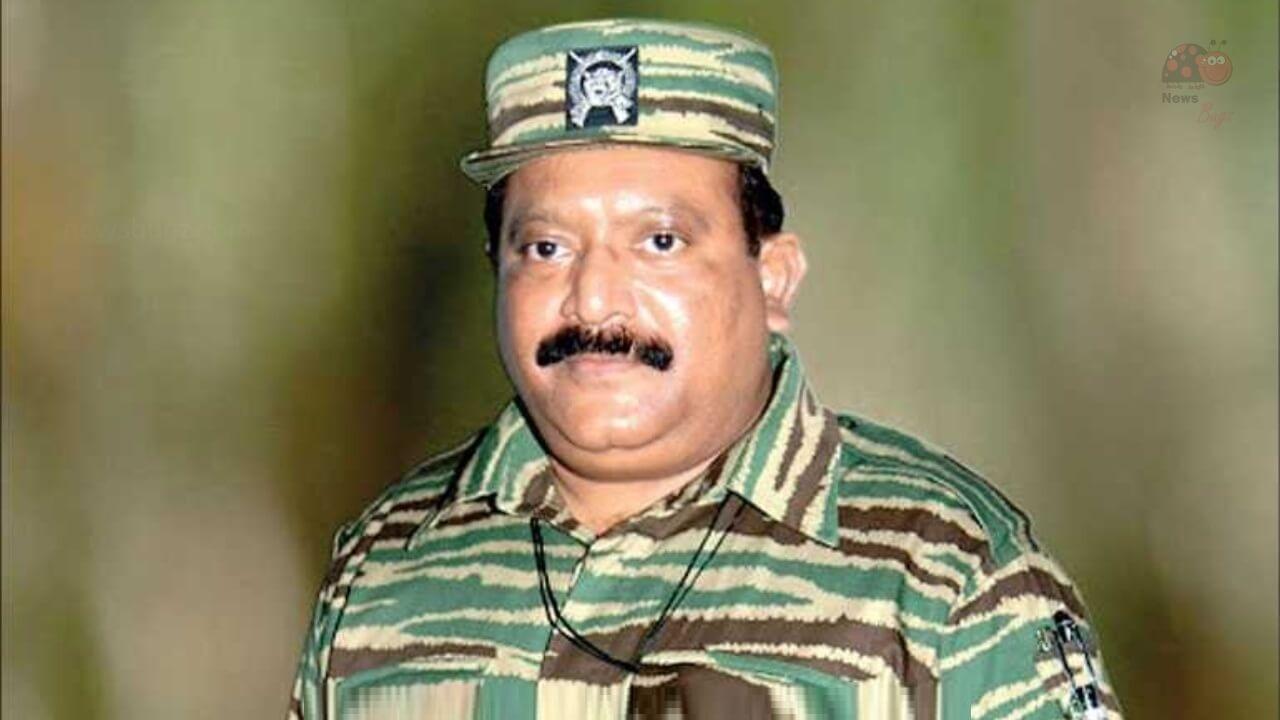




Images





Blog Entries
-
- 0 Comments
- 1104 Views
-
- 0 Comments
- 669 Views
-
- 0 Comments
- 980 Views
-
- 0 Comments
- 893 Views
-
- 0 Comments
- 283 Views


.jpg.88cdcf8a0aa64ee994f3c60766ab576d.jpg)
Upcoming Events
-
எல்லாளன் நடவடிக்கை கரும்புலி மறவர்களின் வீரவணக்க நாள்
தமிழீழ விடுதலைப் போராட்ட வரலாற்றில் என்றுமில்லாதவாறு திருப்புமுனையினை ஏற்படுத்தி தமிழீழ தேசியத்தலைவர் அவர்களால் எல்லாளனை சிங்களவர்களுக்கு காட்டிய நாள்.தமிழ் மக்களின்விடுதலைப் போராட்டம் தொடக்க காலத்தில கெரில்லா போராட்டமாக காணப்பட்டு அதன் வளர்ச்சிப்படிகளில் பல திருப்பு முனைகளை ஏற்படுத்தி மரபுவழி போராட்டமாக வளர்ச்சிகண்டு பின் ஒரு இனத்தின் விடுதலைக்காக போராடும் போராட்டமாக பல கட்டமைப்புக்களை தன்னகத்தே கொண்டு விடுதலைக்காக போராடிய காலகட்டத்தில் 2007 ஆம் ஆண்டு பத்தாம் மாதம் 22 ஆம் நாள் விடுதலைப்புலிகளின் பரிணாம வளர்ச்சியின் ஒரு படிக்கல்லான தாக்குதலாக சிங்களபடையின் குகை என்றும் வான்படை தரைப்படையினை கொண்ட அனுராதபுரம் வான்படைத்தளத்தில் தரைவழியாக நகர்ந்து சென்று தாக்குதல் தொடுத்து ஸ்ரீலங்கா வன்படையினரின் இருபதிற்கு மேற்பட்ட வான்கலன்களை அழித்து தளத்திற்கு பாரியசேத்தை ஏற்படுத்தி ஸ்ரீலங்காப்படைக்கு பின்னடைவினை ஏற்படுத்தி வீரவரலாறான 21 சிறப்பு கரும்புலி மறவர்களின் நினைவு நாளும் ஆகும். தமிழீழ தேசியத்தலைவர் நேரடி வழிகாட்டலில் உருவான கரும்புலிகள் அணி இறுதியாக தலைவர் அவர்களுடன் உணவருந்தி புகைப்படம் எடுத்துவிட்டு விடைபெற்று தரைவழியாக தமிழீழத்தின் எல்லைப்பகுதிகள் ஊடாக கரடு முரடான பதையினையும் பள்ளத்தாக்கினையும் கடந்துசென்று அனுராதபுரம் என்ற சிங்களவனின் குகைக்குள் சென்று அங்கு தரித்து நின்ற வான்கலங்கள் அனைத்திற்கும் தீ முட்டிய அந்த தீராத வீரர்களை நினைவிற் கொள்கின்றோம். தமிழீழ தேசியத்தலைவர் அவர்களால் பெயர்சூட்டி வைக்கப்பட்ட நடவடிக்கைதான் இந்த எல்லாளன் நடவடிக்கை. அனுராதபுர வான்படைத்தளத்தில் 21 சிறப்பு கரும்புலிகளின் நெஞ்சில் எரிந்த விடுதலைத் தீ அன்று அந்த விமானநிலையத்தினை சுட்டெரித்துக்கொண்டிருந்தது சிங்களப் படையின் உதவிக்கு வந்த உலங்கு வானூர்தியும் விடுதலைப்புலிகளால் சூட்டுவிழ்த்தப்பட்டது குறிப்பிடத்தக்கது.தமிழர் தேசம் தலைநிமிரச்செய்த இந்த காவிய நாயகர்களை என்றும் நெஞ்சில் சுடரேற்றி வணங்குவோம்.- 1 comment
-
லெப்.கேணல் நாதன் – கப்டன் கஜன் ஆகியோரின் வீரவணக்க நாள்
தாயக விடுதலைக்காக புலம்பெயர் நாடுகளில் பணிபுரிந்த லெப்.கேணல் நாதன் – கப்டன் கஜன் ஆகியோரின் வீரவணக்க நாள்
- 0 comments
-
- 0 comments
-
பண்டார வன்னியன் நினைவு தினம்
முழுப்பெயர் குலசேகரம் வைரமுத்து பண்டார வன்னியன். பெரிய மெய்யனார், கயலா வன்னியன் என்று இரண்டு சகோதரர்கள் அவனுக்கு இருந்தனர்.யாழ்ப்பாண வைபவ மாலைப் பதிவுகளின்படி சோழப் பேரரசின் காலத்தில் இலங்கையை ஆட்சிபுரிய அனுப்பப்பட்ட வட தமிழகத்து வன்னியகுல தளபதியர்களின் வழி வந்தவன். வன்னியர் என்பதற்கு வலிமையுடையோர் எனப் பொருள் கொள்ளலாம். 1621-ம் ஆண்டு போர்த்துக்கீசியர்கள் யாழ்ப்பாணத்தைக் கைப்பற்றிய போதும்கூட வன்னிப் பகுதிக்குள் கால்பதிக்க முடியவில்லை. கடைசிவரை வன்னிக்குள் காலூன்ற முடியாமலேயே இலங்கையில் போர்த்துக்கீசிய அதிகாரம் முடிவுக்கு வந்தது. உண்மையில் வன்னி வணங்கா மண்தான், வன்னியர்கள் வீர மறவர்கள்தான்.
வன்னிக்குள் முதலில் வெற்றிகரமாக நுழைந்தவர்கள் டச்சுக்காரர்கள் என நாம் குறிப்பிடும் ஒல்லாந்தர்கள். 1782-ல் வன்னியை கைப்பற்ற அவர்கள் நடத்திய போர் பற்றி எழுதும் லூயி என்ற வரலாற்று ஆசிரியர் பின்வருமாறு குறிப்பிட்டுள்ளார். “ஒல்லாந்தர்கள் எத்தனையோ நாடுகளில் போர் நடத்தியிருக்கிறார்கள். ஆனால் இப்படி வீரத்துடன் போரிட்டவர்களை உலகில் எங்கும் அவர்கள் காணவில்லை” என்று. ஒல்லாந்தர் காலத்திலும் பின்னர் ஆங்கிலேயர் ஆட்சியை எதிர்த்தும் மன்னார், திரிகோணமலை வன்னிக்காடுகள் என வன்னியர்கள் இடைவிடா கொரில்லா போர் நடத்தி வந்தனர். அவர்களில் ஒளிவிடும் மாணிக்கமாய் வந்த மாவீரன்தான் பண்டார வன்னியன்.
முல்லைத்தீவில் நின்று பண்டார வன்னியனின் வரலாற்றுத் தோளுரசியதில் மேலும் ஓர் முக்கிய செய்தியுண்டு. ஆங்கிலேய மேலாதிக்கத்திற்கெதிராய் பண்டார வன்னியன் நடத்திய கலகத்தின் உச்சம் எதுவென்றால் ஆங்கில வெள்ளையர்களின் முல்லைத்தீவு கோட்டையை அவன் முற்றாகத் தாக்கியழித்து நிர்மூலம் செய்ததுதான் அது. அதே முல்லைத்தீவில் முப்பதாண்டு கால போராட்டம் சாதித்த தமிழருக்கான ராணுவ வளங்கள் யாவும் தகர்ந்துபோய்க் கிடந்த ஓர் தருணத்தில் பண்டார வன்னியனின் வீரத்தை சமகாலத் தோழமைக்கு குறியீடாய் நிறுத்த நிச்சயம் காரணம் இல்லாமல் இருந்திருக்காது.
பண்டாரவன்னியன் முல்லைத்தீவிலிருந்து வற்றாப்பளை அம்மன் கோயில் வரையிலுள்ள 2000 சதுரமைல் நிலபரப்பை ஆட்சி செய்து வந்தான். அமைச்சராக தனது தம்பி கயிலாய வன்னியனையும், தளபதியாக கடைசி சகோதரன் பெரிய மைனரையும் கொண்ட குழுவையும் அமைத்து அரசமைப்பை பேணி வந்தான்.அவனது ஒரே சகோதரி பெயர் நல்ல நாச்சாள். அவளுக்கு கலைகள் கற்பிக்கும் அவை புலவன் மீது காதல் கொண்டான். அதே நேரத்தில் வன்னிநிலத்தில் ஆண்டு வந்த இன்னொரு குறுநில மன்னாக காக்கை வன்னியன் அவளை மணம் புரிய ஆசைப்பட்டான். அதற்காக பலமுறை பண்டார வன்னியனிடம் ஓலை அனுப்பிய போதும் அவன் அதற்கு சம்மதிக்கவில்லை.
ஒரு முறை நந்தவனத்ததில் நாச்சியாள் புலவரிடம் காதல் கொண்டிருக்க கண்ட காக்கை வன்னியன் புலவரிடம் சண்டைக்கு போக புலவர் வாள் சண்டையிட்டு நையப்புடைத்து அனூப்புகிறான். இந்த சம்பவத்தால் புலவன் அரச பரம்பரையில் வந்தவனென்பதை அறிந்து கொள்கிறான். இதனால் அவர்களின் காதலுக்கு பச்சை கொடி காட்டுகிறான்.
இது ஒரு புறமிருக்க.. வன்னிநிலப்பரப்பில் பண்டாரவன்னியன் திறை செலுத்தமறுத்த காரணத்தினால் படையெடுத்து வந்து வெற்றி காண முடியாமால் வெள்ளையர்கள் புறமுதுகாட்டி பின் வாங்கினர். தனிப்பட்ட காரணத்தினால் பண்டரவன்னியன் மேல் ஆத்திரம் கொண்ட காக்கைவன்னியன் வெள்ளை தேசாதிபதியுடன் கூட்டு சேர்கிறான். பல முறை படையெடுத்து வெள்ளையர் தோல்வி அடைகின்றனர். அத்தருணத்தில் காக்கை வன்னியன் பண்டரா வன்னியனை தந்திரமாகத்தான் வெல்லலாமென்று ஆலோசனை கூறுகிறான். அந்த திட்டத்தின் ஒரு அங்கமாக தான் தவறை திருந்தி விட்டதாக நாடகமாடி பண்டராவன்னியனிடம் வருகிறான். தம்பிமார்களான மந்திரியும் தளபதியும் காக்கைவன்னியனை சேர்க்கவேண்டாமென்ற ஆலோசனையையும்மீறி மறப்போம் மன்னிப்போம் என்ற அடிப்படையில் அவனை சேர்த்துக்கொள்கிறான். ஆனால் தருணங்களை காத்திருந்து தருணங்கள் வர நம்பவைத்து தனிய கூட்டிவந்து ஒட்டு சுட்டான் என்னுமிடத்தில் வைத்து வெள்ளையரின் படைகளிடம் தந்திரமாக அகப்படவைக்கிறான் இந்த காக்கை வனனியன்.
இன்றும் நம்பி ஏமாற்றுவர்களை நீ காக்கை வன்னியன் பரம்பரையோ என்று ஈழத்தில் கேட்கும் வழக்கு உள்ளது..
இந்த கூத்தில் ஓரிரு சம்பவங்களை பார்க்கலாம்…
தம்பி பெரியமைனர் – “அண்ணா நமது வன்னி நாட்டைக்கைப்பற்று நோக்கம் அந்த வெள்ளைக்கார கும்பலுக்கு இருப்பதாக தெரியவில்லை. ஆனால் நமது சகோதரர்களாகிய சிங்களவர் வாழும் கண்டிப் பிரதேசத்தை கைப்பற்ற பெரும்படைகளை அநுப்பியிருக்கிறார்கள். இந்தச்சந்தர்ப்பத்தில் சிங்களமக்களுக்கு துணையாகவும் ஆங்கிலேயருக்கு எதிராகவும் வீறு கொண்டு சீறியெழும் எங்கள் படைகளை அனுப்பிவைத்தால் நன்மையாக இருக்கும்.”
பண்டரா வன்னியன்: “ஆகா நல்லது தம்பி கைலாயா உமது யோசனை என் தம்பி கைலாய வன்னியன்.”
“அண்ணா கண்டிக்கு நமது படைகளை அநுப்புவதால் இரண்டு நன்மைகள் உண்டு. ஒன்று சிங்களமக்களை காப்பற்ற உதவி புரிந்ததாக இருக்கும். அடுத்தது இந்த சந்தர்பத்தில் நமது படை பலத்தை வெள்ளையருக்கு காட்டகூடியதாயிருக்கும். சுணங்கமால் நமது படைகளை கண்டிக்கு அனுப்புதல் நலம்.”
பண்டாரவன்னியன்: “தம்பி பெரியமைனர் நமது நாட்டில் விளைகின்ற ஏலம் கறுவா கராம்பு முதலிய திரவியங்களை கொள்ளையடித்து வயிறு வளர்க்கும் வெள்ளைக்கார கும்பலுக்கு இடம்கொடுக்கலாகாது. எமது உடன் பிறப்பாகிய சிங்களமக்களையும் கண்டி நாட்டையும் காப்பற்றியாக வேண்டும். எனவே தயங்காது நமது படைகளைக் கண்டிக்கு ஆயுத்தம் செய்வாயாக…”
கட்டப்பொம்மன் பாணியில் தேசாதிபதியுடனானn சந்திப்பிலிருந்து ஒரு பகுதி
தேசாதிபதி: வன்னியர் வேந்தே நாங்கள் பரஸ்பர அன்பு கொண்டாடி தங்களுடன் சிநேகதர்களாக நடக்க ஆசைப்படுகிறோம்.
பண்டாரவன்னியன்: அதற்க்கு எந்தவித தடையுமில்லை
தேசாதிபதி: நாங்கள் காக்கை வன்னியனிடமிருந்து கரிகட்டுமூலையையும் முல்லைத்தீவையும் பெற்றுக்கொண்டோம். பண்டராவன்னியன்:அதனால் என்ன காக்கைவன்னியன் கொடை வள்ளல். தருமபூபதி பாரிக்கும் அடுத்தவன், இல்லாதருக்கு உள்ளதை கொடுத்தான். இதில் என்ன அதிசயம்
தேசாதிபதி:அதிசியம் இல்லாமலில்லை யாழ்ப்பாண நாடும் வன்னிபிரதேசத்தில் ஒருபகுதியும் எமது ஆங்கில ஆட்சிக்குட்பட்டது என்பது கருத்து. நீங்கள் மாத்திரம் தனித்து வாழ்வதில் அர்த்தமில்லை.பண்டராவன்னியன்:அப்படியானால் அந்த அர்த்தத்துக்கு பயன் சொல்லிகொடுக்கவா அழைத்தீர்கள். தேசாதிபதி:அப்பிடியில்லை பணிந்து வாழ்ந்தால் பலனுண்டு பண்டராவன்னியன்:பணிந்து வாழ்தல் எங்கள் பரம்பரையிலையே கிடையாது..
தோசாதிபதி:ஆணவமாக பேசினால் ஆபத்து நேரிடும். பண்டரா வன்னியன்: ஆபத்து உங்களைத்தான் நாடி வருகின்றது என்னையில்லை
தேசாதிபதி:வாயை அடக்கி பேசு பண்..வன்னியன்:ஆண்டவனுக்கு அஞ்சாத பண்டரானா ஆங்கிலனுக்கு அடங்க போகிறான் தே–பதி:வாயை பெரும் அழிவை தேடப் போகிறீர் பண்-வன்னி: அதற்க்காக நீங்கள் ஏன் முதலை கண்ணீர் வடிக்கிறீர் தேசாதிபதி:ஆங்கிலையரை பகைத்தால் பண்டரா:அழிவென்று சொல்லுகிறீர்கள் அதற்க்கு அஞ்சுபவனல்ல நான் தேசா:பாம்புடன் விளையாடுகிறீர் பண்டரா பாம்புக்கும் பருந்தாயிருப்பேனன்றி விருந்தாயிருக்கமாட்டன்.
மாவீரன் பண்டாரவன்னியனின் நினைவு நாள் இன்றாகும். ஒல்லாந்தா் ஆட்சிக்காலத்தின் பிற்பகுதியிலும் ஆங்கிலேயா் ஆட்சிகாலத்தின் முற்பகுதியிலும். வன்னிராச்சியத்தை ஆண்ட மன்னன் குலசேகரம் வைரமுத்து பண்டாரவன்னியன்.வெள்ளையரிற்கு அடிபயணியாது வன்னிராச்சியத்தை ஆண்டு வந்ததான்.முல்லைத்தீவு கோட்டையில் வெள்ளையா்களிடம் இருந்து மீட்டு பிரங்கிகளை கைப்பற்றிய முதல் மன்னன் கற்பூரபுல் வெளியில் ஒரே வாழ்வீச்சில் 60 பேரை கொன்ற வரலாற்று நாயகன்தான் பண்டாரவன்னியன்.
- 0 comments

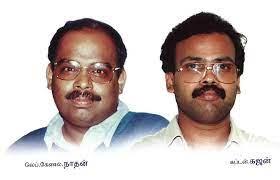

.jpg.1fbfc677602e380b5c9856429309746c.jpg.a8ae851b2433b014fc58281b12dc17a2.jpg.8fd707fac9b391f3eb7a91a9ada8ac1d.jpg)
Member Statistics
- 10555 Total Members
- 4735 Most Online
-
kamatchi Newest Member ·

Forum Statistics
- Total Topics 282.3k
- Total Posts 1.7m